English
 Español

Search Here
Services List
Feel Free to Contact Us
WhatsApp:+86 18921753771
Screw Chiller Manufacturers



About Soouney.
Read More
A Technological Benchmark In The Industrial Refrigeration Sector
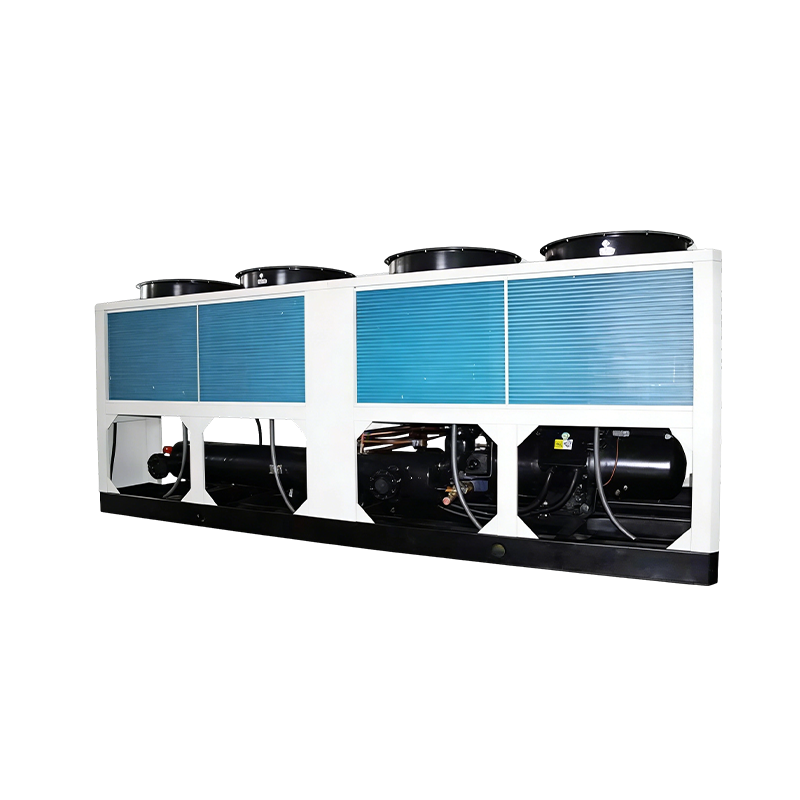
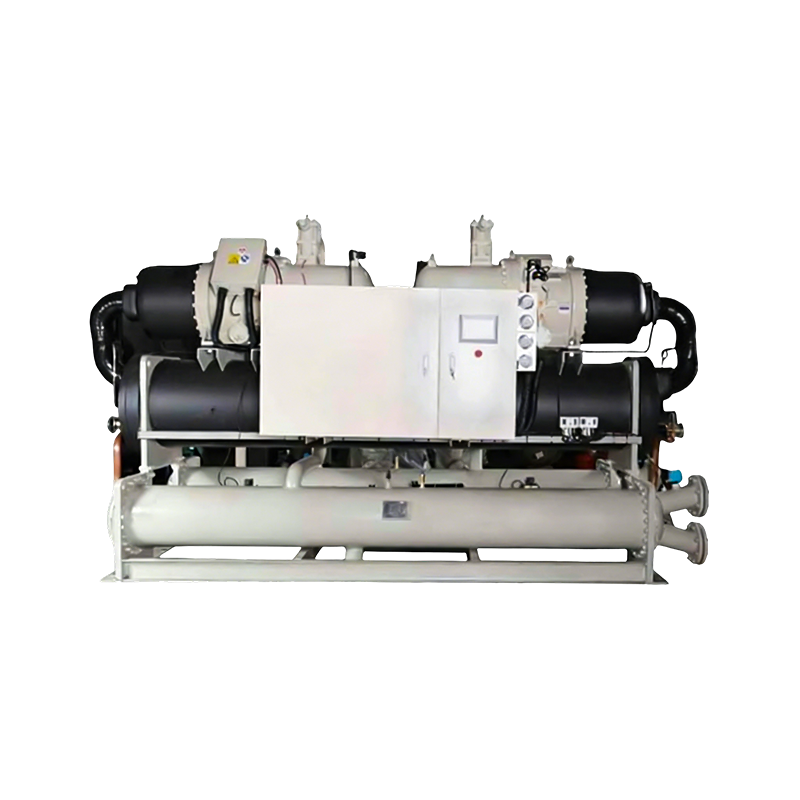
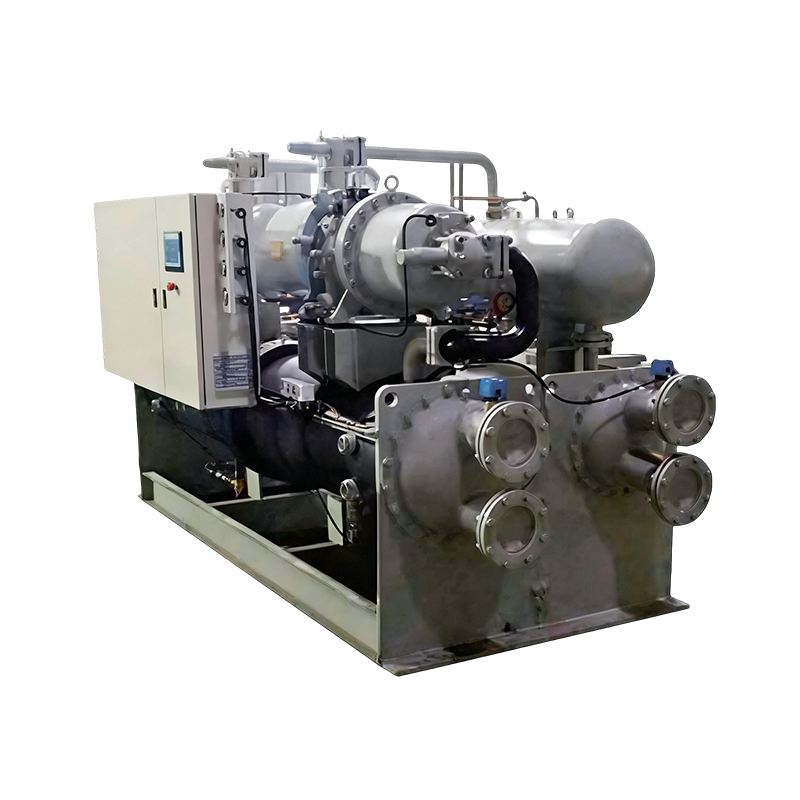
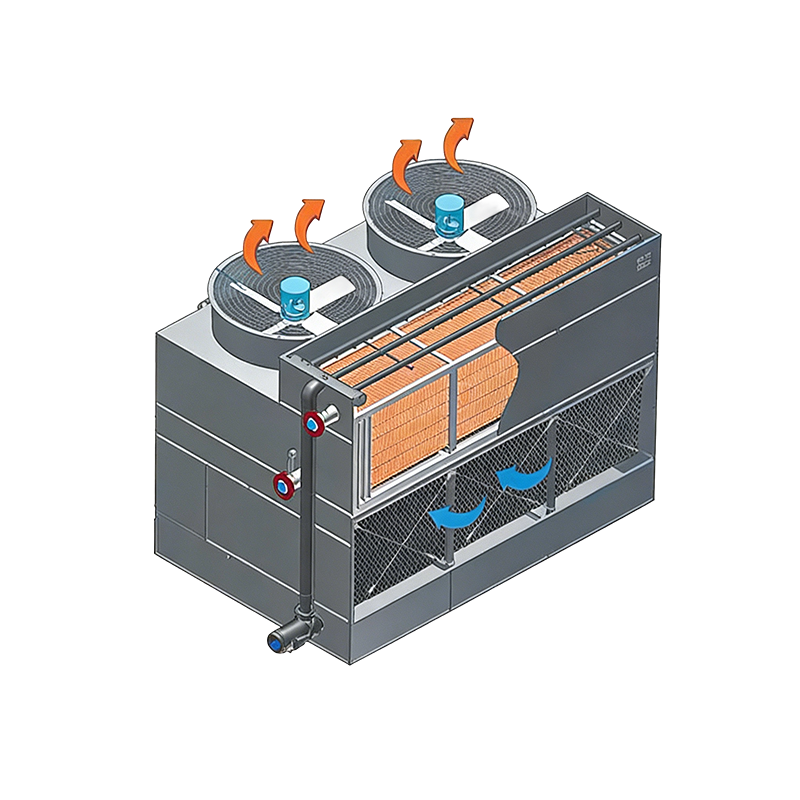
Shanghai Soouney Refrigeration Equipment Co., Ltd. is a large-to-medium-sized high-tech enterprise within Shanghai's refrigeration sector, integrating research, development, production and sales. We China Screw Chiller Manufacturers and Custom Screw Chiller Factory. Upholding the quality principles of 'integrity, quality, service and innovation', the company pursues a development philosophy centred on humanisation and technological advancement, driving product R&D and manufacturing with high starting points and stringent standards. It has now grown into a renowned brand in the domestic and international markets for cabinet air conditioners and industrial chillers, earning high recognition from industry professionals and a broad customer base. Rooted in the Chinese market, it provides reliable refrigeration solutions to clients worldwide. We focus on international trade and B2B business, providing tailored solutions to global clients. We ensure the smooth, stable, and long-term operation of your projects with a comprehensive research and development, production, sales, and after-sales service system. We have nearly 20 years of experience in providing one-stop solutions for overseas projects.
-
 0
0Site Area
-
 0
0Established
-
 0+
0+Employees
Pay Attention To Our Latest News And Exhibitions
View All News
What'S News?
-
Industry NewsLearn More
-
Industry NewsLearn More
-
Industry NewsLearn More
-
Industry NewsLearn More
-
Industry NewsLearn More
Screw Chiller Industry knowledge
Screw Compressor Mechanics and Why They Suit High-Capacity Cooling
A screw chiller derives its name from the twin helical rotors — male and female — that mesh inside the compressor housing to progressively compress refrigerant vapour. Unlike reciprocating compressors, which rely on pistons and valves operating in discrete strokes, screw compressors deliver continuous, near-pulsation-free compression. This rotary action produces significantly lower vibration levels, reduces mechanical stress on pipework connections, and allows the compressor to run at higher speeds without the valve failures that limit reciprocating designs at elevated cycle rates.
The capacity range where screw compressors genuinely excel begins at approximately 100 kW and extends past 1,500 kW in a single compressor body. Below this range, scroll compressors are typically more cost-effective; above it, centrifugal compressors become competitive on efficiency at full load. Screw compressors hold a decisive advantage in part-load efficiency over centrifugal designs, making them the preferred choice for industrial processes with variable thermal profiles — injection moulding, chemical reactors, food processing lines, and large-scale HVAC plants. At Shanghai Soouney Refrigeration Equipment Co., Ltd., screw chiller configurations are matched to load profiles provided by the client rather than defaulting to nominal capacity, ensuring the selected unit spends the majority of its operating hours in its highest-efficiency band.
Slide Valve Modulation and Variable Speed Drive Integration
Capacity modulation in a screw chiller is achieved primarily through the slide valve — a longitudinal bypass port machined into the compressor housing that progressively unloads the compression chamber as it opens. Standard slide valve systems allow stepless modulation from 25 % to 100 % of rated capacity, with some designs reaching 15 % minimum load. This continuous modulation prevents the short-cycling that accelerates compressor wear in staged systems and maintains stable chilled water supply temperatures even as process loads fluctuate.
Pairing a slide valve screw compressor with a variable speed drive (VSD) on the motor takes part-load efficiency further. At 50 % load, a VSD-equipped screw chiller typically achieves a COP 20–35 % higher than a fixed-speed unit with slide valve alone, because motor input power drops with the square of speed reduction. The economic case for VSD investment is strongest where cooling loads vary significantly across shifts or seasons — common in manufacturing facilities that run continuous processes during the day and reduced loads overnight.
Oil management deserves attention in screw compressor systems. The meshing rotors require a continuous oil film for lubrication and sealing; oil separation efficiency and oil return circuit design directly affect both refrigerant circuit performance and compressor longevity. Quality units incorporate high-efficiency coalescing oil separators and thermostatic oil cooling circuits that maintain oil viscosity within the compressor's specified range regardless of ambient temperature fluctuations.
Air-Cooled vs. Water-Cooled Screw Chiller: Selection Criteria
| Criteria | Air-Cooled Screw Chiller | Water-Cooled Screw Chiller |
|---|---|---|
| Condensing Medium | Ambient air via finned coil | Cooling tower water circuit |
| Full-Load COP | 2.5 – 3.5 (typical) | 4.0 – 6.0 (typical) |
| Infrastructure Required | Power supply only | Cooling tower, condenser water pump, water treatment |
| Best Fit | Sites without water infrastructure; rooftop installations | Large facilities with existing cooling tower; high operating hours |
| Performance in High Ambient | Capacity de-rates above 35 °C dry-bulb | Relatively stable — governed by wet-bulb temperature |
For projects in tropical or high-ambient climates, the water-cooled configuration's wet-bulb dependency is a significant advantage — wet-bulb temperatures are consistently 5–10 °C below dry-bulb in humid regions, allowing the condenser to operate at lower pressures year-round. Soouney's project engineering team evaluates local climate data and site infrastructure during the quotation stage to recommend the configuration that minimises total cost of ownership rather than simply first cost.
Commissioning Priorities and Predictive Maintenance for Screw Chiller Systems
Correct commissioning establishes the performance baseline against which all future condition monitoring is measured. Key parameters to record at first start-up include: suction and discharge pressures at defined load points, evaporator approach temperature (difference between leaving chilled water temperature and evaporating refrigerant temperature), condenser approach temperature, compressor oil pressure differential, and motor current draw at full and partial load. Deviations of more than 2–3 °C in approach temperatures during routine checks are reliable early indicators of fouling or refrigerant charge loss — addressable at low cost if caught early, but expensive if left to accumulate.
Oil analysis at 2,000–4,000 hour intervals provides early warning of compressor internal wear through metal particle counts and viscosity measurements — far more informative than calendar-based oil changes alone. For a screw chiller operating in a critical process environment, integrating the chiller's controller data feed into the plant's monitoring system enables trend-based maintenance scheduling, which typically extends compressor overhaul intervals and reduces unplanned downtime by a measurable margin over the equipment's 20-year service life.
Quick Links
Product Categories
Contact Us
-
 Email: [email protected]
-
 Whatsapp: +86 18921753771
-
 Mobile Phone : +86-18921753771
Mobile Phone :+86-13022163998 -
 Telephone: +86-021-58223918
-
 No. 128 Hui'an Road, Fengxian District, Shanghai, China