
 English
 Español
Content
Stable process temperature is not optional in plastic molding, laser processing, pharmaceutical production, or chemical manufacturing — it decides product quality and equipment life. A water cooled box chiller delivers that stability by circulating chilled water through a compact, efficient refrigeration system, but picking the right unit takes more than matching a tonnage number.
Guide 01What is a water cooled box chiller?
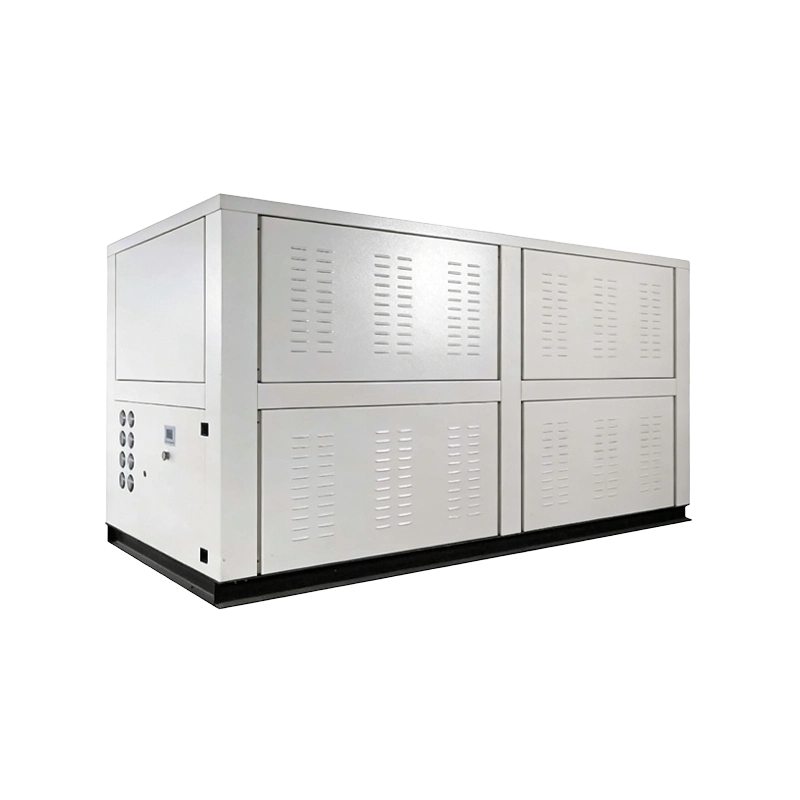
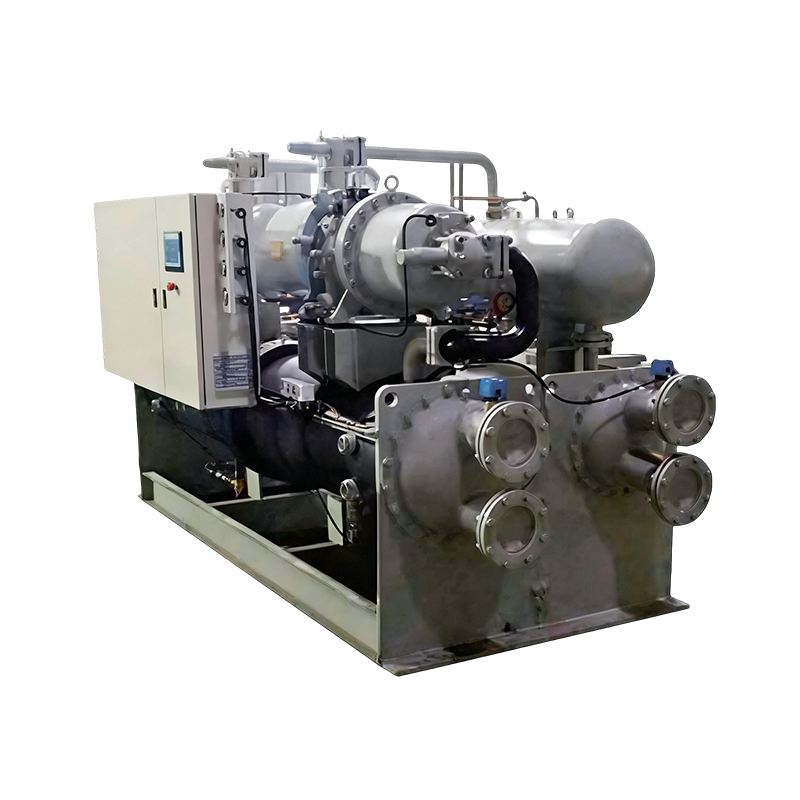
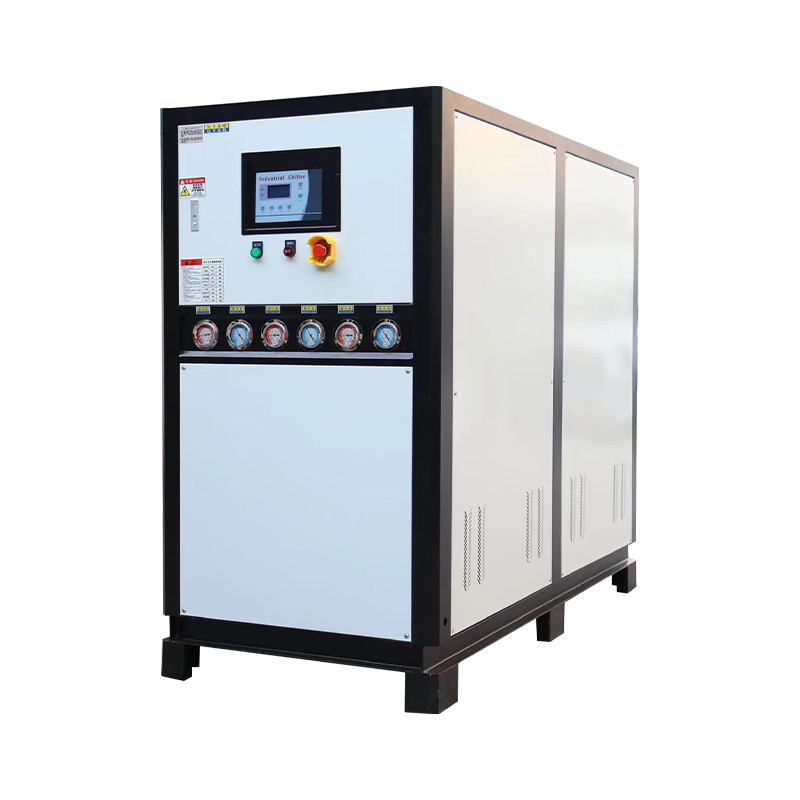
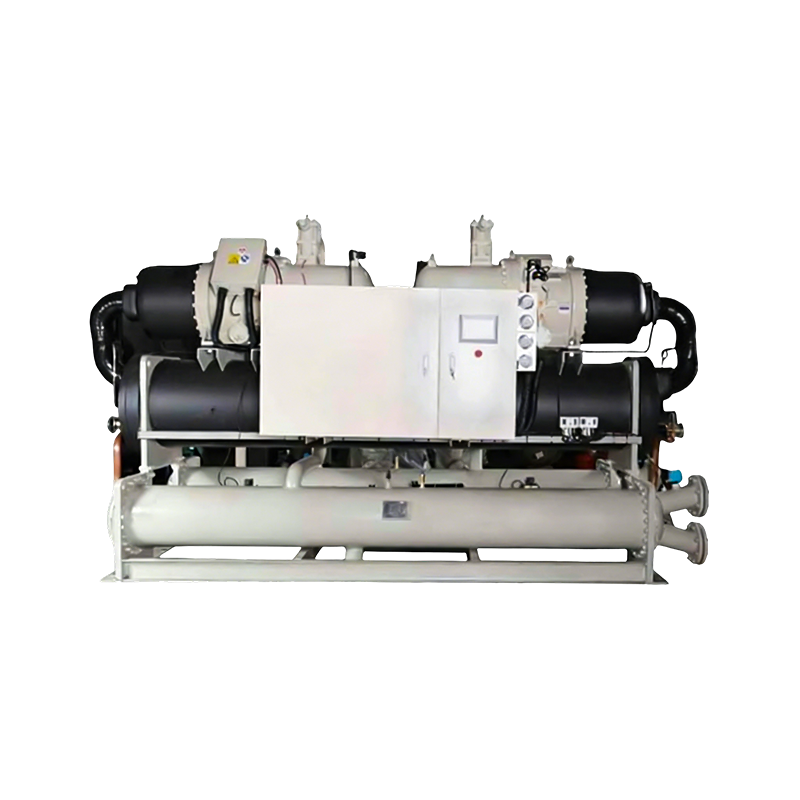
A water cooled box chiller is a compact industrial refrigeration system that removes heat from a production process by circulating chilled water rather than dissipating heat through outside air. A typical unit combines a compressor, evaporator, condenser, expansion valve, circulation pump, and control system to hold a consistent process temperature across long production runs.
Guide 02Key factors to evaluate before buying
Cooling capacity
Sized to actual equipment heat load, production cycle, and any planned expansion — not just current output.
Process temperature range
Confirm required outlet water temperature and stability under continuous operation for your specific process.
Compressor type
Scroll for small-to-medium loads, screw for large continuous demand, variable-speed for flexible, energy-efficient operation.
Heat exchanger design
Shell-and-tube for reliability and easy maintenance, or plate exchangers for a compact, high-efficiency footprint.
Control system
PLC control, automatic temperature adjustment, fault alarms, and remote monitoring simplify daily operation.
An undersized or oversized water cooled box chiller either fails to hold temperature under load or wastes energy running below capacity — correct sizing is worth more than any single feature on the spec sheet.
Water cooled box chiller vs air cooled chiller
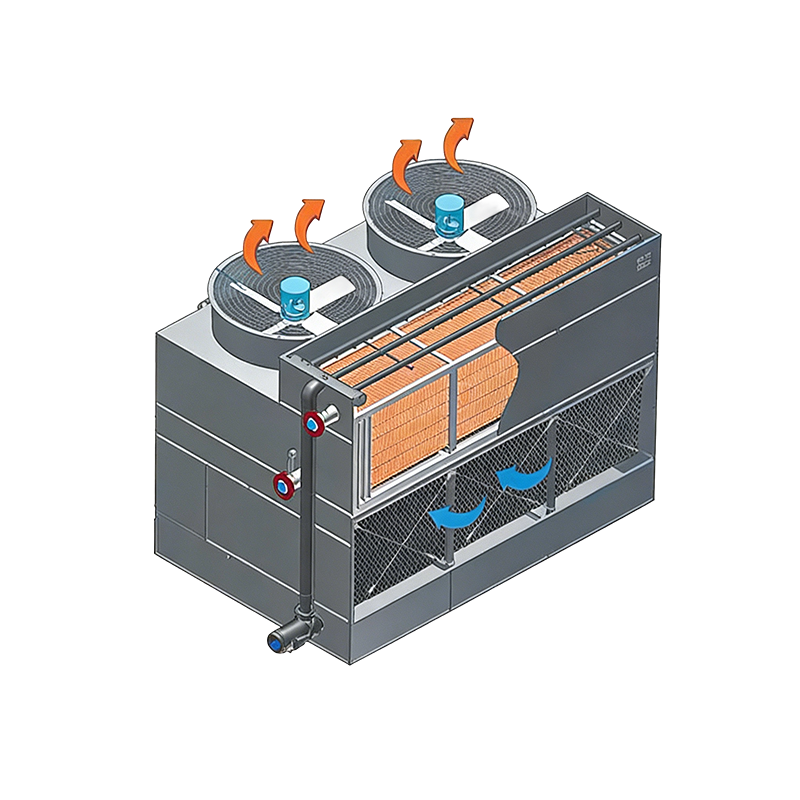
Higher efficiency under continuous industrial load, lower operating noise, requires a cooling water system.
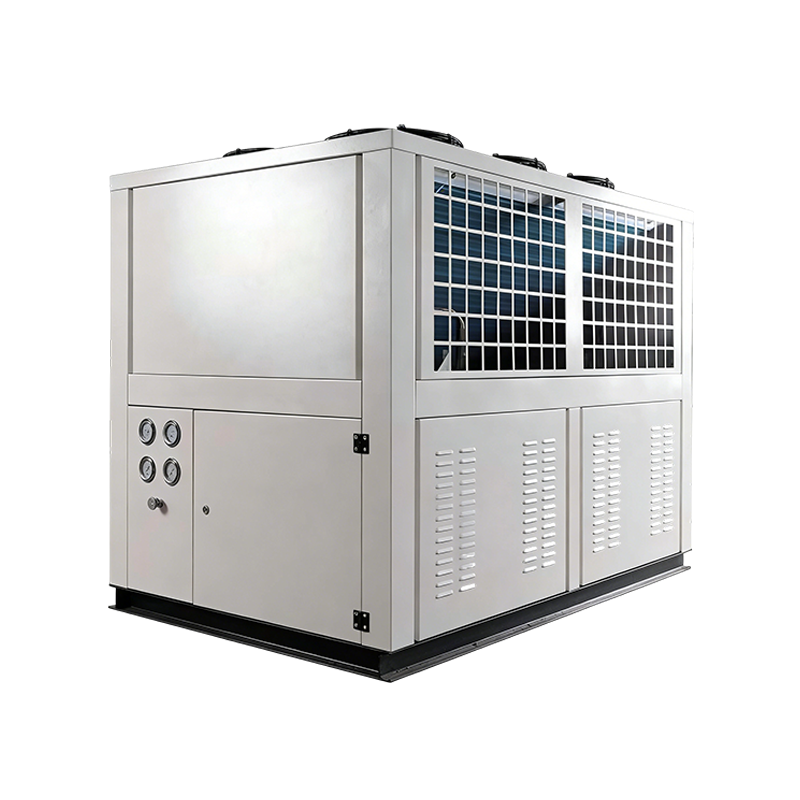
Simpler installation, performance influenced by ambient temperature, generally louder fan operation.
| Feature | Water Cooled Box Chiller | Air Cooled Chiller |
| Heat dissipation | Water-based | Air-based |
| Efficiency under load | Higher, continuous | Sensitive to ambient temp |
| Installation | Needs water system | Simpler setup |
| Best fit | Medium and large facilities | Small to medium installs |
Common industrial applications
Plastic injection molding lines use water cooled box chillers to cool molds faster and shorten cycle times. Laser equipment relies on them to hold the tight temperature tolerances precision optics require. Pharmaceutical and food processing facilities use them for stable production-line and lab cooling, while chemical plants depend on them for reactor and continuous-process temperature control.
Guide 05How to choose a reliable manufacturer
- Engineering expertise to recommend a cooling solution matched to your process
- Customization for cooling capacity, voltage, and control configuration
- Documented quality control, including performance and leak testing
- Installation, commissioning, and after-sales technical support
FAQ
What is a water cooled box chiller?
An industrial refrigeration system that removes process heat using circulating chilled water and a water-cooled condenser.
What industries use water cooled box chillers?
Plastic processing, laser equipment, pharmaceuticals, food processing, chemical manufacturing, and electronics.
How do I determine the correct cooling capacity?
Calculate it from equipment heat load, production process, required temperature, and operating conditions, ideally with an experienced manufacturer.
What should I look for in a chiller supplier?
Strong engineering capability, customization options, thorough quality testing, and reliable technical and after-sales support.