English
 Español
0
Site Area


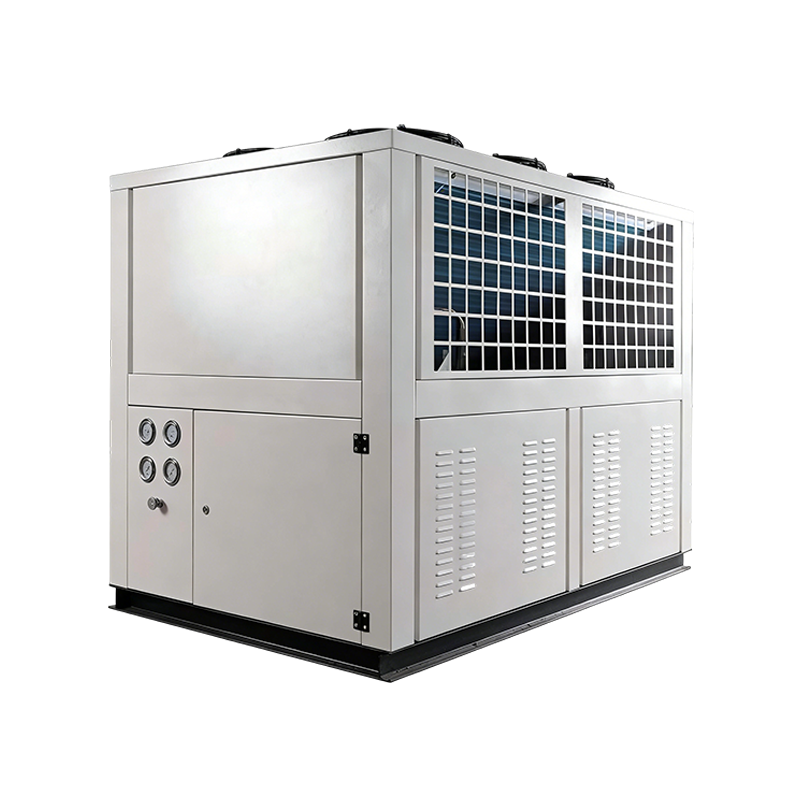
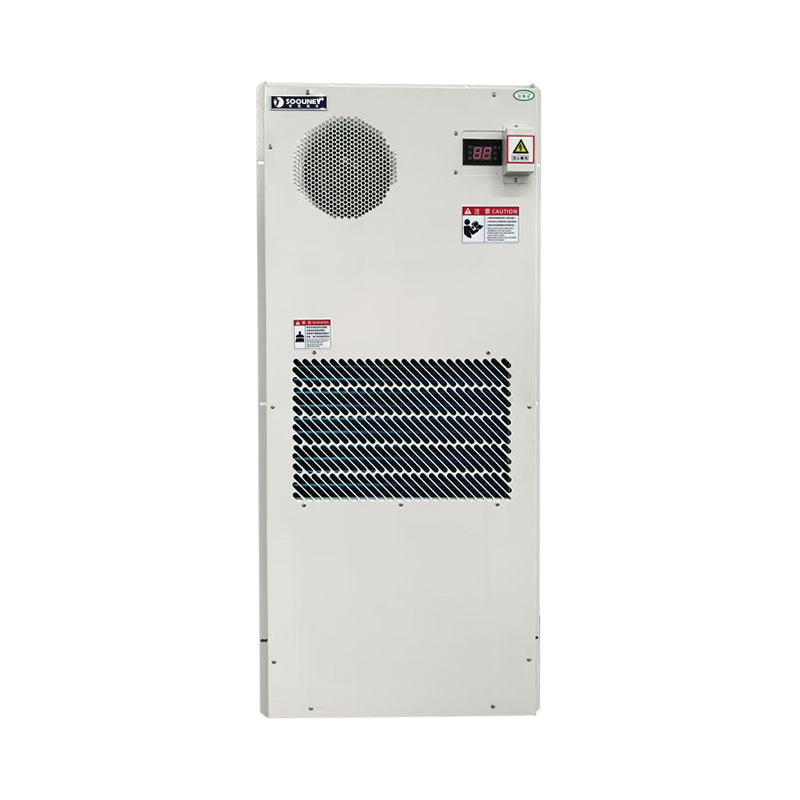
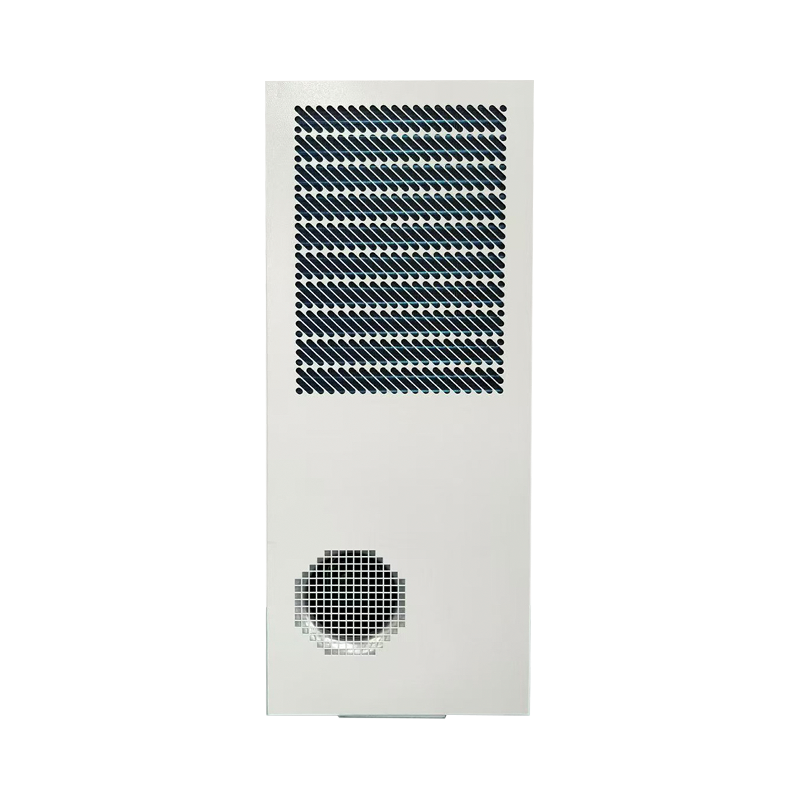
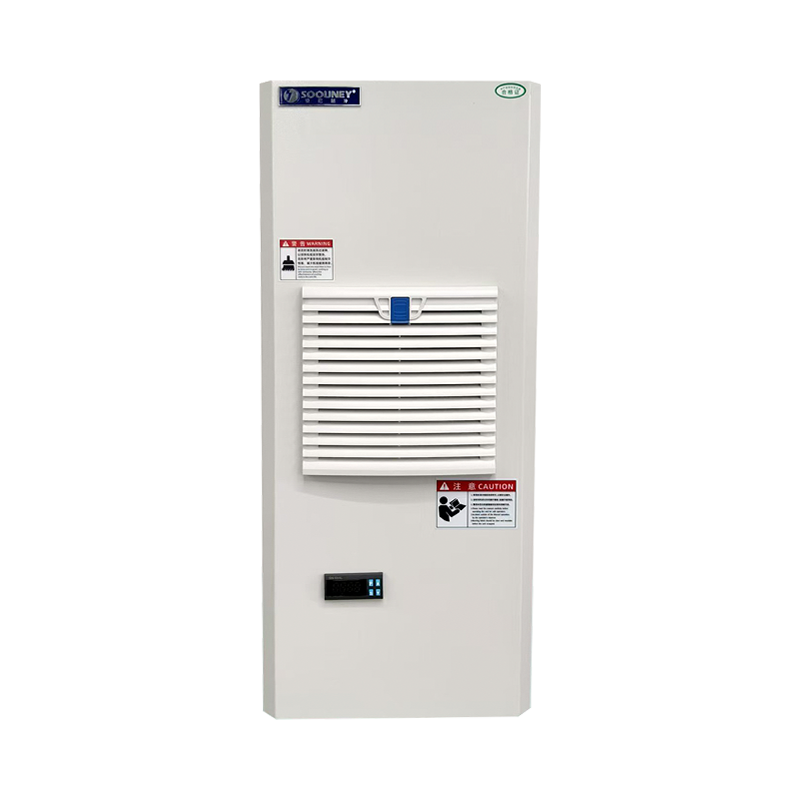
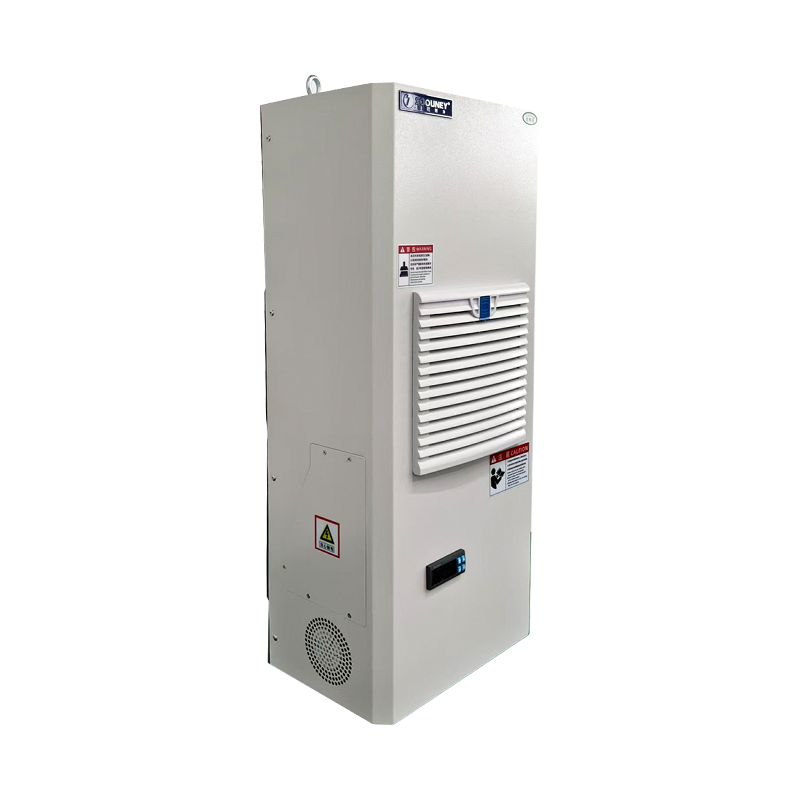
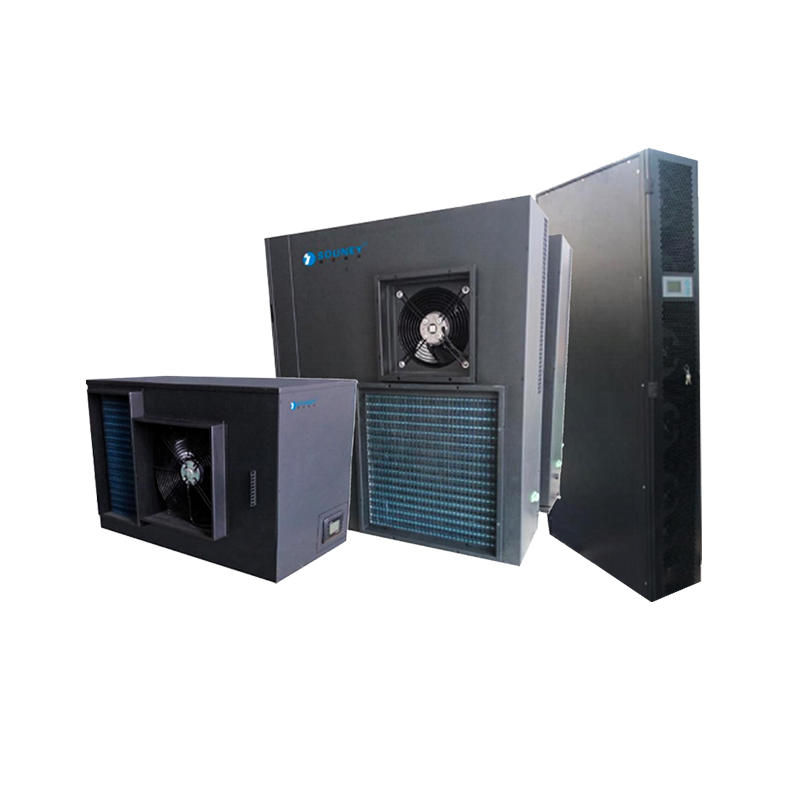
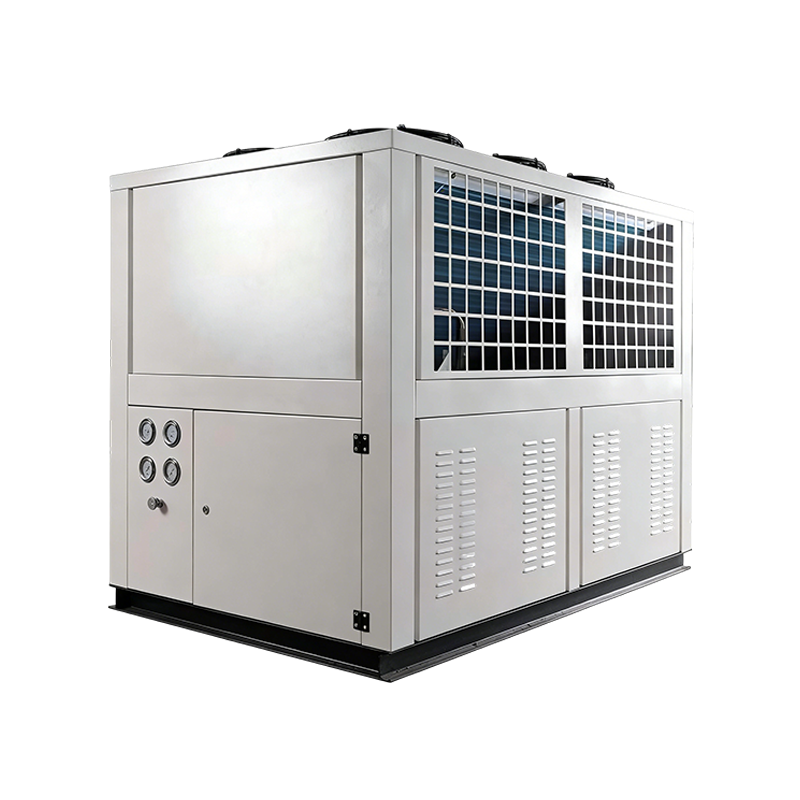
Air Cooled Box Chiller
Product options
·Salt water evaporator
·Special power supply
·Remote communication connect
Products features
·Scroll Hermetic compressor: International brand with free maintenance.
·Electrical elements and refrigeration components are used from world-renowned brand.
·Industrial and durable design, with Stainless steel water tank and High-lift pumps.
·Perfect breakdown protection: high and low pressure protection.air discharge protection, oil level protection, water flow protection, reverse and lack phase protection, chilled water anti-freezing
Environmentally friendly refrigerants such as R407C, R134A, or R404A may be selected.
Due to technical improvements, external dimensions are subject to change. Dimensions provided are for reference only. Please request installation dimension drawings at any time.


Derived from authentic European technology.
Ensuring the core technological prowess of our products.
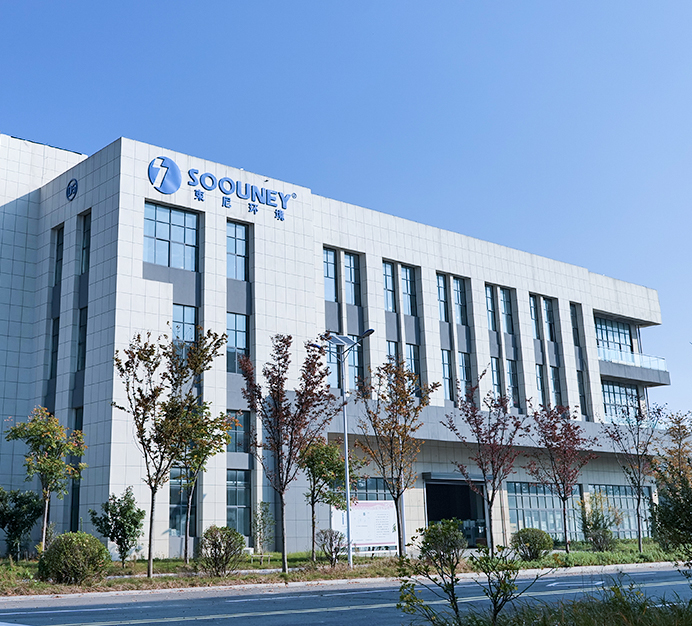


Shanghai Soouney Refrigeration Equipment Co., Ltd. is a large-to-medium-sized high-tech enterprise within Shanghai's refrigeration sector, integrating research, development, production and sales. We are China Ambient Temperature Cryogenic Air Cooled Box Chiller Suppliers and Wholesale Ambient Temperature Cryogenic Air Cooled Box Chiller Company. Upholding the quality principles of 'integrity, quality, service and innovation', the company pursues a development philosophy centred on humanisation and technological advancement, driving product R&D and manufacturing with high starting points and stringent standards. It has now grown into a renowned brand in the domestic and international markets for cabinet air conditioners and industrial chillers, earning high recognition from industry professionals and a broad customer base. Rooted in the Chinese market, it provides reliable refrigeration solutions to clients worldwide. We focus on international trade and B2B business, providing tailored solutions to global clients. We ensure the smooth, stable, and long-term operation of your projects with a comprehensive research and development, production, sales, and after-sales service system. We have nearly 20 years of experience in providing one-stop solutions for overseas projects.

Site Area

Established

Employees
As industrial processes continue to demand tighter temperature control, higher efficiency, and more compact system integration, refrigeration technology has evolved significantly. Among these developments, the cryogenic air cooled box chiller represents a more advanced direction in low-temperature and precision cooling solutions.
Unlike conventional industrial chillers or standard air cooled chiller systems, cryogenic-based designs integrate deeper cooling capabilities, enhanced heat exchange structures, and more refined thermal control strategies. These improvements allow them to support highly sensitive applications where stable ultra-low temperatures and rapid thermal response are essential.
To understand their value, it is necessary to compare them directly with traditional industrial cooling systems across multiple technical dimensions.
Traditional industrial cooling systems typically rely on vapor-compression refrigeration cycles using standard refrigerants to remove heat from process fluids. Their temperature control range is suitable for general manufacturing, HVAC systems, and moderate precision applications.
In contrast, a cryogenic air cooled box chiller integrates enhanced refrigeration architecture designed to achieve lower temperature thresholds and more stable sub-zero operation. It emphasizes controlled heat rejection, improved compressor efficiency, and optimized air-cooled condenser structures.
| Aspect | Cryogenic Air Cooled Box Chiller | Traditional Industrial Chiller |
|---|---|---|
| Cooling Range | Ultra-low / deep cooling range | Medium to low cooling range |
| Heat Exchange Efficiency | High-efficiency multi-stage exchange | Standard single-stage exchange |
| Temperature Stability | Very high precision control | Moderate control accuracy |
| Response Speed | Fast thermal adjustment | Relatively slower response |
This difference makes cryogenic systems more suitable for advanced process cooling, precision instrumentation, and temperature-sensitive manufacturing environments.
One of the most visible distinctions lies in system architecture.
A traditional industrial cooling system generally consists of a compressor, condenser, expansion valve, and evaporator arranged in a standard configuration. While effective, this structure prioritizes cost efficiency and general applicability.
A cryogenic air cooled box chiller, however, adopts a more integrated "boxed" design approach, combining optimized airflow channels, compact modular components, and reinforced insulation structures.
| Component | Cryogenic Box Chiller Design | Traditional Chiller Design |
|---|---|---|
| Compressor System | High-efficiency, precision-controlled | Standard industrial compressor |
| Condenser | Enhanced air-cooled heat exchanger | Basic air-cooled condenser |
| Enclosure | Fully enclosed thermal insulation box | Open-frame or semi-enclosed |
| Control System | Intelligent digital control | Basic PLC or mechanical control |
This boxed integration improves thermal stability while reducing environmental heat interference.
Energy efficiency is a major concern in modern refrigeration systems. Traditional chillers often operate under fixed-speed or limited variable-speed conditions, which may lead to energy waste during partial load operation.
In contrast, cryogenic systems focus heavily on adaptive load management and dynamic energy optimization.
Key performance improvements include:
These features allow the cryogenic air cooled box chiller to maintain stable output while reducing unnecessary power consumption.
Traditional systems are typically sufficient for HVAC and standard industrial cooling, where minor temperature fluctuations are acceptable.
However, industries such as pharmaceutical processing, precision electronics, and advanced materials require much tighter temperature tolerances.
Cryogenic systems incorporate:
This results in significantly improved temperature stability, especially under fluctuating load conditions.
The application scope of both systems differs significantly based on performance capability.
| Application Area | Cryogenic Air Cooled Box Chiller | Traditional Industrial Chiller |
|---|---|---|
| Pharmaceutical production | Highly suitable | Limited use |
| Food freezing & preservation | Advanced support | Standard support |
| Plastic molding | Precision cooling | General cooling |
| Data center cooling | Specialized configurations | Widely used |
| Industrial machinery cooling | High-performance environments | Standard environments |
The broader operational range of cryogenic systems makes them more suitable for high-precision industries.
Material design plays a crucial role in system durability and thermal efficiency.
Traditional chillers often use standard-grade steel and aluminum components optimized for cost and general performance.
In comparison, cryogenic air cooled box chillers often incorporate:
These material choices improve both lifespan and operational stability under extreme conditions.
Maintenance strategies also differ significantly between the two systems.
Traditional systems usually require periodic servicing due to dust accumulation, refrigerant efficiency decline, and mechanical wear.
Cryogenic systems, especially boxed configurations, are designed for reduced maintenance frequency through:
Shanghai Soouney Refrigeration Equipment Co., Ltd. emphasizes an integrated design philosophy, combining R&D, production, and quality control to ensure long-term operational stability. Their engineering approach focuses on reliability, customization capabilities, and rigorous quality management, adhering to the principles of integrity, quality, service, and innovation.
In the global refrigeration market, major companies such as Daikin, Carrier, and Trane have contributed significantly to industrial cooling innovation. However, cryogenic boxed systems represent a more specialized niche focusing on ultra-low temperature precision control.
Shanghai Soouney Refrigeration Equipment Co., Ltd. plays a notable role in this segment within the Shanghai refrigeration industry. As a large-to-medium high-tech enterprise, it integrates research, development, production, and sales, and has developed strong capabilities in cabinet air conditioners and industrial chillers.
Its advantages include:
These factors contribute to its recognition in both domestic and international refrigeration markets.
| Category | Cryogenic Air Cooled Box Chiller | Traditional Industrial Chiller |
|---|---|---|
| Primary Function | Ultra-low temperature control | Standard process cooling |
| Cooling Precision | High precision | Moderate precision |
| System Integration | Compact boxed structure | Modular separated structure |
| Efficiency Optimization | Advanced adaptive control | Basic optimization |
| Industrial Suitability | High-end manufacturing | General industrial use |
The difference between a cryogenic air cooled box chiller and traditional industrial cooling systems lies not only in temperature capability but also in system design philosophy, energy efficiency strategy, and application depth. While traditional systems remain essential for general cooling needs, cryogenic designs offer a more advanced solution for industries requiring precise, stable, and low-temperature environments.
1. What is the main advantage of a cryogenic air cooled box chiller?
It provides ultra-low temperature control with higher precision and better stability compared to traditional systems.
2. How does it differ from a standard air cooled chiller?
It features enhanced insulation, more advanced control systems, and deeper cooling capacity within a compact boxed structure.
3. Is it suitable for general industrial applications?
It is mainly designed for precision and specialized industries rather than general cooling tasks.
4. Does it consume more energy than traditional chillers?
Not necessarily. Due to intelligent load control and optimized design, it can improve overall energy efficiency under partial load conditions.
5. What industries benefit most from cryogenic air cooled box chillers?
Industries such as pharmaceuticals, precision electronics, advanced materials processing, and high-end manufacturing benefit the most.
 Email: [email protected]
 Whatsapp: +86 18921753771
 Mobile Phone : +86-18921753771
 Telephone: +86-021-58223918
 No. 128 Hui'an Road, Fengxian District, Shanghai, China