English
 Español
0
Site Area


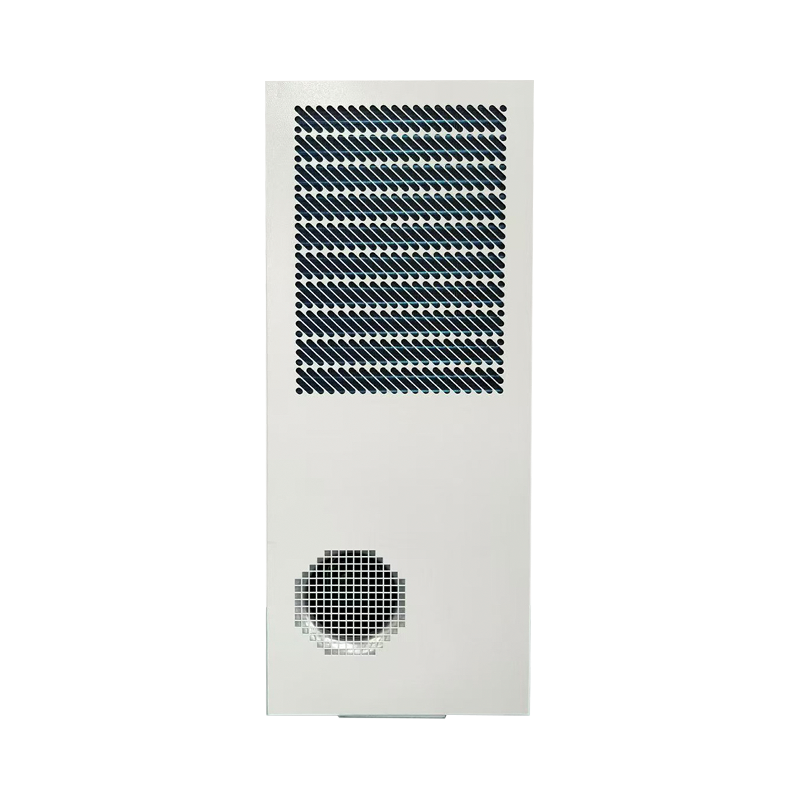
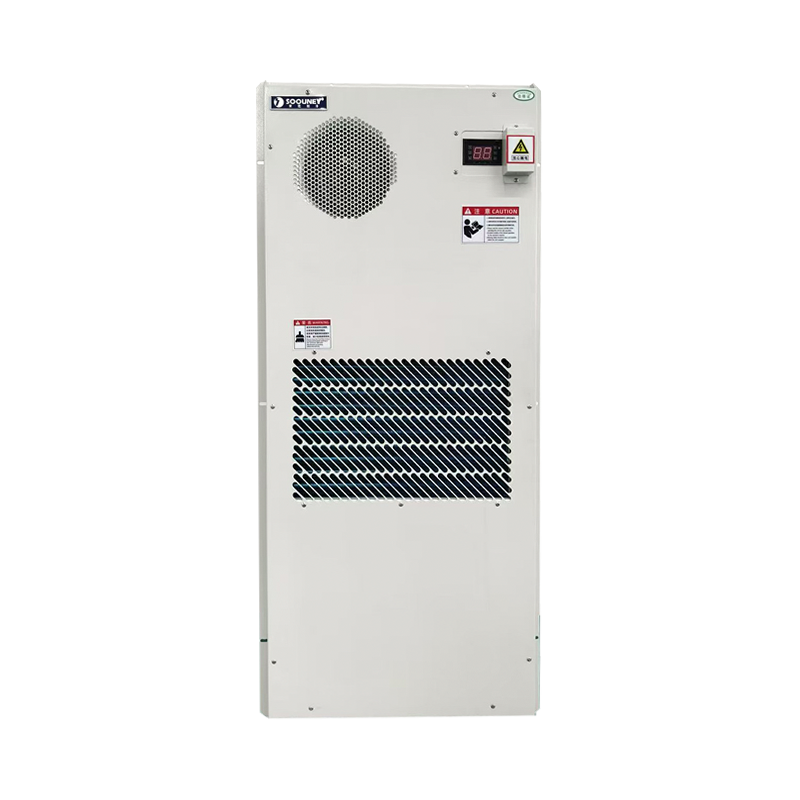
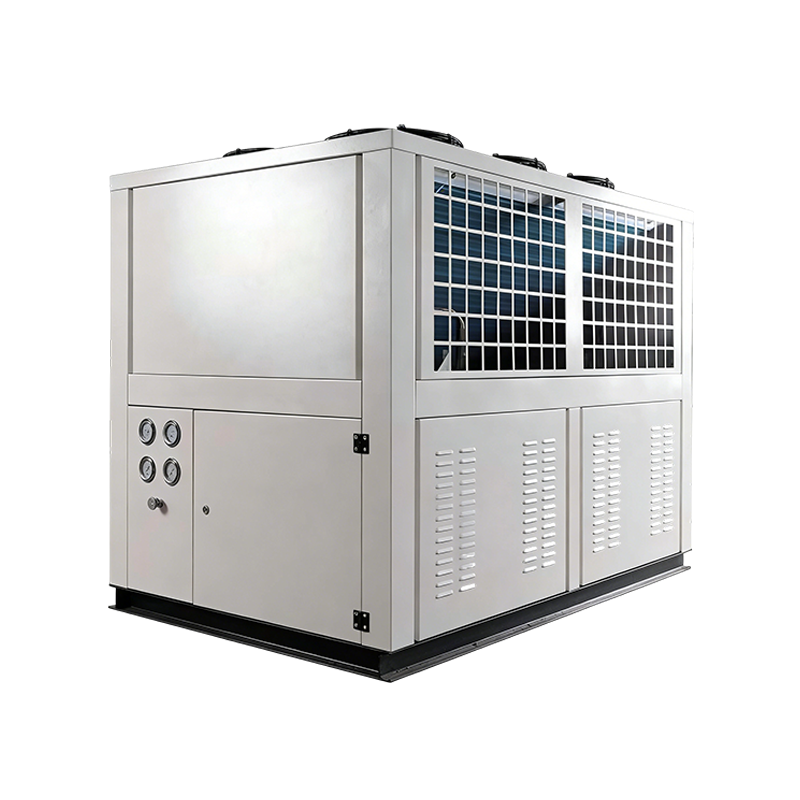
Outdoor Cabinet Air Conditioner
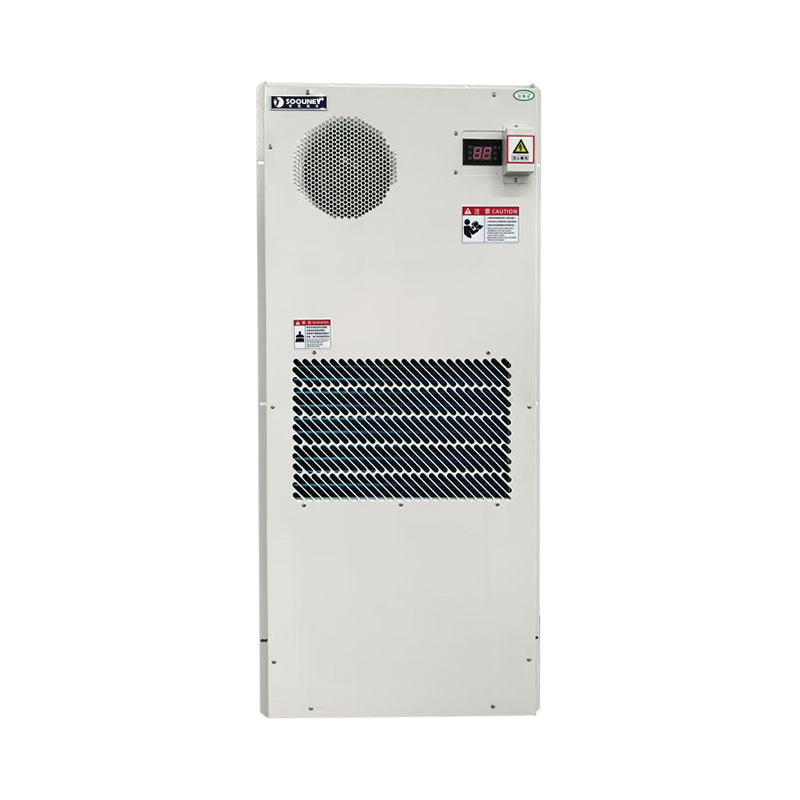
Cabinet air condition is actively cooling with compressor, and it will remove the heat inside the cabinet to outside. It also can keep the dust and heat outside the cabinet, avoiding problems from using fan. The inside cabinet can be maintained at an ideal temperature for electrical components which effectively guarantees the stability of the electronic equipment and improves the reliability of the whole system. The products can be widely used for outdoor communication cabinets, battery cabinets, electric cabinets, industry control cabinets etc.


Derived from authentic European technology.
Ensuring the core technological prowess of our products.
Integrated thermal management with IP55 protection for prefabricated cabins and outdoor enclosures.
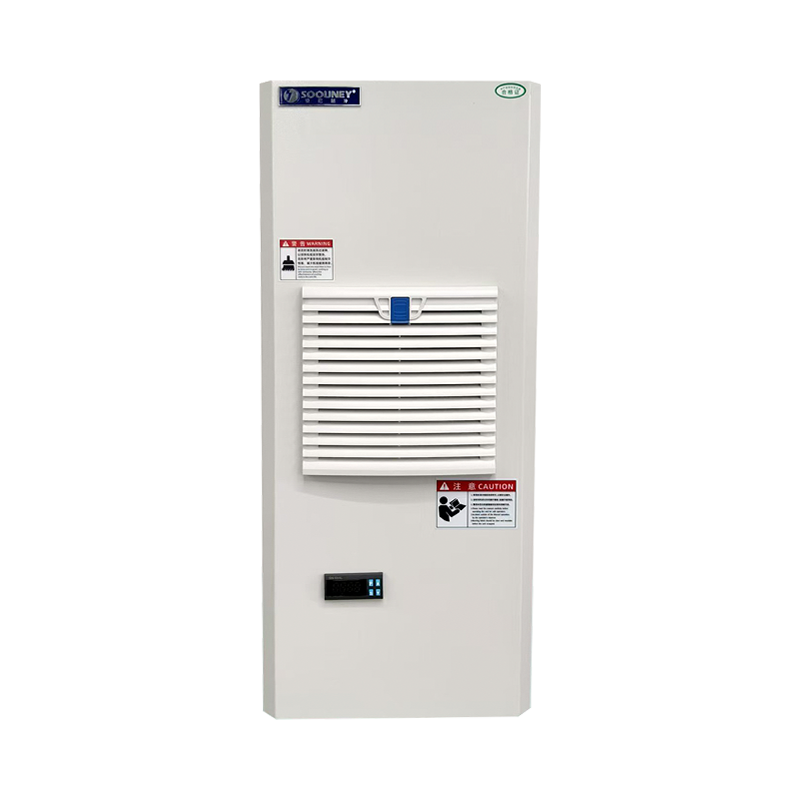
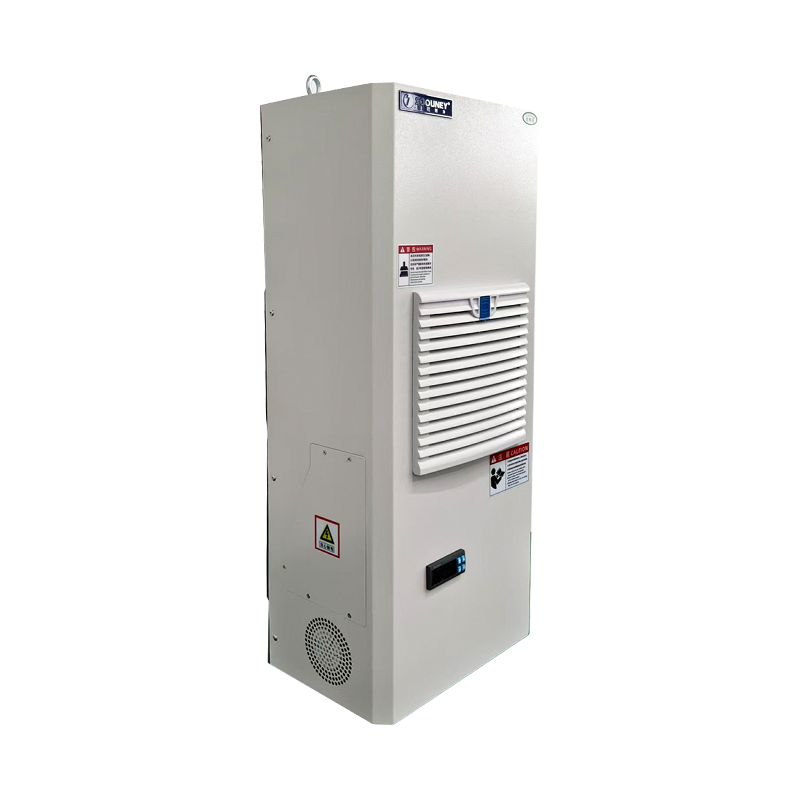
The Prefabricated Cabin Cabinet Air Conditioner is a self-contained thermal management unit engineered specifically for prefabricated cabins, modular shelters, and outdoor electrical enclosures requiring reliable climate control. The system integrates a vapor-compression refrigeration circuit with a plate-fin heat exchanger, delivering forced-air cooling for internal cabinet spaces while maintaining complete isolation between indoor and outdoor air streams. Built with a galvanized steel housing and powder-coated finish, the unit withstands corrosive environments and extreme weather conditions. The R134A refrigerant circuit operates across a wide ambient range of -5°C to 55°C, ensuring stable operation in diverse climatic zones. Digital temperature control with ±0.5°C accuracy provides precise thermal regulation for sensitive electronic equipment, while the IP55-rated dual-circulation design prevents ingress of dust and water jets, making the unit suitable for both indoor and outdoor installations without additional protective enclosures.
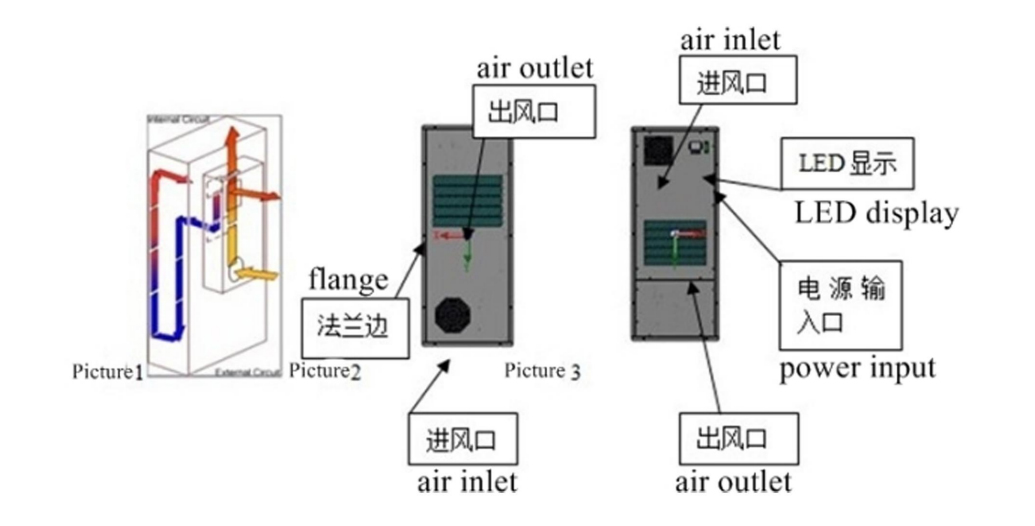
The unit is available in two mounting configurations: side mounted type with an integrated flange for secure attachment to cabinet side walls, and door mounted type without flange for direct integration into cabinet doors. Both configurations include a pre-cut gasket kit to maintain IP55 seal integrity.
The R134A version operates at ambient temperatures from -5°C to 55°C with a Global Warming Potential of 1430. The R513A variant offers a lower GWP of 631 while maintaining similar cooling capacity, with an operating range of -5°C to 45°C. R513A is recommended for projects with stricter environmental compliance requirements.
No, the unit features an internal condensate evaporation system that eliminates the need for external drainage pipes. Condensate collected from the evaporator coil is routed to a heated drain pan where it evaporates and is expelled through the condenser air stream, ensuring no water accumulation or leakage.
Routine maintenance includes quarterly cleaning of evaporator and condenser coils using compressed air or a soft brush, checking and tightening electrical connections, and inspecting the condensate drain for any blockages. The filter-dryer should be replaced every 24 months or when system pressure drop exceeds 0.5 bar. All refrigerant service must be performed by certified technicians.
Yes, the digital controller includes a built-in RS485 Modbus RTU communication interface, enabling integration with building management systems or SCADA platforms. Potential-free alarm contacts are also provided for remote fault indication, including high-temperature, compressor failure, and sensor fault alerts.
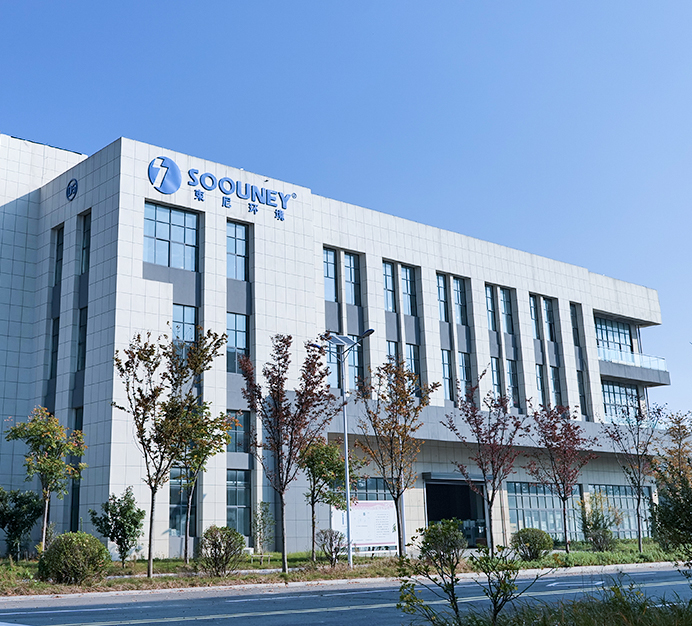


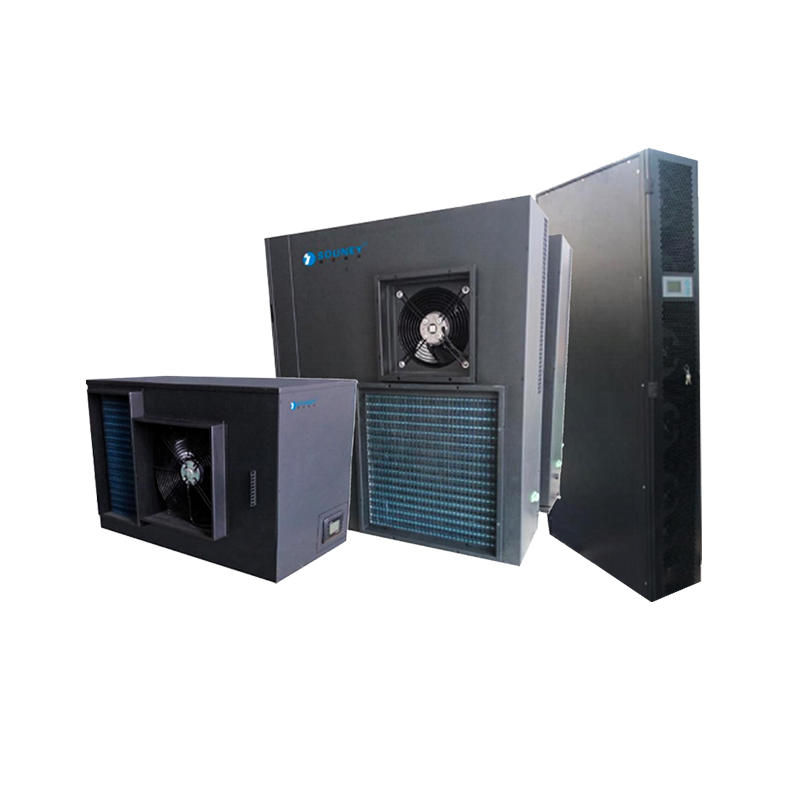
Shanghai Soouney Refrigeration Equipment Co., Ltd. is a large-to-medium-sized high-tech enterprise within Shanghai's refrigeration sector, integrating research, development, production and sales. We are China Prefabricated Cabin Cabinet Air Conditioner Suppliers and Wholesale Prefabricated Cabin Cabinet Air Conditioner Company. Upholding the quality principles of 'integrity, quality, service and innovation', the company pursues a development philosophy centred on humanisation and technological advancement, driving product R&D and manufacturing with high starting points and stringent standards. It has now grown into a renowned brand in the domestic and international markets for cabinet air conditioners and industrial chillers, earning high recognition from industry professionals and a broad customer base. Rooted in the Chinese market, it provides reliable refrigeration solutions to clients worldwide. We focus on international trade and B2B business, providing tailored solutions to global clients. We ensure the smooth, stable, and long-term operation of your projects with a comprehensive research and development, production, sales, and after-sales service system. We have nearly 20 years of experience in providing one-stop solutions for overseas projects.

Site Area

Established

Employees
With the continuous development of energy, power, communications, rail transportation, and various industrial integration scenarios, prefabricated cabin structures are becoming increasingly widespread at an unprecedented pace. Within these highly integrated spaces, a seemingly insignificant yet crucial device is becoming the core guarantee for stable system operation—the Prefabricated Cabin Cabinet Air Conditioner. It not only determines the temperature environment of the equipment cabin but also directly affects the reliability and lifespan of the entire system.
The design concept of prefabricated cabins is to integrate traditionally distributed equipment into standardized cabins, achieving rapid deployment and flexible expansion. However, the first challenge brought about by high integration is thermal management.
Within a limited space, communication equipment, power modules, and control systems continuously generate a large amount of heat. If heat dissipation is not timely, it can lead to performance degradation, or even system shutdown or equipment damage. Traditional air conditioning solutions are often difficult to adapt to the compactness and sealing requirements of the cabin structure. Therefore, cabinet-type air conditioners specifically designed for prefabricated cabins have emerged.
Characterized by its compact structure, flexible installation, and strong adaptability, prefabricated cabinet air conditioners can be directly embedded into the cabinet walls to achieve precise cooling and heat circulation control, thus ensuring the long-term stable operation of internal equipment.
Compared to ordinary industrial air conditioners, prefabricated cabinet air conditioners emphasize system synergy and environmental adaptability in their design philosophy.
They typically employ high-efficiency heat exchange systems and intelligent temperature control technology, dynamically adjusting operating status according to the load inside the cabin to avoid energy waste. Secondly, their structural design fully considers the air circulation path in a closed environment, resulting in more uniform cooling distribution and reducing the risk of localized overheating.
These products usually possess strong environmental adaptability, capable of long-term stable operation in industrial environments with high temperatures, dust, and significant humidity fluctuations. This is particularly crucial for outdoor prefabricated cabin applications, such as substations, communication base stations, and rail transit control systems.
In practical project applications, while the performance of individual devices is important, the overall system capability is often more decisive. Prefabricated cabinet air conditioners are not merely refrigeration equipment, but rather an integral part of the overall cabin thermal management system.
In this field, companies with complete R&D and manufacturing systems often have a significant advantage. Shanghai Soouney Refrigeration Equipment Co., Ltd., a high-tech enterprise in Shanghai's refrigeration industry, integrates R&D, production, and sales, focusing on industrial refrigeration and cabinet air conditioning.
With nearly 20 years of experience serving overseas projects, the company provides customized solutions to the global B2B market, capable of designing highly compatible refrigeration systems for clients based on different national and industry standards. Its products are not only used in industrial cabinet air conditioners but also cover multiple fields such as industrial chillers, gaining high recognition in both domestic and international markets.
Based on the development philosophy of integrity, quality, service, and innovation, the company has formed a mature system in prefabricated cabin temperature control solutions, providing closed-loop support throughout the entire process from solution design to manufacturing and after-sales service, ensuring the long-term stable operation of client projects.
With the accelerated development of new energy, power infrastructure, and communication networks overseas, the application scenarios for prefabricated cabinet air conditioners are constantly expanding.
Vast differences in climate conditions across countries and regions place higher demands on equipment. For example, high-temperature desert regions require stronger heat dissipation capabilities, while high-humidity coastal areas prioritize corrosion resistance and moisture resistance. Therefore, standardized products are no longer sufficient to meet all needs, making customized solutions an industry trend.
In this context, companies with international trade experience and engineering service capabilities are particularly important. In-depth analysis of the project environment and optimization of product design based on actual load requirements can significantly improve overall system stability while reducing subsequent operation and maintenance costs.
In recent years, with the development of intelligent control and energy-saving technologies, prefabricated cabinet air conditioners are evolving from traditional equipment to intelligent systems.
By introducing remote monitoring and data analysis functions, users can monitor changes in cabin temperature and equipment operating status in real time, enabling predictive maintenance. This not only improves system reliability but also reduces manual inspection costs.
With increasingly stringent energy conservation and environmental protection requirements, high energy efficiency and low-carbon operation have become important directions for product development. In the future, these devices will place greater emphasis on coordinated operation with new energy systems, such as the coordinated control of energy storage modules and photovoltaic systems.
The value of prefabricated cabinet-type air conditioners has long surpassed simple temperature regulation; they are more like a stabilizer for the entire modular system. With the trend towards high integration and intelligence, they are becoming an indispensable part of ensuring the long-term operation of industrial systems.
As global infrastructure construction continues to upgrade, the demand for highly reliable cooling solutions will continue to grow, and companies with R&D capabilities, manufacturing strength, and international service experience will occupy a more important position in this field.
A1: Prefabricated cabinet-type air conditioners emphasize integrated design with the cabin structure, are more compact, suitable for enclosed spaces, and have stronger environmental adaptability and precise temperature control capabilities.
A2: Primarily used in modular engineering scenarios such as power systems, communication base stations, rail transit, prefabricated data center modules, and new energy storage systems.
A3: Factors such as module size, equipment heat generation, ambient temperature and humidity, and operating load need to be considered comprehensively. Customized selection based on a professional cooling solution is recommended.
A4: High-quality products typically possess dustproof, corrosion-resistant, and wide-temperature operating capabilities, adapting to complex industrial environments such as high temperature, low temperature, and high humidity.
A5: Yes. Companies with international service capabilities can provide customized solutions according to different national standards and offer long-term technical and after-sales support.
 Email: [email protected]
 Whatsapp: +86 18921753771
 Mobile Phone : +86-18921753771
 Telephone: +86-021-58223918
 No. 128 Hui'an Road, Fengxian District, Shanghai, China