English
 Español
0
Site Area


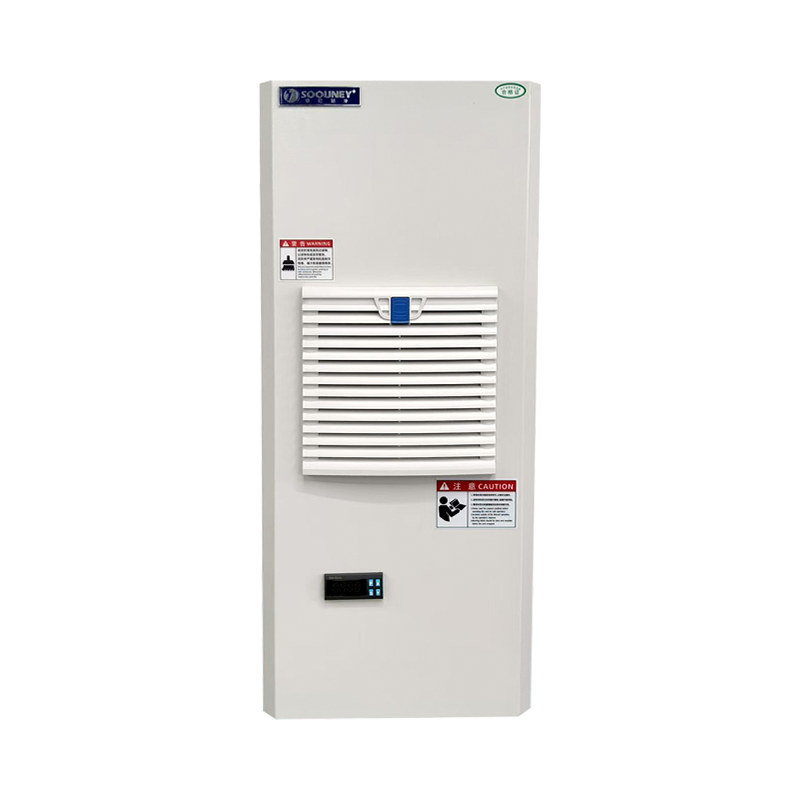
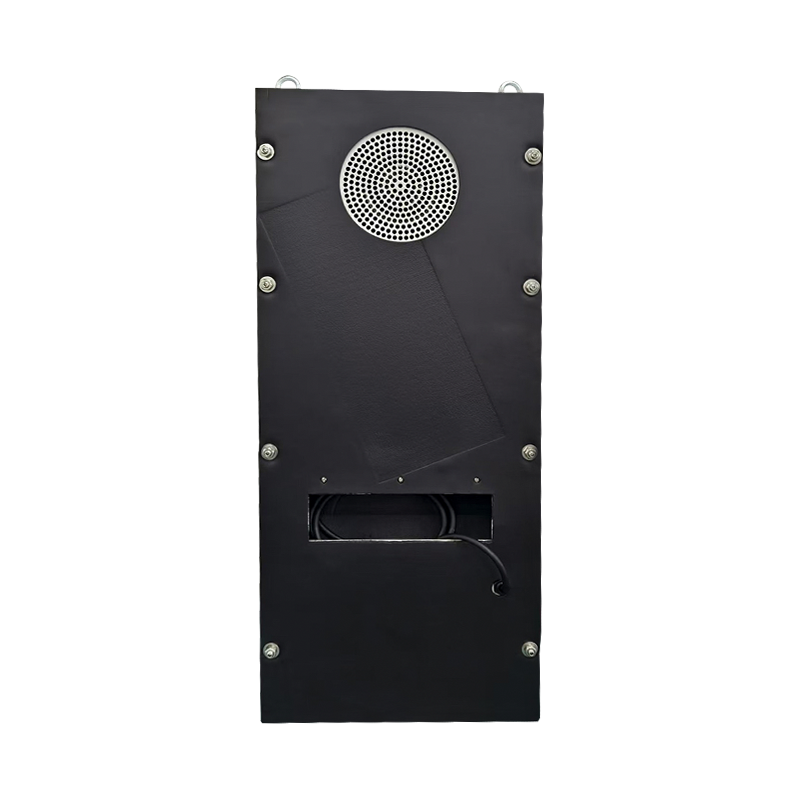
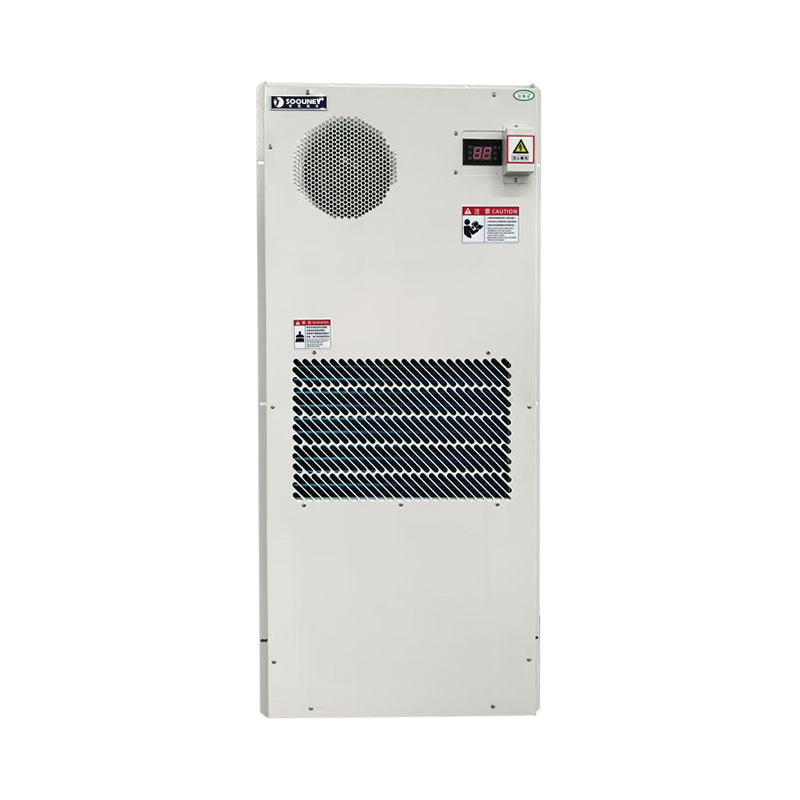
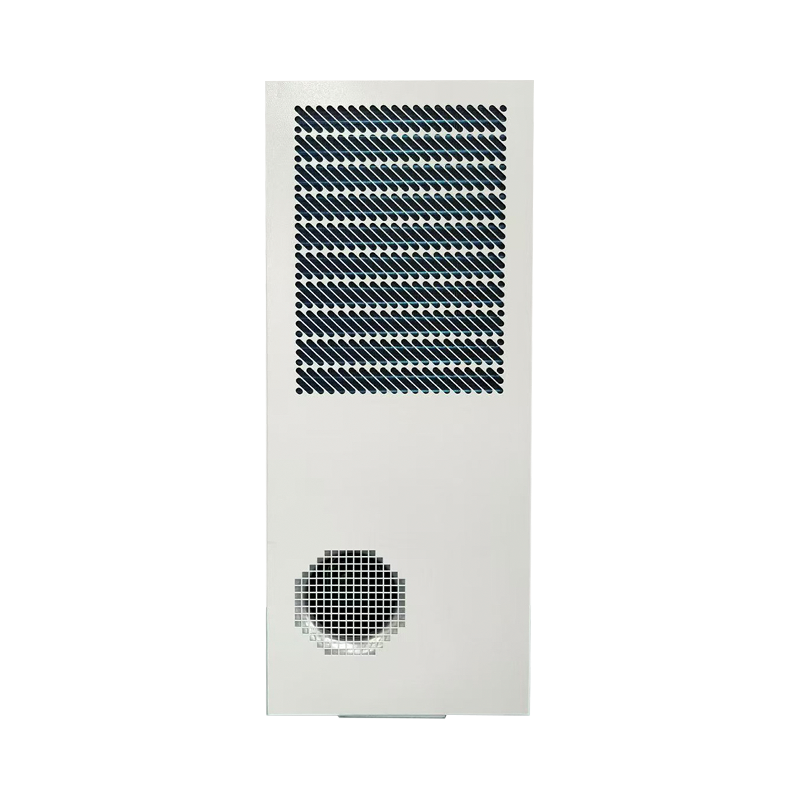
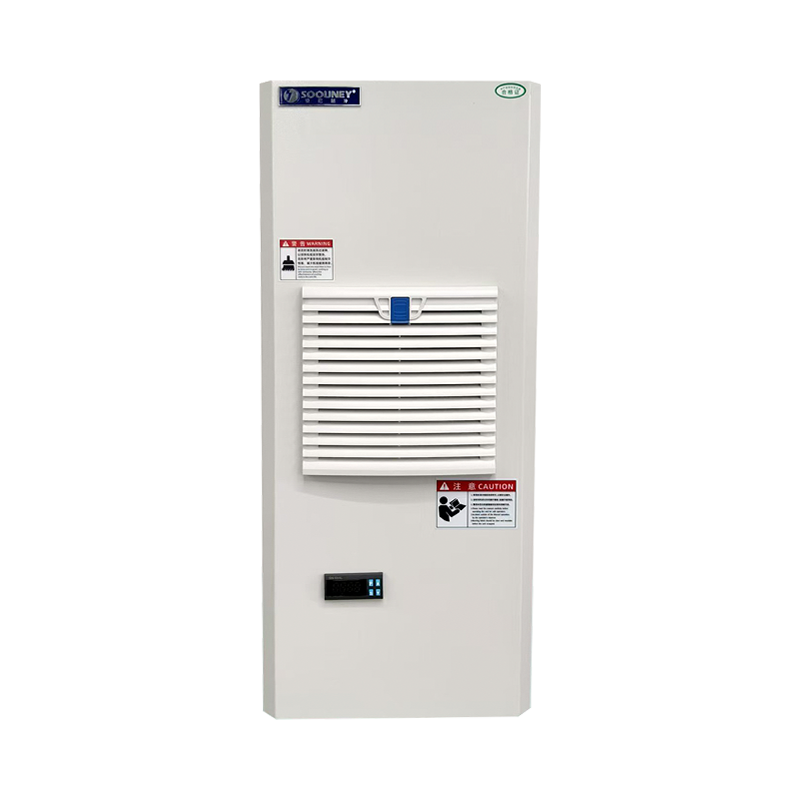
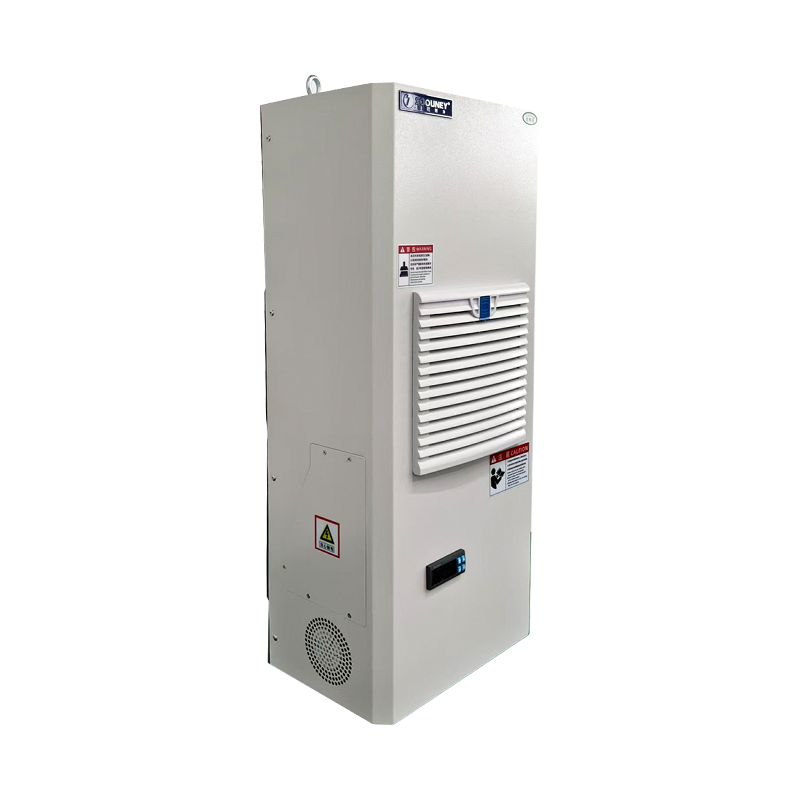
Indoor Cabinet Air Conditioner
Product Features
· Key components utilize renowned domestic and international brands, such as Hitachi compressors and German EBM fans;
· Dual filtration and dual protection fully accommodate high-temperature, high-heat, high-dust, and oily environments at customer sites;
· The air conditioner system incorporates multiple protective functions, significantly enhancing operational stability;
· Customizable stainless steel sheet metal casing available upon request, further enhancing corrosion resistance and weatherproofing.
Application
This series utilizes R134A eco-friendly high-temperature refrigerant, suitable for environments with ambient temperatures up to 65°C (143°F). The unit incorporates advanced structural design with dual-layer filters at the fan inlet, substantially improving resistance to dust and oil contamination. It is particularly well-suited for high-temperature and harsh environments in steel mills, coking plants, and industries with heavy dust and oil contamination, such as textiles.


Derived from authentic European technology.
Ensuring the core technological prowess of our products.
R134A eco-friendly refrigerant · 65°C ambient tolerance · Dual-layer filtration
The High-Temperature Electrical Cabinet Air Conditioner is a specialized thermal management system engineered for extreme ambient conditions up to 65°C (143°F). Utilizing R134A eco-friendly high-temperature refrigerant, the unit maintains reliable cooling performance in environments where standard air conditioners fail. The advanced structural design incorporates dual-layer filtration at the fan inlet, substantially improving resistance to dust, particulate matter, and oil contamination commonly found in heavy industrial settings. The sealed refrigeration circuit with high-temperature compressor and oversized condenser ensures stable heat rejection even when ambient temperatures exceed typical operating limits. Digital temperature control with adjustable setpoints and alarm outputs provides precise cabinet climate regulation. The IP55-rated enclosure with corrosion-resistant coating protects internal components from moisture, dust, and chemical exposure, making the unit suitable for continuous operation in steel mills, coking plants, textile facilities, and other harsh industrial environments where equipment reliability is critical.
The unit uses a high-temperature compressor with specialized winding insulation, an oversized condenser with enhanced heat transfer surface, and an optimized expansion valve calibrated for elevated ambient conditions. The refrigerant charge and capillary tube sizing are specifically engineered to maintain suction pressure and cooling capacity at 65°C.
The first layer is a washable pre-filter that captures coarse dust and fibers. The second layer is a fine pleated filter that traps smaller particles and oil aerosols. This two-stage design prevents clogging of the evaporator coil, maintains airflow, and reduces maintenance frequency in heavily contaminated environments.
Yes. The dual-layer filtration system is specifically designed for oil-mist environments common in textile manufacturing and machining operations. The pre-filter captures larger oil droplets while the fine filter coalesces smaller aerosols. The coils also feature an oleophobic coating that prevents oil adhesion and facilitates self-cleaning during condensate drainage.
Inspect and clean filters weekly in heavy dust environments. Check condenser coil monthly for debris accumulation and clean with compressed air. Verify refrigerant sight glass for moisture indication every 6 months. Replace filter-dryer annually or when pressure drop exceeds 0.7 bar. All service must be performed by certified technicians.
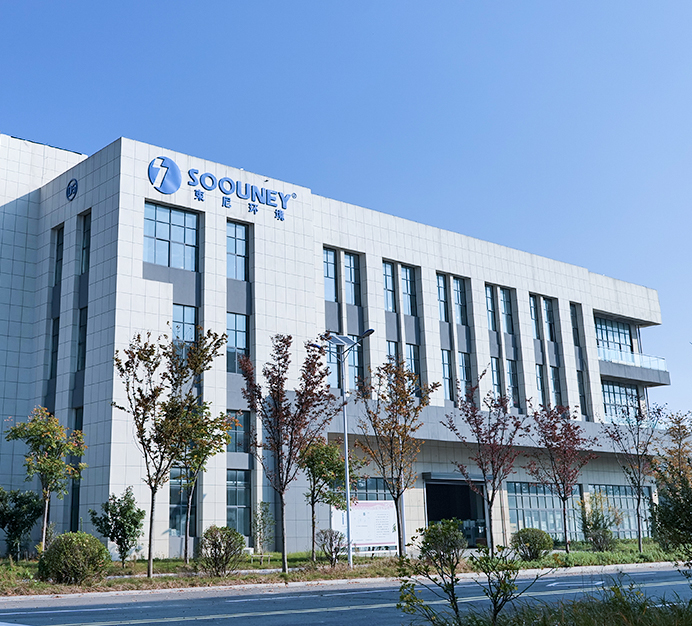


Shanghai Soouney Refrigeration Equipment Co., Ltd. is a large-to-medium-sized high-tech enterprise within Shanghai's refrigeration sector, integrating research, development, production and sales. We are China High-Temperature Electrical Cabinet Air Conditioner Suppliers and Wholesale High-Temperature Electrical Cabinet Air Conditioner Company. Upholding the quality principles of 'integrity, quality, service and innovation', the company pursues a development philosophy centred on humanisation and technological advancement, driving product R&D and manufacturing with high starting points and stringent standards. It has now grown into a renowned brand in the domestic and international markets for cabinet air conditioners and industrial chillers, earning high recognition from industry professionals and a broad customer base. Rooted in the Chinese market, it provides reliable refrigeration solutions to clients worldwide. We focus on international trade and B2B business, providing tailored solutions to global clients. We ensure the smooth, stable, and long-term operation of your projects with a comprehensive research and development, production, sales, and after-sales service system. We have nearly 20 years of experience in providing one-stop solutions for overseas projects.

Site Area

Established

Employees
The growing demand for reliable thermal management in industrial environments has highlighted the importance of cabinet air conditioning solutions capable of operating under extreme conditions. high-temperature electrical cabinet air conditioner systems are designed to maintain stable internal temperatures in high-heat and harsh environments. These environments typically include steel mills, coking plants, and other industrial applications characterized by high ambient temperatures, heavy dust, and oil contamination. The primary objective of these systems is to ensure the continuous and safe operation of sensitive electrical components.
Cabinet cooling systems for high-temperature environments must address multiple challenges simultaneously, including thermal load, environmental contamination, and long-term operational stability. Selecting the appropriate cooling technology is therefore a strategic decision that directly impacts equipment reliability and lifecycle costs. Among available technologies, thermoelectric coolers and compressor-based systems represent two fundamentally different approaches.
Thermoelectric coolers operate using solid-state technology based on the Peltier effect, enabling heat transfer through semiconductor materials. These systems are compact, vibration-free, and require minimal maintenance due to the absence of complex mechanical components. As a result, they are widely used in applications requiring precise temperature control in small enclosures.
However, their application in high-heat industrial scenarios is limited. The cooling capacity of thermoelectric systems is inherently restricted, particularly when ambient temperatures rise significantly. Solid-state cabinet cooling solutions rely heavily on the temperature difference between the internal and external environment, which becomes a critical limitation in extreme heat conditions. Additionally, in environments with heavy dust and oil contamination, maintaining efficient heat dissipation becomes increasingly difficult, potentially leading to reduced performance and shortened service life.
Compressor-based high-temperature electrical cabinet air conditioner systems operate using a vapor-compression refrigeration cycle and are specifically engineered for high thermal loads. These systems typically use environmentally friendly refrigerants such as R134A and are capable of operating in ambient temperatures up to 65°C. This makes them highly suitable for demanding industrial applications.
One of the defining characteristics of compressor-based systems is their strong cooling capacity and adaptability. Equipped with dual-layer filtration at the air inlet, these systems effectively prevent dust and oil ingress, ensuring stable performance in harsh environments. Industrial cabinet air conditioning units also incorporate multiple protective mechanisms, including overload protection and temperature monitoring, which significantly enhance operational safety and reliability.
| Parameter | Thermoelectric Cooling | Compressor-Based Cooling |
|---|---|---|
| Cooling Capacity | Low to moderate | High, suitable for heavy heat loads |
| Ambient Temperature Tolerance | Limited | Up to 65°C |
| Dust and Oil Resistance | Moderate | High with dual filtration |
| System Complexity | Simple | Moderate to complex |
| Suitability for Industrial Use | Limited | Highly suitable |
Modern high-temperature electrical cabinet air conditioner systems are designed with advanced structural features to enhance durability in challenging environments. Dual-layer filtration systems effectively block particulate matter and oil mist, while optimized airflow design ensures efficient heat exchange. These design improvements significantly reduce the risk of contamination inside the cabinet.
In addition, customizable stainless steel enclosures provide enhanced corrosion resistance and weatherproofing capabilities. This is particularly important in industries such as steel processing and textile manufacturing, where exposure to corrosive substances and environmental fluctuations is common. Enclosure cooling solutions for harsh environments must therefore combine mechanical robustness with thermal efficiency.
Shanghai Soouney Refrigeration Equipment Co., Ltd. plays a significant role in advancing cabinet cooling technologies by offering customized solutions tailored to diverse industrial conditions. As a large-to-medium-sized high-tech enterprise integrating research, development, production, and sales, the company has established a strong presence in both domestic and international markets.
The company emphasizes full-chain integration, covering product design, manufacturing, and service delivery. Its engineering capabilities include localized adaptation of advanced European technology, ensuring that high-temperature electrical cabinet air conditioner products meet international performance standards while addressing specific industrial requirements. This approach ensures both technical reliability and operational flexibility.
Ensuring long-term reliability requires strict adherence to quality management throughout the product lifecycle. Shanghai Soouney Refrigeration Equipment Co., Ltd. implements an internationally benchmarked R&D quality management system, covering every stage from conceptual design to performance validation. This systematic approach ensures that each unit delivers consistent and stable cooling performance.
Furthermore, the integration of digital traceability and intelligent monitoring enhances product transparency and quality assurance. Industrial cabinet cooling systems developed under such frameworks are better equipped to handle complex operational conditions, reducing failure rates and improving overall equipment efficiency.
The maintenance requirements of a high-temperature electrical cabinet air conditioner depend largely on the cooling technology used. Thermoelectric systems require minimal maintenance but offer limited performance under heavy loads. In contrast, compressor-based systems require periodic inspection but deliver significantly higher cooling efficiency.
Shanghai Soouney Refrigeration Equipment Co., Ltd. supports customers through structured service protocols, including training programs and after-sales support. By continuously gathering feedback and refining product specifications, the company ensures that maintenance practices align with real-world industrial demands. This contributes to extended equipment lifespan and improved operational reliability.
When evaluating cooling solutions for high-heat industrial environments, compressor-based systems clearly outperform thermoelectric alternatives. Their superior cooling capacity, resistance to environmental contamination, and adaptability to extreme temperatures make them the preferred choice for demanding applications.
High-performance cabinet air conditioning systems must address not only temperature control but also environmental protection and operational stability. Compressor-based high-temperature electrical cabinet air conditioner units fulfill these requirements effectively, ensuring reliable operation in even the most challenging industrial conditions.
The main limitation is its low cooling capacity, especially in high ambient temperatures. Thermoelectric systems struggle to maintain sufficient temperature differences in extreme heat conditions.
Compressor-based systems offer higher cooling capacity, better environmental resistance, and stable performance even when ambient temperatures reach up to 65°C.
Dual-layer filtration prevents dust and oil from entering the system, protecting internal components and ensuring consistent airflow and cooling efficiency.
Yes, modern systems can be customized with features such as stainless steel enclosures, enhanced filtration, and tailored cooling capacities to meet specific industrial requirements.
Industries such as steel manufacturing, coking plants, and textile production benefit significantly due to their high heat loads and harsh environmental conditions.
 Email: [email protected]
 Whatsapp: +86 18921753771
 Mobile Phone : +86-18921753771
 Telephone: +86-021-58223918
 No. 128 Hui'an Road, Fengxian District, Shanghai, China