English
 Español
0
Site Area


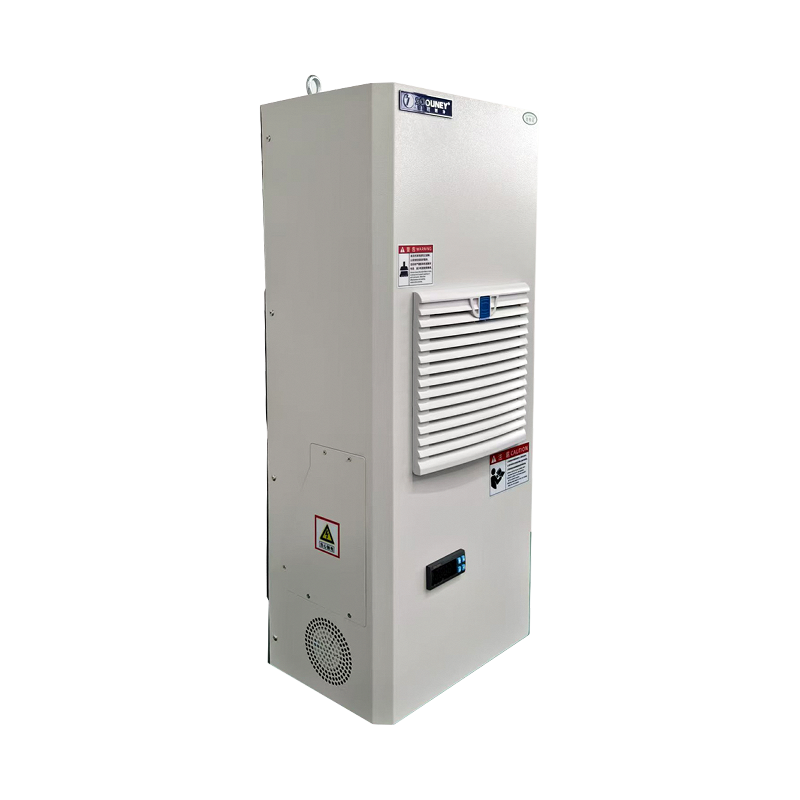
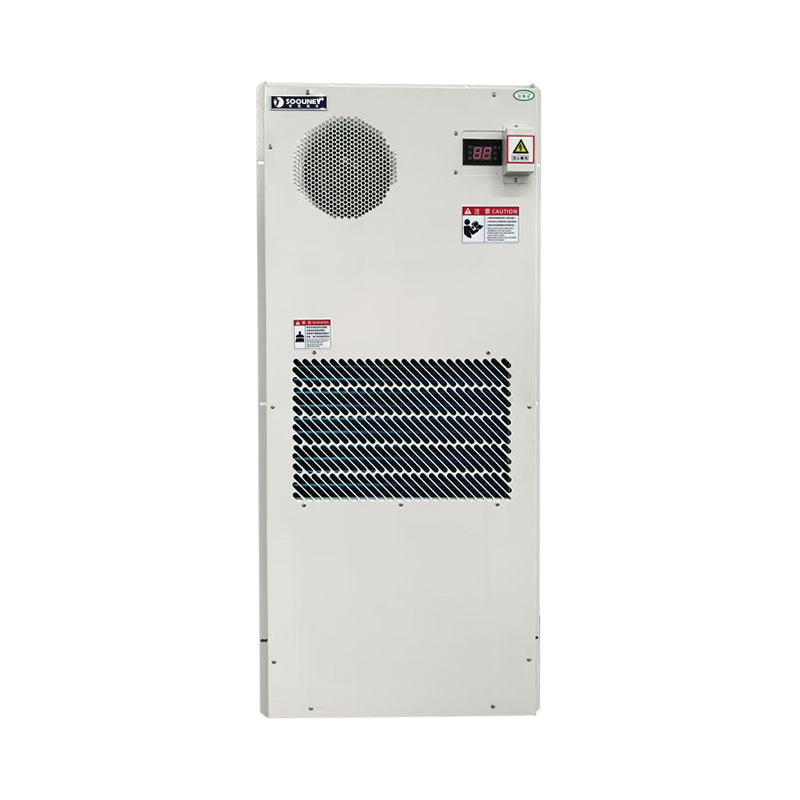
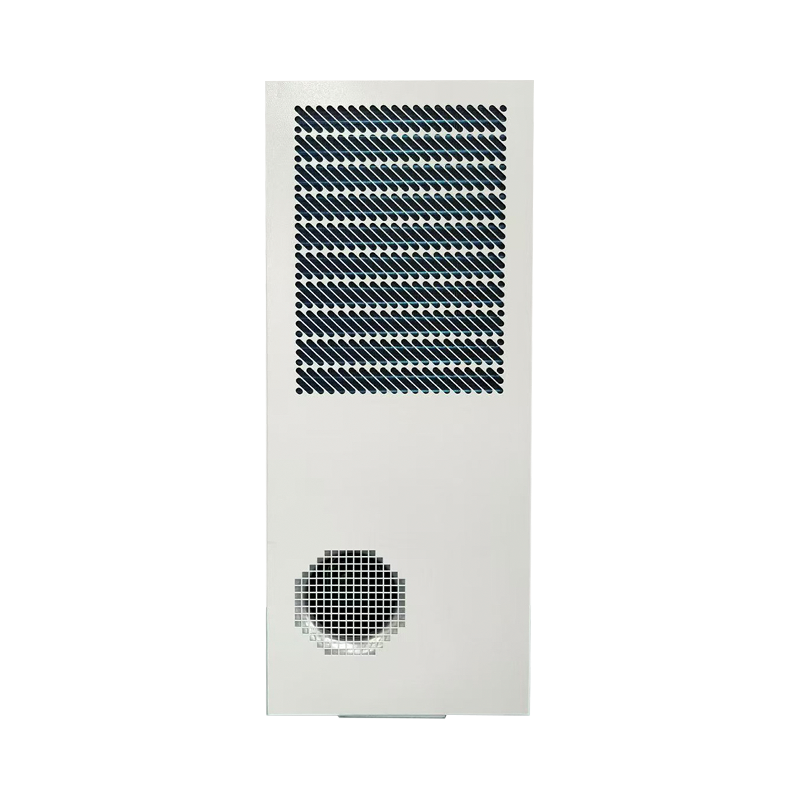
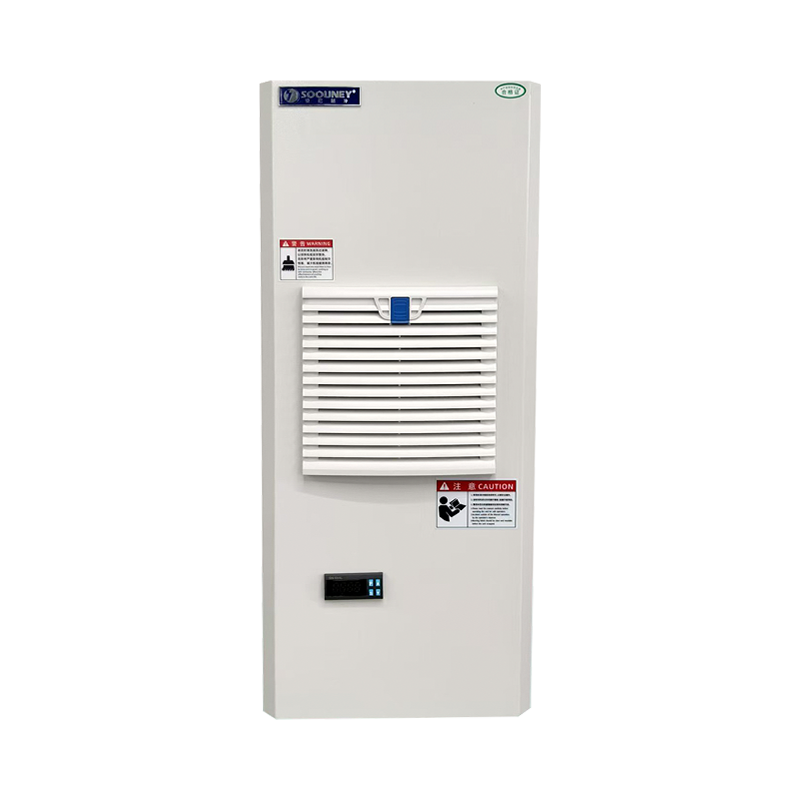
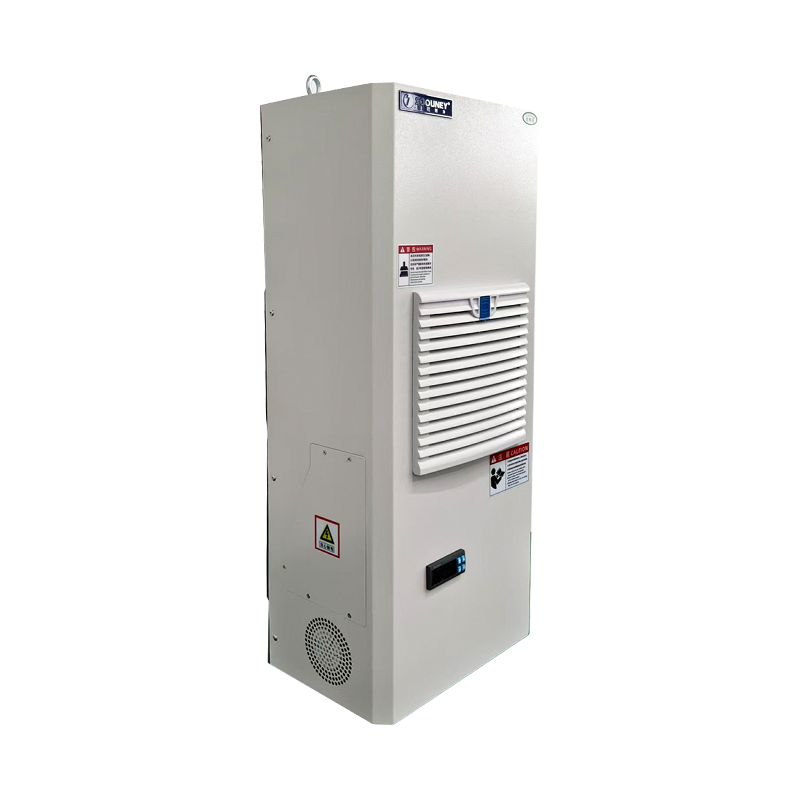
Indoor Cabinet Air Conditioner
Product Features
· Evaporator condensate generated during air conditioner operation is effectively evaporated, enabling the evaporator inside the refrigeration unit to achieve exceptionally high evaporation capacity. Enhanced safety eliminates condensate dripping onto factory floors (no standing water, no slip hazard);
· Time-saving advantage eliminates the need to empty the air conditioner condensate tank;
· Lower cost, aesthetically pleasing design, and a new built-in condensate evaporator that is more energy-efficient and environmentally friendly.
Application Scope
Widely deployed in demanding environments across machine tools, data processing, telecommunications, finance, metallurgy, petrochemicals, construction materials, automotive, and defense sectors. Currently adopted by major domestic data processing centers and CNC machining facilities. The superior performance and reliability of condensate-free electrical cabinet air conditioners are gaining recognition from an increasing number of high-end domestic and international clients.


Derived from authentic European technology.
Ensuring the core technological prowess of our products.
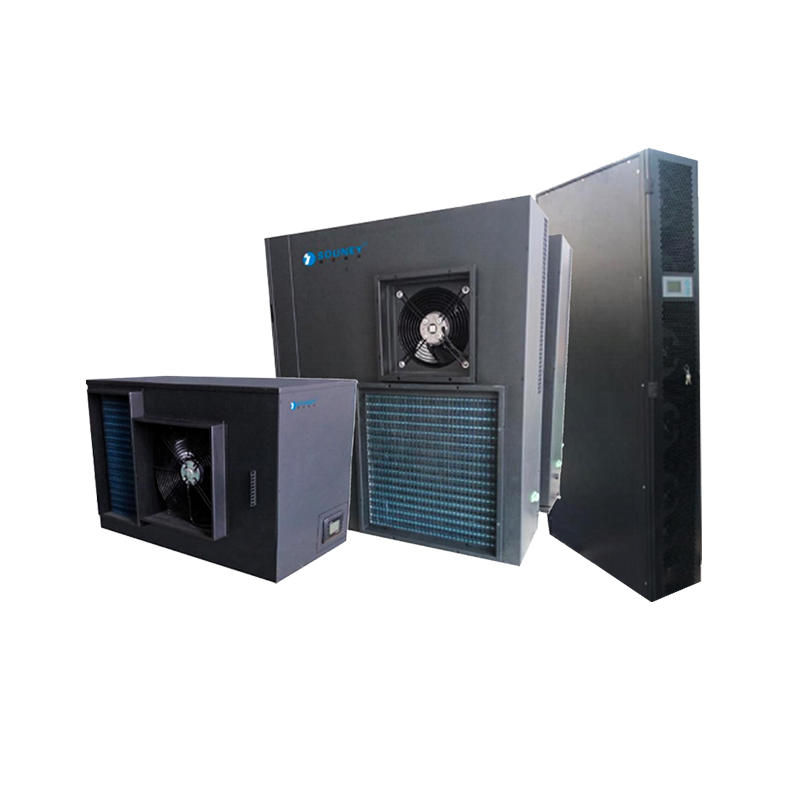
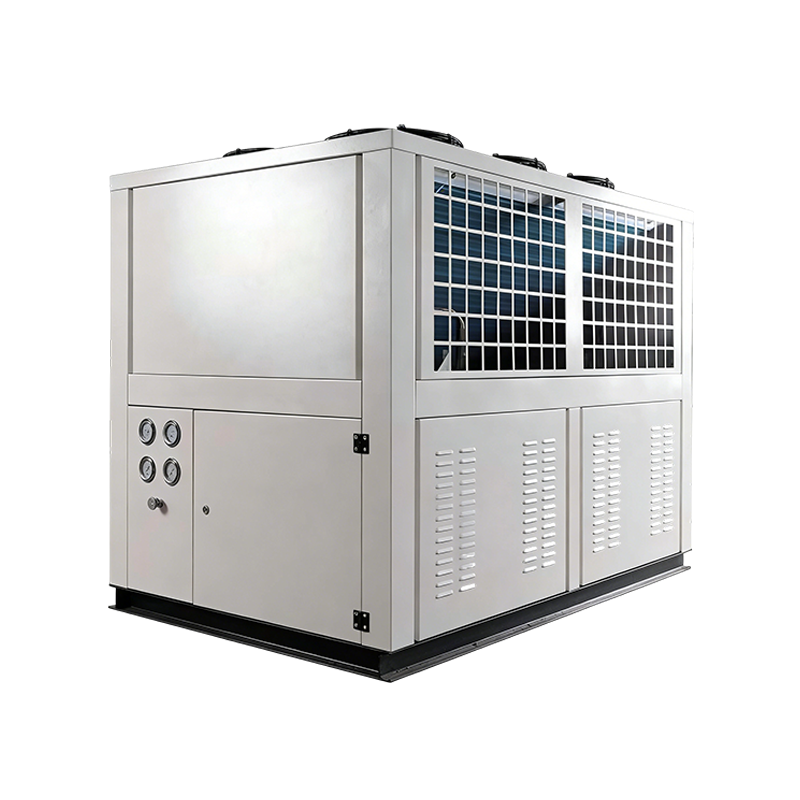
Dry-cooling thermal management for precision equipment in data centers, CNC machining, telecom, finance, metallurgy, petrochemicals, building materials, automotive and defense.
The Non-Condensing Cabinet Air Conditioner is a precision thermal management solution engineered to eliminate condensate formation entirely during operation. Unlike conventional air conditioners that produce moisture through the refrigeration cycle, this unit employs a proprietary dry-cooling architecture that maintains cabinet temperature above the dew point, preventing water vapor from condensing on internal surfaces or electronic components. This condensate-free design is critical for protecting sensitive equipment in machine tools, data processing centers, telecommunications infrastructure, financial trading systems, metallurgical controls, petrochemical instrumentation, building materials production lines, automotive manufacturing, and defense applications. The unit features a hermetically sealed compressor circuit with a specially calibrated thermal expansion valve, combined with intelligent dew-point tracking that continuously adjusts evaporator temperature to stay above condensation thresholds. Digital control with real-time humidity monitoring ensures consistent performance across varying ambient conditions. The IP54-rated housing with corrosion-resistant coating provides reliable protection in industrial environments. Currently deployed in major domestic data processing facilities and CNC machining operations, the non-condensing electrical cabinet air conditioner is rapidly gaining adoption among high-end domestic and international clients who require absolute moisture-free cabinet environments for their mission-critical equipment.
The unit continuously monitors cabinet temperature and humidity, calculating the dew point in real time. The control system adjusts evaporator temperature to remain 2-3°C above the dew point, preventing moisture from condensing on cold surfaces while still providing effective cooling for the cabinet interior.
This unit is widely deployed in machine tools, data processing centers, telecommunications, financial trading, metallurgy, petrochemicals, building materials, automotive manufacturing, and defense sectors. It is particularly valuable in applications where even minimal moisture can cause equipment failure or data corruption.
No. The non-condensing design eliminates condensate formation entirely, so there is no need for drain lines, condensate pumps, or evaporation systems. This significantly reduces installation complexity and eliminates water-related maintenance tasks.
Standard air conditioners operate with evaporator temperatures well below the dew point, causing condensation that must be drained away. This unit uses a proprietary dry-cooling circuit with dew-point tracking to maintain evaporator temperature above condensation thresholds, eliminating moisture formation while still providing effective cooling.
Maintenance requirements are minimal due to the absence of condensate handling systems. Routine tasks include cleaning the condenser coil every 3-6 months (frequency depends on ambient dust levels), checking electrical connections annually, and verifying sensor accuracy every 12 months. No drain line cleaning or evaporation system servicing is required.
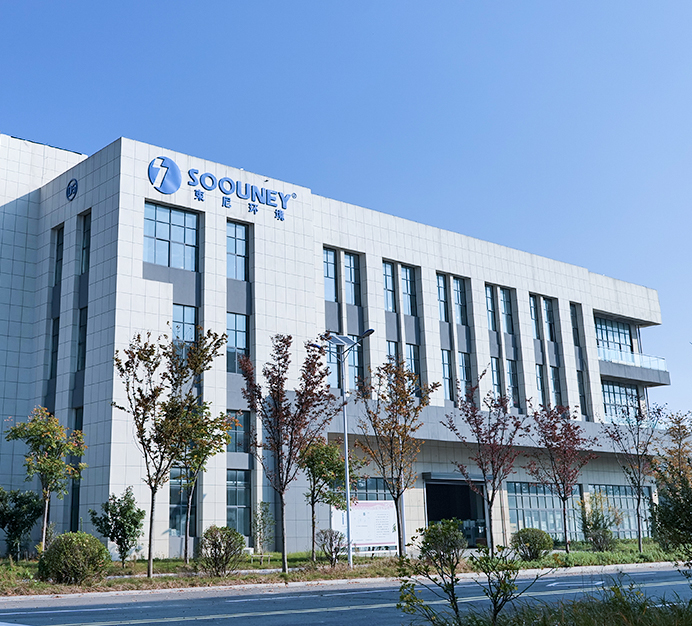


Shanghai Soouney Refrigeration Equipment Co., Ltd. is a large-to-medium-sized high-tech enterprise within Shanghai's refrigeration sector, integrating research, development, production and sales. We are China Non-Condensing Cabinet Air Conditioner Suppliers and Wholesale Non-Condensing Cabinet Air Conditioner Company. Upholding the quality principles of 'integrity, quality, service and innovation', the company pursues a development philosophy centred on humanisation and technological advancement, driving product R&D and manufacturing with high starting points and stringent standards. It has now grown into a renowned brand in the domestic and international markets for cabinet air conditioners and industrial chillers, earning high recognition from industry professionals and a broad customer base. Rooted in the Chinese market, it provides reliable refrigeration solutions to clients worldwide. We focus on international trade and B2B business, providing tailored solutions to global clients. We ensure the smooth, stable, and long-term operation of your projects with a comprehensive research and development, production, sales, and after-sales service system. We have nearly 20 years of experience in providing one-stop solutions for overseas projects.

Site Area

Established

Employees
Humidity control is a critical consideration in industrial environments where electrical cabinets are exposed to fluctuating temperatures and varying ambient moisture levels. Excess humidity can lead to condensation, corrosion, insulation degradation, and ultimately equipment failure. In such contexts, the non-condensing cabinet air conditioner has emerged as a specialized solution designed to address both temperature and moisture challenges simultaneously.
Unlike traditional systems that rely on external drainage or condensate collection tanks, this type of system incorporates advanced internal mechanisms to manage moisture. The core principle lies in eliminating visible condensate while maintaining stable internal conditions. This approach is particularly valuable in environments where floor safety, maintenance efficiency, and system reliability are of high importance.
The increasing demand for precision cooling solutions in industries such as data processing, telecommunications, and CNC machining has further emphasized the importance of efficient humidity control. The integration of condensate evaporation technology ensures that moisture generated during cooling does not accumulate or create secondary risks.
The operational mechanism of a non-condensing cabinet air conditioner is centered on its ability to internally manage and evaporate condensate. During the cooling process, warm air passing over the evaporator coil results in the formation of moisture. In conventional systems, this moisture collects and must be drained manually or through piping systems. However, this introduces maintenance requirements and potential leakage risks.
In contrast, condensate evaporation technology allows the system to reprocess collected moisture into vapor. This is achieved through a built-in evaporator designed with high heat exchange efficiency. The collected water is exposed to elevated temperatures within the system, enabling rapid evaporation without external discharge.
This design offers several operational advantages:
By integrating this closed-loop moisture management approach, the system ensures stable humidity control without introducing additional operational burdens.
The effectiveness of humidity handling in a non-condensing cabinet air conditioner is closely tied to its structural design and component selection. The system is engineered to maximize evaporation capacity while maintaining compactness and durability.
Key components include:
These components work together to create a system that not only cools but also stabilizes humidity levels. The absence of external condensate discharge mechanisms significantly simplifies system integration, especially in confined or sensitive industrial environments.
Additionally, modern manufacturing practices emphasize reliability and precision. For example, Shanghai Soouney Refrigeration Equipment Co., Ltd. applies strict design validation processes, ensuring that each component meets international performance standards. This level of engineering rigor contributes to consistent humidity control performance under varying operational conditions.
The adoption of condensate-free cabinet cooling systems has expanded rapidly across multiple industrial sectors due to their operational advantages. These systems are particularly suited for environments where maintenance access is limited or where safety concerns prohibit the presence of standing water.
Key advantages include:
Industries benefiting from these systems include:
| Industry | Application Scenario | Humidity Control Importance |
|---|---|---|
| Data Processing | Server cabinets and control units | Prevents short circuits and data loss |
| Telecommunications | Outdoor and indoor communication cabinets | Ensures signal stability and equipment reliability |
| Manufacturing | CNC machine control panels | Protects sensitive electronic components |
| Petrochemical | Process control systems | Maintains safety in harsh environments |
These advantages highlight the practical value of integrating non-condensing cooling solutions into modern industrial infrastructure.
Energy efficiency is an increasingly important factor in industrial equipment selection. The non-condensing cabinet air conditioner addresses this concern through its innovative use of internal heat for moisture evaporation.
Instead of relying on external energy sources for condensate management, the system utilizes residual heat generated during operation. This approach reduces overall energy consumption while maintaining effective humidity control. Additionally, the elimination of drainage systems reduces the risk of environmental contamination.
From a design perspective, Shanghai Soouney Refrigeration Equipment Co., Ltd. emphasizes localized adaptation and energy optimization. By aligning product development with real-world industrial conditions, the company ensures that its systems achieve both performance efficiency and environmental compliance.
Furthermore, the integration of digital traceability and quality management systems allows for continuous monitoring and improvement. This ensures that each unit operates within optimal efficiency parameters throughout its lifecycle.
The development of reliable humidity control systems requires a strong foundation in research and development. Shanghai Soouney Refrigeration Equipment Co., Ltd. exemplifies this through its comprehensive approach to product innovation.
As a high-tech enterprise, the company integrates research, development, production, and sales into a unified framework. This full-chain integration ensures consistency in design, manufacturing, and performance validation. By adhering to international standards, the company delivers solutions that meet the demands of diverse industrial applications.
Key aspects of its R and D capabilities include:
This approach enables the production of advanced cooling systems that effectively handle humidity without compromising reliability. The company's commitment to innovation ensures that its solutions remain competitive in both domestic and international markets.
To better understand the benefits of a non-condensing cabinet air conditioner, it is useful to compare it with traditional systems that rely on condensate drainage.
| Feature | Non-Condensing System | Traditional System |
|---|---|---|
| Condensate Handling | Internal evaporation | External drainage or tank |
| Maintenance | Minimal | Regular tank emptying required |
| Installation Complexity | Simple | Requires drainage setup |
| Safety | No water accumulation | Risk of leakage or spills |
| Energy Utilization | Optimized internal use | Less efficient |
This comparison clearly demonstrates the operational advantages of condensate-free systems, particularly in environments where reliability and safety are critical.
The integration of advanced cooling solutions into industrial systems requires careful consideration of compatibility, scalability, and performance stability. The condensate-free cabinet cooling unit is designed to meet these requirements through modular design and adaptable configurations.
Shanghai Soouney Refrigeration Equipment Co., Ltd. supports this integration by offering customized solutions tailored to specific operating conditions. Whether dealing with high-altitude environments, low-temperature applications, or specialized machinery, the company provides end-to-end support from prototype development to large-scale production.
This level of customization ensures that each system is optimized for its intended application, enhancing overall operational efficiency. Additionally, the company's emphasis on service quality and customer feedback contributes to continuous product improvement.
Humidity management is a fundamental aspect of maintaining the reliability and longevity of electrical cabinet systems. The non-condensing cabinet air conditioner addresses this challenge through innovative condensate evaporation technology, eliminating the need for external drainage while ensuring stable internal conditions.
By combining advanced engineering, energy efficiency, and robust design, these systems provide a practical solution for modern industrial environments. The contributions of manufacturers such as Shanghai Soouney Refrigeration Equipment Co., Ltd. further enhance the reliability and adaptability of these solutions through continuous innovation and quality assurance.
As industrial systems become increasingly complex, the importance of efficient and maintenance-free humidity control will continue to grow, making non-condensing cooling technologies a key component of future infrastructure.
A non-condensing cabinet air conditioner uses internal evaporation technology to manage moisture, eliminating the need for external drainage systems. This reduces maintenance requirements and improves operational safety.
The system incorporates a built-in condensate evaporator that converts collected moisture into vapor. This ensures that no liquid water accumulates inside or outside the unit.
Yes, it is specifically designed to handle high humidity levels by continuously removing and evaporating moisture, maintaining stable internal conditions.
Industries such as data processing, telecommunications, manufacturing, petrochemical, and defense benefit significantly due to their need for reliable and maintenance-free cooling solutions.
Maintenance requirements are minimal compared to traditional systems. Since there is no condensate tank to empty, routine maintenance focuses mainly on general system inspection and cleaning.
 Email: [email protected]
 Whatsapp: +86 18921753771
 Mobile Phone : +86-18921753771
 Telephone: +86-021-58223918
 No. 128 Hui'an Road, Fengxian District, Shanghai, China