English
 Español
0
Site Area


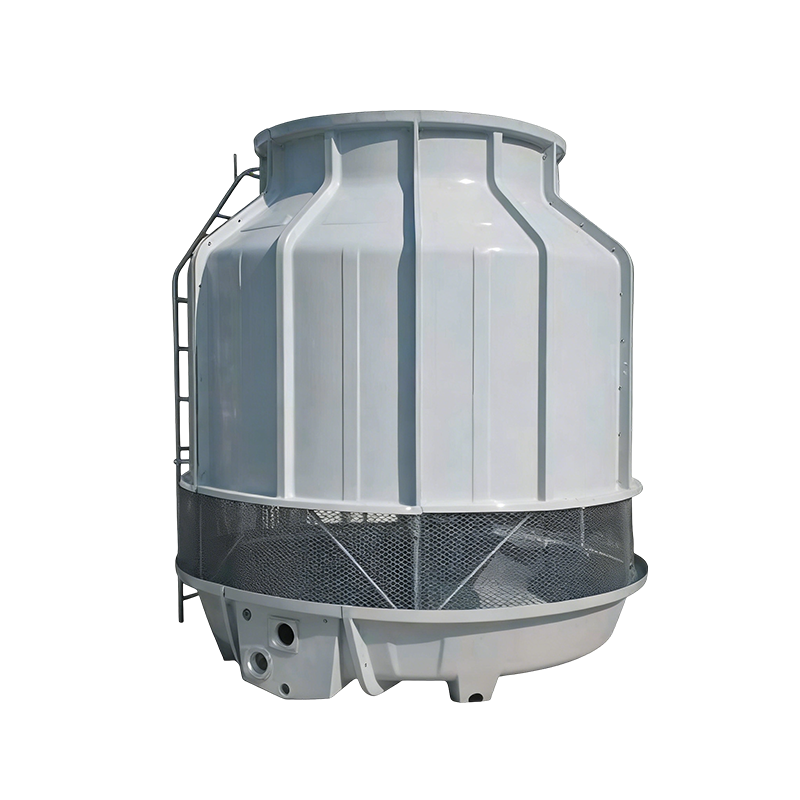
Cooling Tower
Product options
·Optimisation of structure modelling, shape size is small, lightweight, and four weeks of the wind, less restricted by decorate venues.
·The tower body USES the high strength of FRP composite material production, anti-aging, corrosion resistance, no deformation, no faded.
·All metal parts manufactured thickened just material, and galvanized or painted anticorrosive.
·The water tower adopts the automatic rotating sprinkler can evenly spray the water to the every corner of the packing corrosion resistant, non-clogging, high efficiency.


Derived from authentic European technology.
Ensuring the core technological prowess of our products.
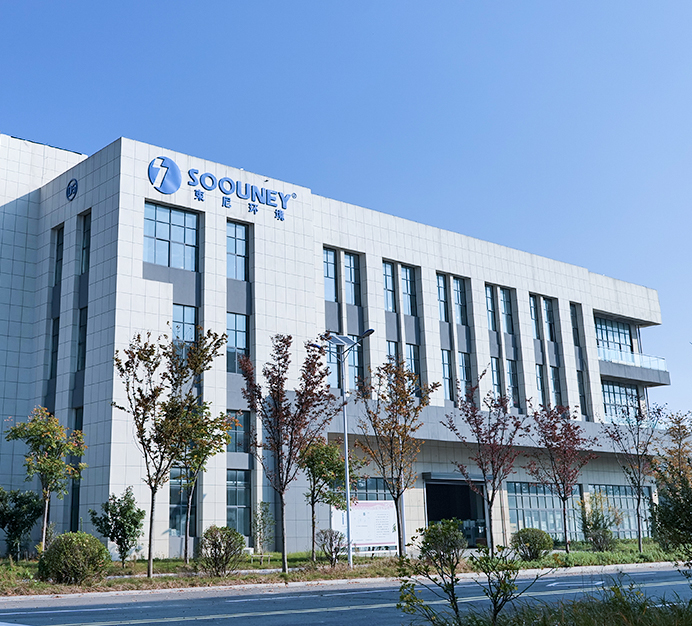


Shanghai Soouney Refrigeration Equipment Co., Ltd. is a large-to-medium-sized high-tech enterprise within Shanghai's refrigeration sector, integrating research, development, production and sales. We are China Corrosion Resistant High Efficient Industrial Standard Cooling Tower Suppliers and Wholesale Corrosion Resistant High Efficient Industrial Standard Cooling Tower Company. Upholding the quality principles of 'integrity, quality, service and innovation', the company pursues a development philosophy centred on humanisation and technological advancement, driving product R&D and manufacturing with high starting points and stringent standards. It has now grown into a renowned brand in the domestic and international markets for cabinet air conditioners and industrial chillers, earning high recognition from industry professionals and a broad customer base. Rooted in the Chinese market, it provides reliable refrigeration solutions to clients worldwide. We focus on international trade and B2B business, providing tailored solutions to global clients. We ensure the smooth, stable, and long-term operation of your projects with a comprehensive research and development, production, sales, and after-sales service system. We have nearly 20 years of experience in providing one-stop solutions for overseas projects.

Site Area

Established

Employees
The modern industrial landscape relies heavily on effective heat dissipation systems, and industrial standard cooling tower technology plays a pivotal role in maintaining operational stability. Cooling towers are critical components in various sectors, including manufacturing, power generation, and chemical processing, where efficient thermal management is required. A well-engineered industrial standard cooling tower not only ensures optimal temperature regulation but also extends the lifespan of critical machinery by preventing overheating. Shanghai Soouney Refrigeration Equipment Co., Ltd., a leader in industrial cooling solutions, integrates research, development, production, and sales to deliver high-quality, reliable equipment. Their expertise guarantees that each industrial standard cooling tower meets rigorous international standards, ensuring durability, corrosion resistance, and operational efficiency.
One of the core differentiators between open-circuit and closed-circuit cooling towers lies in their structural design and material application. Open-circuit towers allow direct contact between water and air, facilitating evaporative cooling. This design often utilizes high-strength FRP composite materials for the tower body, which offers anti-aging, corrosion resistance, and deformation-free performance. Metal components are thickened, galvanized, or coated to withstand long-term exposure to industrial environments. Conversely, closed-circuit towers use a sealed coil system, where the process fluid circulates inside tubes while air and water flow externally. This configuration minimizes contamination risk and is suitable for sensitive applications, such as chemical processes or high-purity cooling requirements. Both designs are optimized for compactness, lightweight construction, and adaptability to various environmental conditions.
Open-circuit, or wet cooling towers, function by spraying water over heat exchange surfaces, allowing direct contact with ambient air. The industrial standard cooling tower is equipped with an automatic rotating sprinkler system that ensures uniform water distribution across corrosion-resistant, non-clogging packing materials. The efficiency of heat transfer depends on the water-to-air contact area and the environmental conditions. Open-circuit towers are advantageous for applications with high thermal loads due to their superior heat dissipation capabilities. However, water quality management is essential, as direct water exposure may introduce scaling, biological growth, or mineral accumulation. Proper treatment and monitoring protocols enhance operational lifespan and maintain system efficiency.
Closed-circuit towers, also known as fluid coolers, operate by circulating process fluid within a closed loop. Heat is transferred to the air indirectly through a coil or tube bundle, which is wetted with recirculated water. This design significantly reduces contamination and water treatment requirements while maintaining controlled process fluid conditions. The industrial standard cooling tower in closed-circuit mode provides high efficiency with minimal maintenance demands, especially suitable for industrial applications where fluid purity is critical. Additionally, closed-circuit systems reduce water evaporation, making them more environmentally sustainable in regions with water scarcity.
Choosing between open-circuit and closed-circuit cooling towers requires evaluating operational priorities, environmental conditions, and maintenance capabilities. The table below summarizes the key distinctions:
| Feature | Open-Circuit Tower | Closed-Circuit Tower |
|---|---|---|
| Water-Air Contact | Direct contact, high heat transfer efficiency | Indirect contact through coil, reduced contamination risk |
| Maintenance | Frequent monitoring and water treatment required | Lower maintenance, minimal water treatment |
| Environmental Impact | Higher water consumption due to evaporation | Lower water consumption, more environmentally sustainable |
| Suitability | High thermal load applications | Process-sensitive applications, fluid purity critical |
| Corrosion Resistance | FRP and coated metals required | Coil protection and tower body resistant to corrosion |
Modern industrial standard cooling tower designs emphasize compactness, structural optimization, and adaptability. Towers can be deployed in constrained spaces due to their small footprint and lightweight construction. Shanghai Soouney Refrigeration Equipment Co., Ltd. provides solutions tailored to diverse industrial requirements, ensuring that each cooling tower integrates seamlessly with existing infrastructure. Advanced modeling optimizes airflow patterns and water distribution, enhancing overall performance. Additionally, the use of corrosion-resistant materials and thickened metal components ensures long-term reliability, even under continuous industrial operation.
Effective heat management requires seamless integration between the cooling tower and the broader industrial system. Open-circuit towers are typically compatible with high-capacity chillers or boilers where direct heat rejection is feasible. Closed-circuit towers, due to their sealed fluid design, are better suited for precision-controlled processes, including chemical, pharmaceutical, and electronics manufacturing. By utilizing industrial standard cooling tower systems from Shanghai Soouney Refrigeration Equipment Co., Ltd., industries benefit from an end-to-end approach that spans R&D, production, and post-installation support. This ensures operational stability, compliance with international standards, and tailored solutions for specific environmental and process conditions.
Efficiency in cooling towers is achieved through advanced design features such as automatic rotating sprinklers, non-clogging packing, and high-strength construction materials. Open-circuit towers maximize heat dissipation but require vigilant monitoring of water quality. Closed-circuit towers maintain process fluid integrity while offering high thermal efficiency and reduced water consumption. Shanghai Soouney Refrigeration Equipment Co., Ltd. continuously optimizes R&D processes to enhance tower performance, demonstrating responsive innovation capabilities. This focus on technological advancement ensures that the industrial standard cooling tower consistently meets high operational expectations, energy efficiency targets, and environmental considerations.
Regular maintenance is crucial to sustaining the longevity and efficiency of both open-circuit and closed-circuit cooling towers. Open-circuit towers require routine inspection of water quality, scaling, and biological control, while closed-circuit towers emphasize coil integrity and recirculation system efficiency. The industrial standard cooling tower is designed for ease of maintenance, featuring corrosion-resistant materials and structural robustness. Maintenance programs offered by Shanghai Soouney Refrigeration Equipment Co., Ltd. include comprehensive after-sales support, staff training, and standardized protocols to ensure sustained operational excellence.
Industrial cooling towers must adhere to environmental regulations, including water usage, discharge, and emissions. Closed-circuit towers offer a distinct advantage in minimizing water loss and reducing chemical treatment requirements. Open-circuit towers, while efficient, necessitate careful water management to comply with local standards. By employing industrial standard cooling tower solutions, industries can achieve regulatory compliance, operational reliability, and environmental sustainability. Shanghai Soouney Refrigeration Equipment Co., Ltd. emphasizes the importance of aligning cooling tower technology with international standards, providing high-performance solutions that are both technically sound and environmentally responsible.
The choice between open-circuit and closed-circuit cooling towers depends on application requirements, water availability, maintenance capability, and environmental considerations. Open-circuit towers excel in high thermal load scenarios, while closed-circuit towers are optimal for sensitive process fluids and sustainable operation. Leveraging the expertise of Shanghai Soouney Refrigeration Equipment Co., Ltd., industries can access advanced, reliable, and customizable industrial standard cooling tower solutions that ensure consistent performance, operational safety, and long-term efficiency.
The primary difference lies in water and air contact. Open-circuit towers allow direct contact, leading to higher heat transfer efficiency but requiring water treatment. Closed-circuit towers circulate the process fluid inside a sealed loop, reducing contamination risks and water treatment needs.
Material selection impacts durability, corrosion resistance, and thermal efficiency. Using FRP composites for tower bodies and thickened, coated metal parts ensures that the industrial standard cooling tower withstands environmental stress, maintains structural integrity, and operates reliably over time.
While closed-circuit towers offer controlled operation and reduced water use, open-circuit towers are generally more effective for extremely high thermal loads due to direct water-air contact and higher heat transfer rates.
The company integrates R&D, production, and sales while adhering to strict international standards. They optimize structural design, material selection, and operational efficiency to deliver reliable, high-performance industrial standard cooling tower solutions suitable for diverse industrial applications.
Routine inspection, water quality monitoring, scaling prevention, and coil integrity checks are essential. Both open-circuit and closed-circuit towers benefit from preventive maintenance programs and training, ensuring sustained performance and operational safety.
 Email: [email protected]
 Whatsapp: +86 18921753771
 Mobile Phone : +86-18921753771
 Telephone: +86-021-58223918
 No. 128 Hui'an Road, Fengxian District, Shanghai, China