English
 Español
0
Site Area


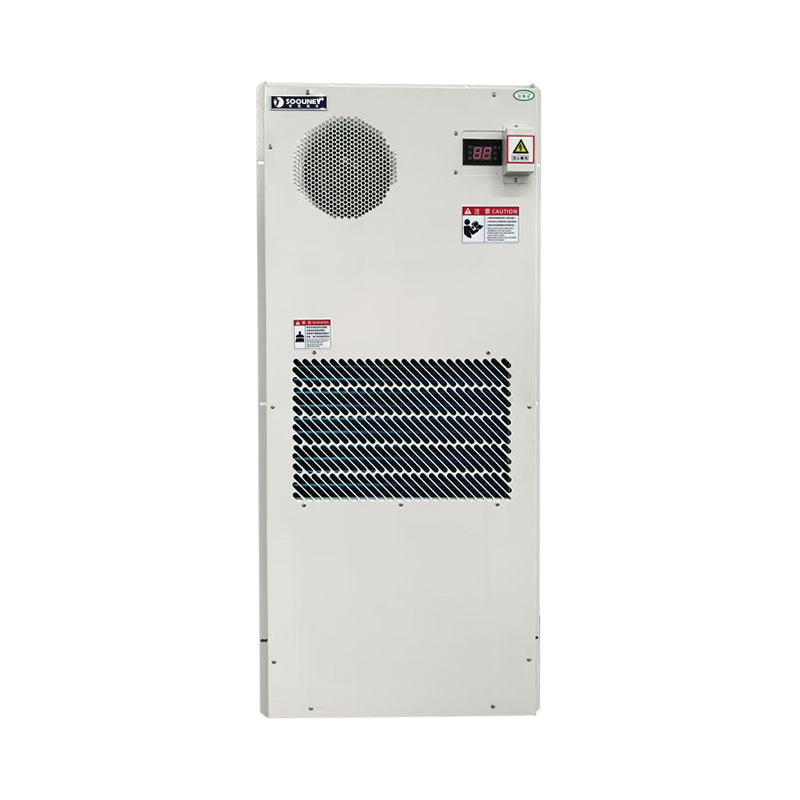
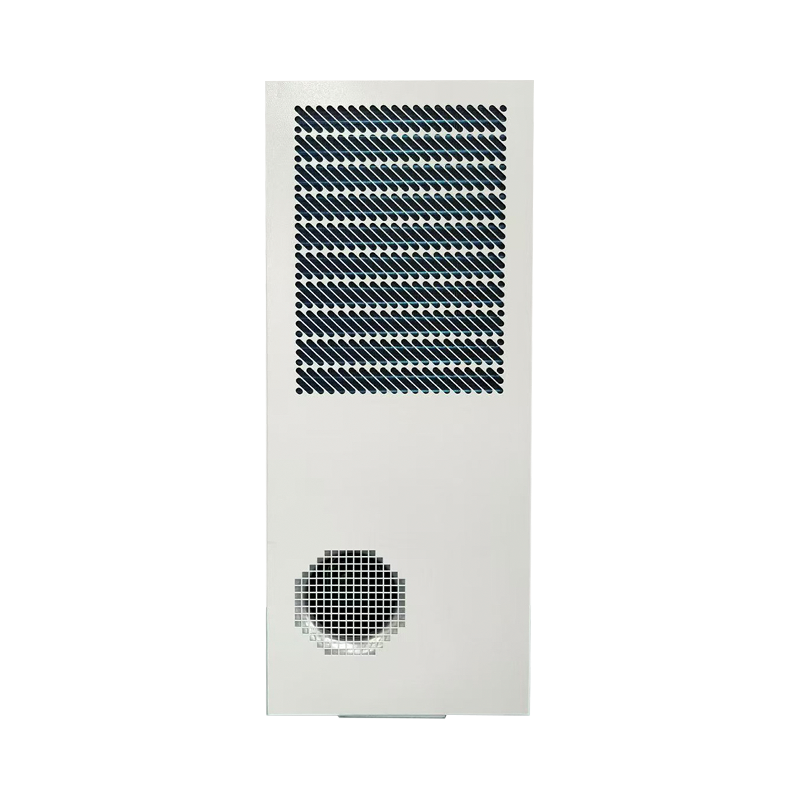
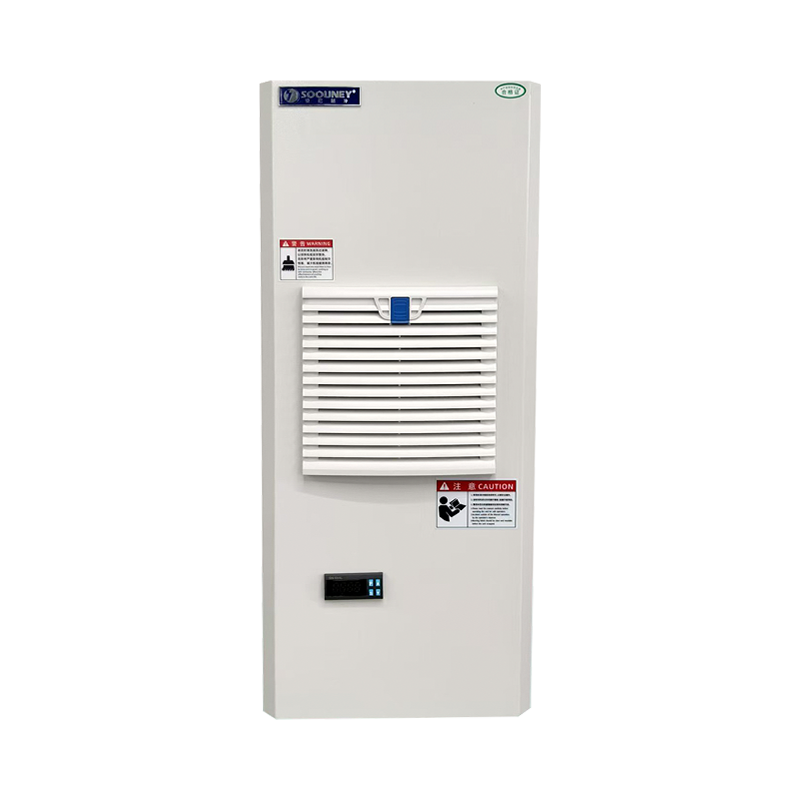
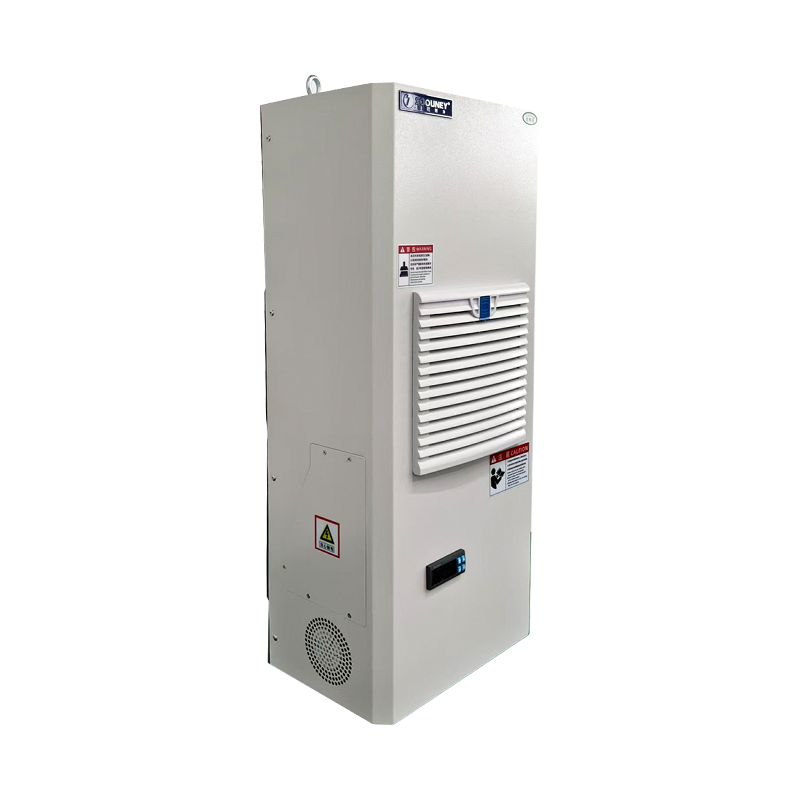
Indoor Cabinet Air Conditioner
Product Features
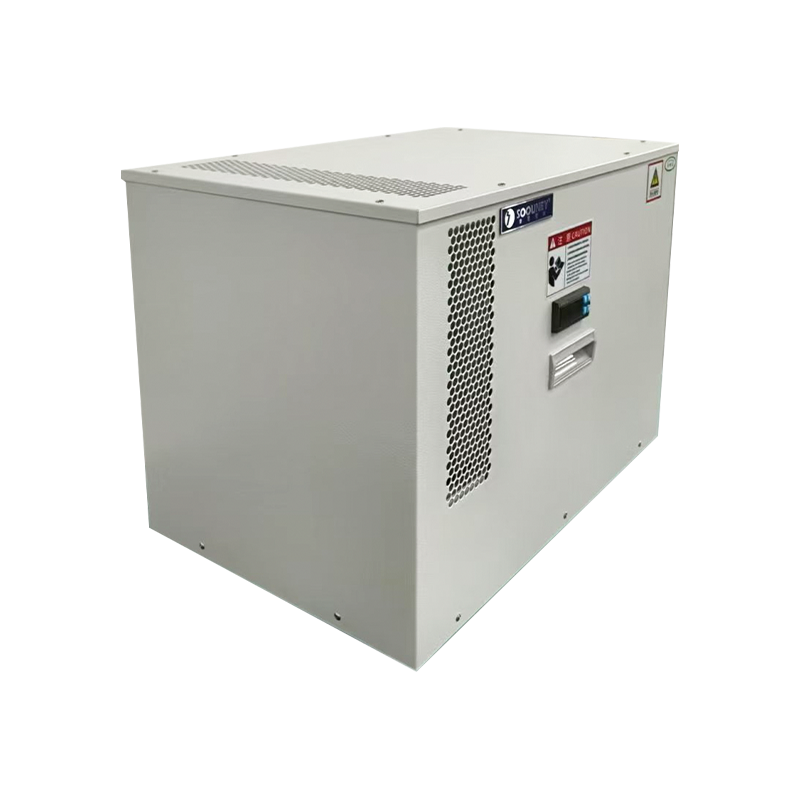
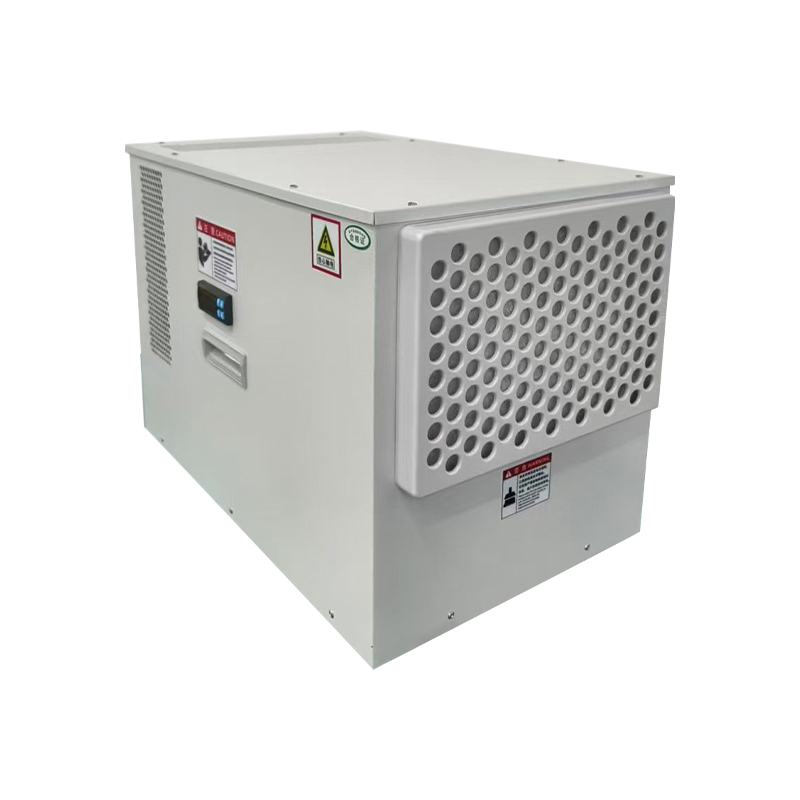
·Mounting Structure: A top-mounted design fits within the ceiling space of a standard 19-inch cabinet, eliminating the need for additional equipment room space.
·Cooling Method: Active cooling is achieved through a built-in compressor, transferring heat from the cabinet to the external environment through refrigerant circulation.
·Air Duct Design: Front-to-back airflow, top-outlet airflow, or a similar circulation path creates a closed, efficient heat dissipation duct, preventing mixing of air inside and outside the cabinet.
·Control System: Integrated microprocessor-based temperature and humidity controller with user-configurable alarm parameters and a self-check function for operating status.
·Filter Design: Standard dust filter traps airborne particulate matter, reducing the risk of dust accumulation on equipment inside the cabinet.
Product Advantages
·Space Utilization: The top-mounting method eliminates the need for equipment mounting units within the cabinet, preserving the standard cabinet deployment capacity.
·Efficient Heat Dissipation: The active cooling system can handle higher heat loads, maintaining the cabinet temperature below the ambient temperature compared to fan-only cooling solutions.
·Environmental Isolation: The closed circulation system reduces the cabinet temperature while effectively blocking the intrusion of external moisture and dust, improving the consistency of the operating environment for equipment within the cabinet.
·Stable Operation: By maintaining the cabinet temperature within the acceptable operating range for electronic components, equipment performance degradation or unexpected shutdowns due to overheating are reduced.
·Centralized Management: Standard models typically support an RS485 communication interface, enabling integration into a dynamic environmental monitoring system for centralized temperature monitoring and fault alarms.
Applications
Top-mounted cabinet air conditioners are primarily used where independent, precise temperature control is required for enclosed cabinets. Common applications include:
·Data Centers: Used for auxiliary cooling in network cabinets and server cabinets, supplementing room-level air conditioner.
·Communication Systems: Ensure stable operation of components within outdoor communication base stations and transmission node cabinets.
·Industrial Automation: Create a suitable working environment for PLC control cabinets, inverter cabinets, servo drive cabinets, and other equipment on production lines.
·Medical and Laboratory Applications: Maintain constant temperature and humidity conditions in precision instrument cabinets and imaging equipment control cabinets.


Derived from authentic European technology.
Ensuring the core technological prowess of our products.
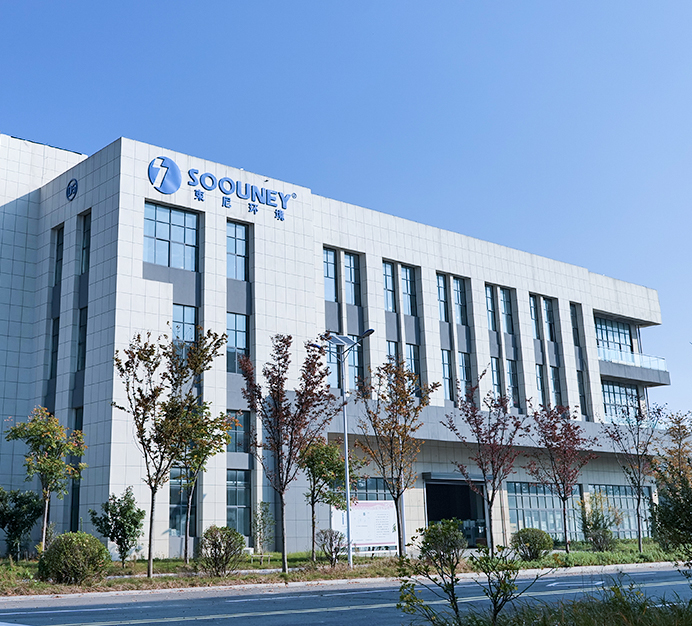


Shanghai Soouney Refrigeration Equipment Co., Ltd. is a large-to-medium-sized high-tech enterprise within Shanghai's refrigeration sector, integrating research, development, production and sales. We are China Top Mounted Cabinet Air Conditioner Suppliers and Wholesale Top Mounted Cabinet Air Conditioner Company. Upholding the quality principles of 'integrity, quality, service and innovation', the company pursues a development philosophy centred on humanisation and technological advancement, driving product R&D and manufacturing with high starting points and stringent standards. It has now grown into a renowned brand in the domestic and international markets for cabinet air conditioners and industrial chillers, earning high recognition from industry professionals and a broad customer base. Rooted in the Chinese market, it provides reliable refrigeration solutions to clients worldwide. We focus on international trade and B2B business, providing tailored solutions to global clients. We ensure the smooth, stable, and long-term operation of your projects with a comprehensive research and development, production, sales, and after-sales service system. We have nearly 20 years of experience in providing one-stop solutions for overseas projects.

Site Area

Established

Employees
In modern industrial environments, maintaining stable thermal conditions within enclosed electrical cabinets is critical for ensuring equipment reliability and operational continuity. With the increasing integration of high-density electronic components, thermal loads within cabinets have risen significantly, requiring more advanced cooling strategies. Among these strategies, the structural positioning of air conditioning units plays a decisive role in optimizing heat dissipation performance.
A top mounted cabinet air conditioner represents a specialized cooling solution designed to align with natural heat convection principles. Since hot air naturally rises, positioning the cooling unit at the top of the cabinet allows for more effective extraction of accumulated heat. In contrast, bottom-mounted systems rely more heavily on forced airflow, which may introduce inefficiencies under certain load conditions. This distinction forms the foundation for evaluating which configuration is more suitable for natural convection-driven cooling.
Understanding the operational mechanisms of both configurations is essential for a balanced comparison. A top mounted cabinet air conditioner typically integrates a compressor-based active cooling system. Heat is absorbed from the internal cabinet air and transferred to the external environment through refrigerant circulation. The system often incorporates a closed-loop airflow design, preventing contamination from external dust and humidity.
In contrast, bottom-mounted systems are installed at the base of the cabinet and push cooled air upward. While this method can distribute cool air effectively, it may struggle to counteract the natural upward movement of hot air, especially in high heat load scenarios. As a result, top-mounted solutions tend to align more closely with the natural thermal gradient within the cabinet, reducing energy consumption and improving cooling consistency.
The structural and functional design of a top mounted cabinet air conditioner is engineered to maximize efficiency while minimizing spatial intrusion. These systems are designed to fit within the ceiling space of a standard 19-inch cabinet, eliminating the need for additional external mounting structures. This approach preserves internal cabinet capacity, allowing for higher equipment density without compromising airflow.
These design elements collectively contribute to a stable and controlled internal environment, which is particularly important for mission-critical applications such as data processing and industrial automation.
Natural heat convection is a fundamental principle in thermal dynamics, where warmer air rises and cooler air descends. In enclosed cabinets, this creates a vertical temperature gradient, with the highest temperatures typically found near the top. A top mounted cabinet air conditioner leverages this phenomenon by directly capturing and removing the hottest air layer.
Bottom-mounted systems, on the other hand, must work against this الطبيعي convection flow. While they can still provide adequate cooling, they often require higher fan speeds or additional airflow management components to achieve similar results. This can lead to increased energy consumption and potential airflow turbulence within the cabinet.
Therefore, from a thermodynamic perspective, top-mounted configurations offer a more natural and efficient pathway for heat removal, particularly in high-density or high-load environments.
| Parameter | Top-Mounted System | Bottom-Mounted System |
|---|---|---|
| Heat Removal Efficiency | High, aligns with natural convection | Moderate, requires forced airflow |
| Energy Consumption | Lower under high heat loads | Higher due to airflow resistance |
| Installation Space | No additional cabinet space required | May reduce internal usable space |
| Dust and Moisture Protection | Closed-loop system with filters | More exposure depending on design |
| Maintenance Accessibility | Top access required | Easier ground-level access |
The table illustrates that top-mounted systems generally outperform bottom-mounted units in terms of thermal efficiency and environmental control, especially in demanding industrial settings.
The adoption of top mounted cabinet air conditioner systems is widespread across multiple industries where precise thermal management is essential. In data centers, these units are often used to supplement room-level cooling by targeting individual server racks. This localized cooling approach enhances overall system reliability and reduces the risk of thermal hotspots.
In communication infrastructure, such as outdoor base stations, top-mounted systems provide consistent temperature regulation despite fluctuating environmental conditions. Industrial automation environments also benefit significantly, as control cabinets housing PLCs, inverters, and servo drives require stable operating temperatures to maintain accuracy and performance.
Medical and laboratory equipment further highlight the importance of controlled environments. Maintaining consistent temperature and humidity levels ensures the accuracy of sensitive instruments and prolongs their service life.
The development and optimization of top mounted cabinet air conditioner solutions are closely linked to advancements in manufacturing and research capabilities. Shanghai Soouney Refrigeration Equipment Co., Ltd. has established itself as a key contributor in this domain, offering integrated solutions that combine design, production, and system integration.
Shanghai Soouney Refrigeration Equipment Co., Ltd. is a large-to-medium-sized high-tech enterprise within Shanghai's refrigeration sector, integrating research, development, production and sales. Its commitment to aligning product performance with international standards is reflected in the design of cabinet air conditioning systems that prioritize efficiency, durability, and adaptability.
By leveraging European-derived technology and localized engineering expertise, the company ensures that its cooling systems meet the complex demands of modern industrial environments. This includes the ability to customize solutions for specific operating conditions, such as high ambient temperatures or variable load profiles.
Ensuring long-term performance stability requires more than just initial design excellence. Shanghai Soouney Refrigeration Equipment Co., Ltd. implements a comprehensive quality management system that spans the entire product lifecycle. From component selection to final testing, each stage is governed by strict standards to ensure consistent output.
The integration of digital traceability and smart manufacturing systems allows for real-time monitoring of production quality. This approach not only enhances product reliability but also facilitates rapid response to customer feedback and evolving market requirements.
In addition, regular training programs and process optimization initiatives contribute to continuous improvement in manufacturing techniques. These efforts ensure that each top mounted cabinet air conditioner delivered meets the expectations of performance, safety, and durability.
Selecting between top-mounted and bottom-mounted cabinet air conditioning systems depends on specific application requirements. However, when evaluated through the lens of natural heat convection, top-mounted configurations offer a more efficient and logically aligned solution. Their ability to directly remove rising गर्म air, combined with advanced airflow design and environmental isolation, makes them particularly suitable for high-performance applications.
Shanghai Soouney Refrigeration Equipment Co., Ltd. continues to refine its product offerings to address these challenges, ensuring that each system delivers reliable and consistent performance across diverse industrial scenarios. The strategic integration of design, technology, and quality control positions top-mounted systems as a preferred choice for modern cabinet cooling.
The primary advantage is its alignment with natural heat convection, allowing it to remove hot air more efficiently from the upper section of the cabinet, resulting in improved cooling performance.
Yes, these systems use compressor-based active cooling, enabling them to manage higher heat loads compared to passive or fan-based cooling solutions.
They are commonly used in outdoor communication cabinets due to their closed-loop design, which prevents dust and moisture intrusion while maintaining stable internal conditions.
A well-designed airflow path ensures efficient heat exchange and prevents mixing of internal and external air, which enhances cooling efficiency and protects internal components.
Industries such as data centers, telecommunications, industrial automation, and medical equipment manufacturing benefit significantly from precise and reliable cabinet cooling solutions.
 Email: [email protected]
 Whatsapp: +86 18921753771
 Mobile Phone : +86-18921753771
 Telephone: +86-021-58223918
 No. 128 Hui'an Road, Fengxian District, Shanghai, China