English
 Español
0
Site Area


Integrated Chiller
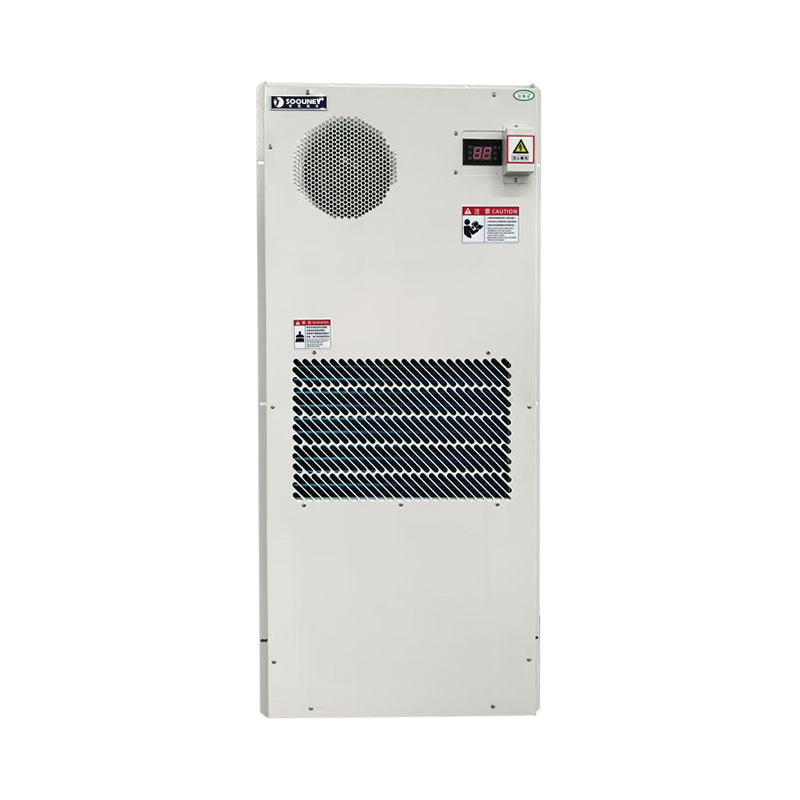
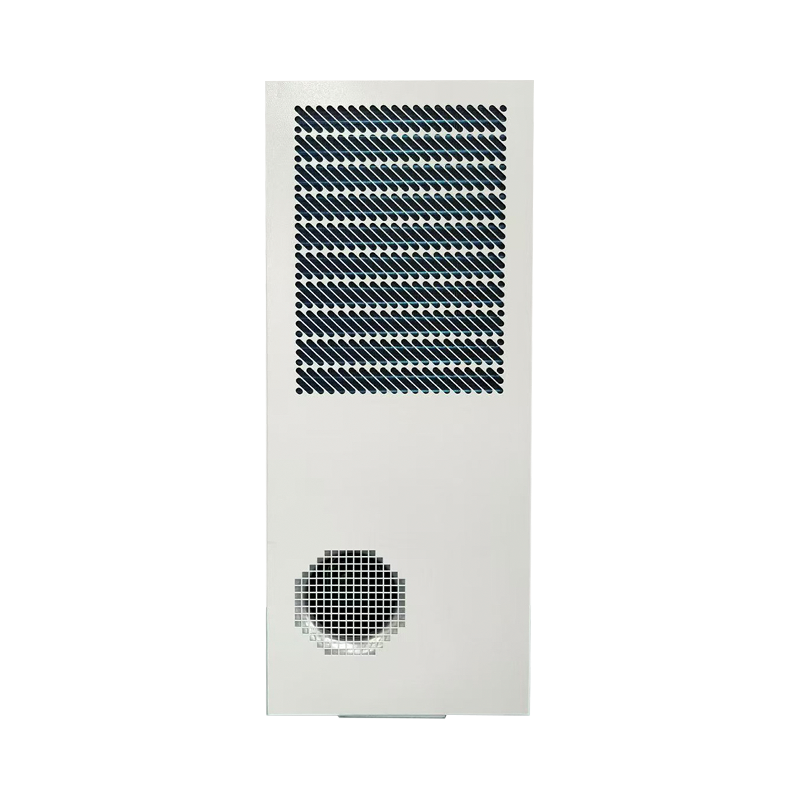
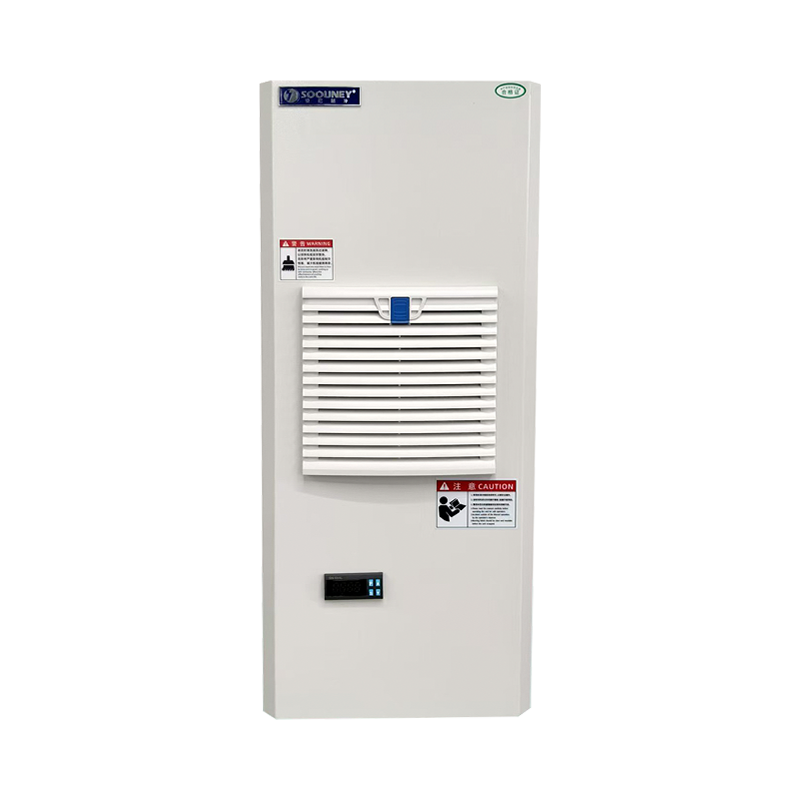
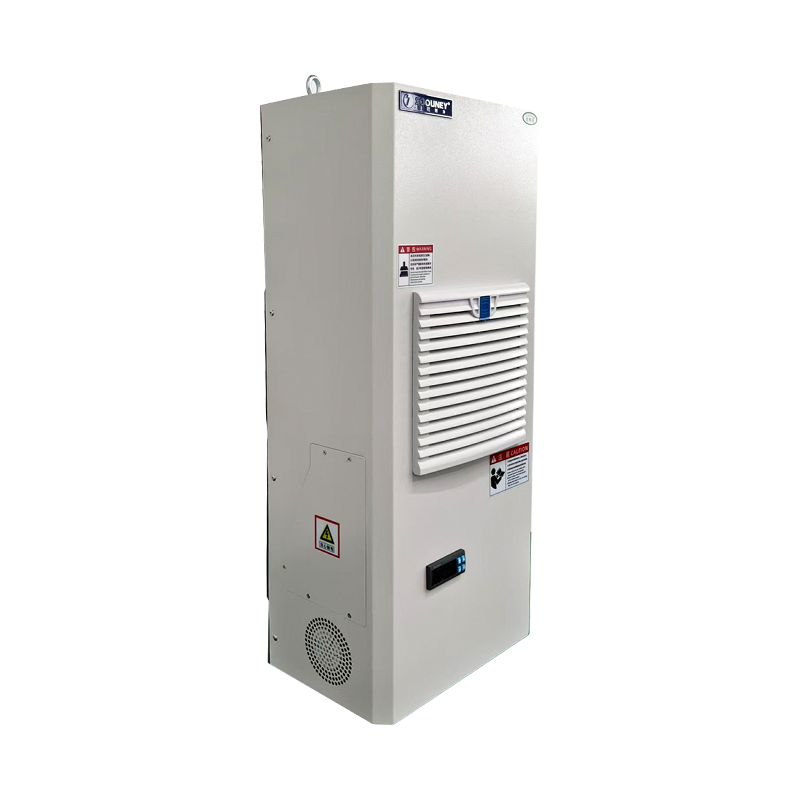
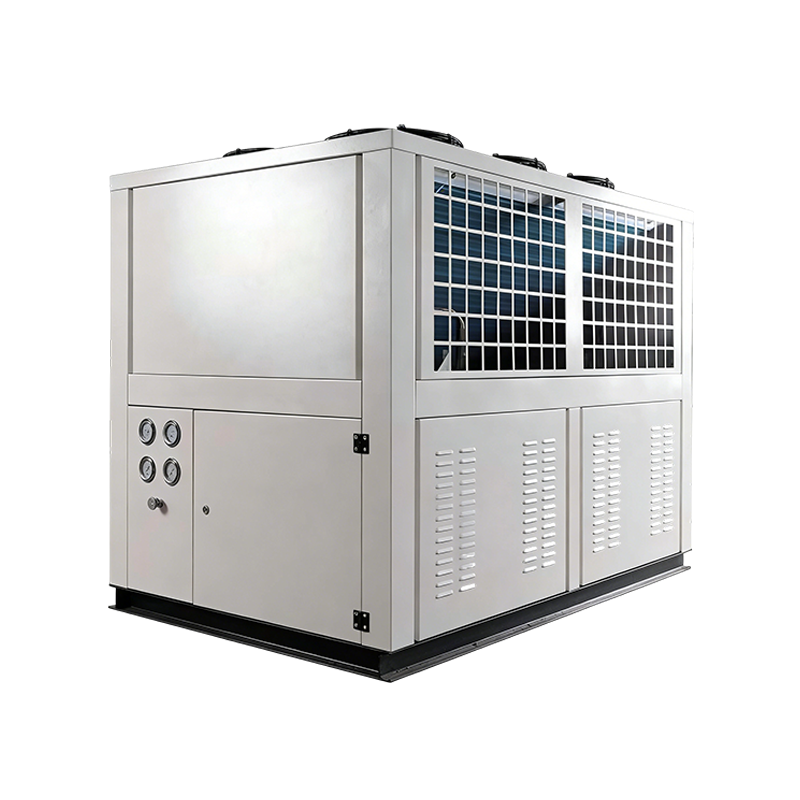
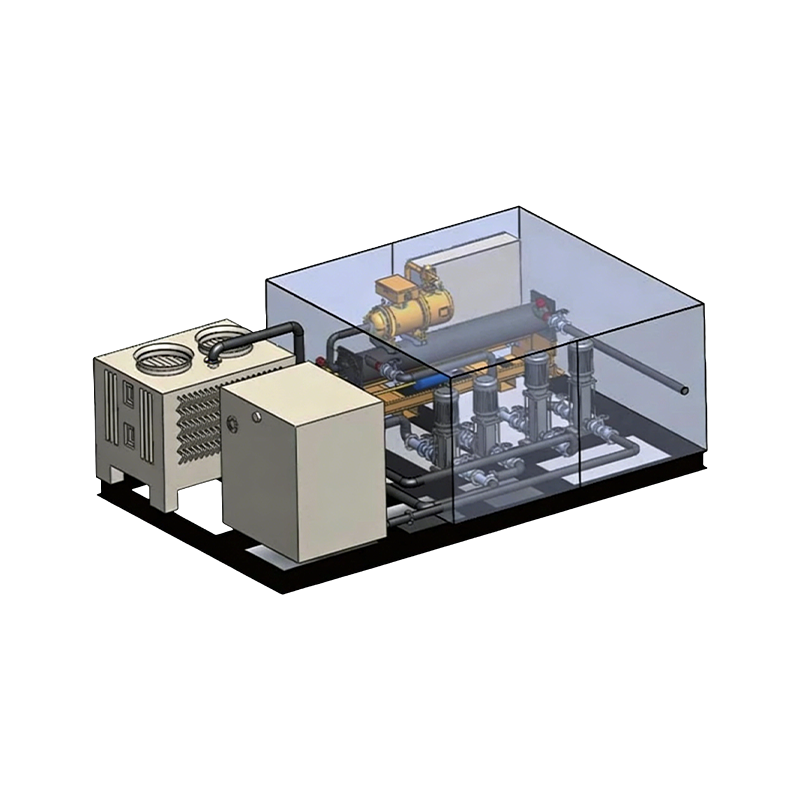
Integrated chiller units combine water-cooled chillers, refrigerant pumps, cooling towers, cooling pumps, cooling water piping, valves, instruments, and monitoring devices into a single unit. They offer advantages such as compact size, low noise, long service life, and simple operation.
Hydraulic Module
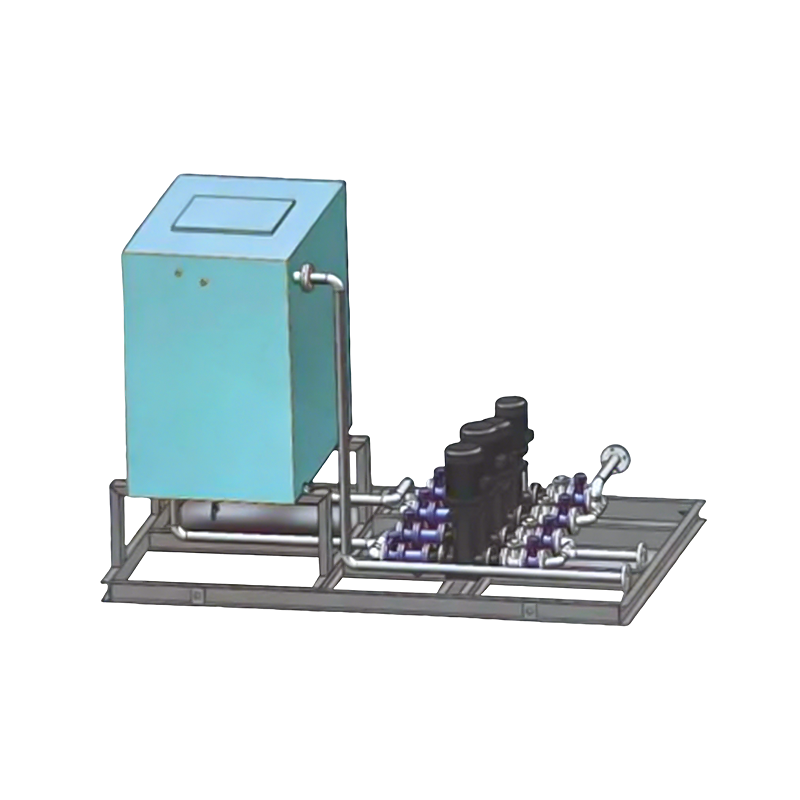
The hydraulic module integrates pumps, valves, filters, pump control cabinets, and virtually all ancillary components (excluding the main unit) into a single unit. This modular design enables rapid machine room assembly. Key benefits include: 1. Reduced floor space requirements; 2. Enhanced aesthetic appeal; 3. Simplified installation—factory-customized modules require only basic on-site assembly.
· System Stability & Space Efficiency
As an integrated unit, the hydraulic module minimizes data center footprint with its compact structure. Each module occupies minimal space and can be independently designed based on site conditions and customer requirements.
· Rapid Installation, Flexible Deployment
All components and piping within the hydraulic module are pre-assembled at the factory. On-site installation requires only connecting two water pipes to the water supply end, significantly reducing installation time and costs. With the addition of pulleys, the module can be relocated and deployed anywhere at any time.
· Specialized Design, Quality First
Core components undergo professional selection and design, followed by rigorous testing and debugging to ensure outstanding and reliable overall performance.
· Intelligent Control, Efficient and Safe
The hydraulic module system enables interlocked communication with host equipment. Intelligent control facilitates automatic seasonal switching and real-time operational monitoring, enhancing the stability of the entire engineering system.


Derived from authentic European technology.
Ensuring the core technological prowess of our products.
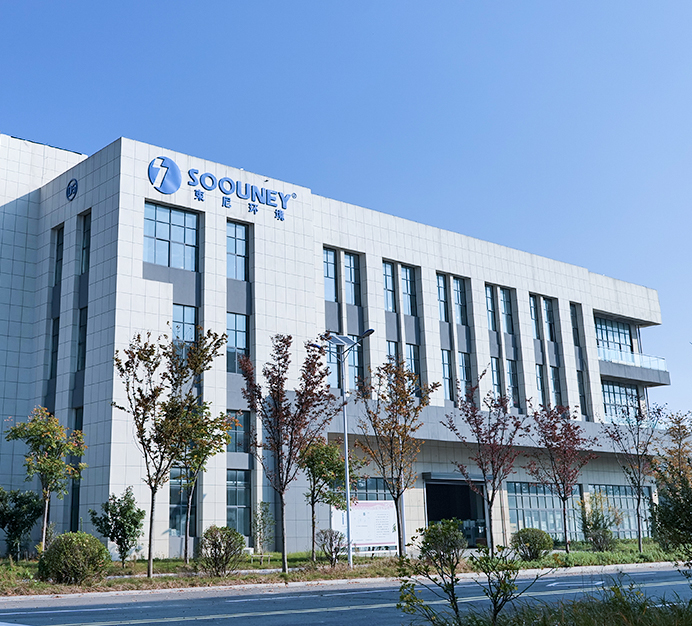


Shanghai Soouney Refrigeration Equipment Co., Ltd. is a large-to-medium-sized high-tech enterprise within Shanghai's refrigeration sector, integrating research, development, production and sales. We are China Small Size Low Noise Long Service Time Easy Operation Integrated Chiller Suppliers and Wholesale Small Size Low Noise Long Service Time Easy Operation Integrated Chiller Company. Upholding the quality principles of 'integrity, quality, service and innovation', the company pursues a development philosophy centred on humanisation and technological advancement, driving product R&D and manufacturing with high starting points and stringent standards. It has now grown into a renowned brand in the domestic and international markets for cabinet air conditioners and industrial chillers, earning high recognition from industry professionals and a broad customer base. Rooted in the Chinese market, it provides reliable refrigeration solutions to clients worldwide. We focus on international trade and B2B business, providing tailored solutions to global clients. We ensure the smooth, stable, and long-term operation of your projects with a comprehensive research and development, production, sales, and after-sales service system. We have nearly 20 years of experience in providing one-stop solutions for overseas projects.

Site Area

Established

Employees
In today's increasingly sophisticated and intelligent industrial equipment, noise control and cooling efficiency are no longer mutually exclusive choices. Especially in electronics manufacturing, medical equipment, laboratories, and high-end manufacturing, Low Noise Integrated Chillers are gradually becoming the mainstream choice.
Traditional industrial chillers often generate high noise levels during operation due to compressor vibration, fan airflow, and pipe resonance. While this may be acceptable in ordinary factory environments, in demanding settings such as semiconductor workshops or research laboratories, noise not only affects worker efficiency but can also interfere with the stable operation of precision instruments.
The emergence of low-noise integrated chillers addresses these pain points through optimized design. By improving the structure of core components, optimizing acoustics, and redesigning the overall layout, these devices reduce noise at its source, rather than simply relying on external sound insulation measures.
The term integrated refers not only to integrating various components into a single unit but, more importantly, to system-level collaborative optimization. The evaporator, condenser, compressor, and control system are highly integrated, achieving a shorter refrigerant flow path and a higher energy efficiency ratio.
The direct advantages of this design include:
More importantly, the integrated structure effectively reduces additional noise caused by piping vibration, resulting in smoother overall equipment operation.
Truly excellent low-noise chillers rely not only on a single technology but also on the synergistic effect of multiple factors.
The compressor typically uses a low-speed high-efficiency model, supplemented with vibration-damping brackets to effectively reduce the transmission of mechanical vibrations. The fan system reduces noise from airflow turbulence through optimized blade structure and duct design.
High-efficiency sound-absorbing materials are added inside the unit casing, attenuating sound as it propagates. This structural absorption significantly reduces overall operating noise.
The intelligent control system plays a crucial role. Through load regulation and variable frequency control, the equipment can adjust its operating status according to actual needs, avoiding unnecessary high-load operation. This not only reduces energy consumption but also further reduces noise output.
Many users believe that low-noise equipment often equates to "lightweight," potentially sacrificing durability. However, this concern is being dispelled by advanced manufacturing systems.
Shanghai Soouney Refrigeration Equipment Co., Ltd., through nearly two decades of technological accumulation, has deeply integrated high reliability with low-noise design. In material selection, corrosion-resistant and high-strength components are used. In manufacturing processes, stringent quality standards are strictly followed. In testing, each piece of equipment undergoes multi-dimensional performance verification.
This end-to-end control from R&D to production ensures that the equipment not only operates quietly but also offers longer service life and lower maintenance requirements. This stability is particularly important for industrial projects requiring long-term continuous operation.
Different countries and industries have significantly different needs for chillers, from voltage standards and ambient temperature to application-specific requirements, all of which demand highly adaptable equipment.
As a high-tech enterprise integrating R&D, production, and sales, Shanghai Soouney Refrigeration Equipment Co., Ltd. has mature experience in the international B2B field. The company not only provides standardized small low-noise integrated chillers but also offers customized solutions based on customer project needs, with flexible adjustments in system configuration and control logic.
This customization capability has enabled its products to be widely used in various industries worldwide, establishing a strong reputation in international markets.
For users, experience depends not only on performance but also on installation and maintenance convenience. Integrated chillers perform particularly well in this regard.
Due to high system integration, users only need to complete basic power and water connections to start operation, significantly shortening deployment cycles. At the same time, the equipment is typically equipped with an intelligent monitoring system that displays real-time operating status and fault information, making maintenance more intuitive and efficient.
Combined with a comprehensive after-sales service system, full-process support is provided from selection to long-term operation and maintenance, ensuring stable equipment performance over time.
With increasingly strict environmental regulations and rising user expectations, low-noise integrated chillers are evolving toward higher standards.
In this trend, technological innovation capability becomes the core competitiveness. Continuous R&D investment and structural optimization are essential for maintaining industry leadership.
They are widely used in medical equipment, laboratories, electronics manufacturing, laser systems, and other industrial environments with strict noise and stability requirements.
In most cases, integrated designs achieve higher energy efficiency due to optimized system structure, though actual performance depends on application conditions and configuration.
Depending on the model, operating noise is usually controlled between 50–65 dB, suitable for most noise-sensitive environments.
Yes. With extensive international project experience, customized solutions can be provided according to different standards and application requirements.
Under normal operating conditions, maintenance requirements are low, mainly consisting of periodic inspections and basic servicing, resulting in relatively low overall maintenance costs.
 Email: [email protected]
 Whatsapp: +86 18921753771
 Mobile Phone : +86-18921753771
 Telephone: +86-021-58223918
 No. 128 Hui'an Road, Fengxian District, Shanghai, China