English
 Español
0
Site Area


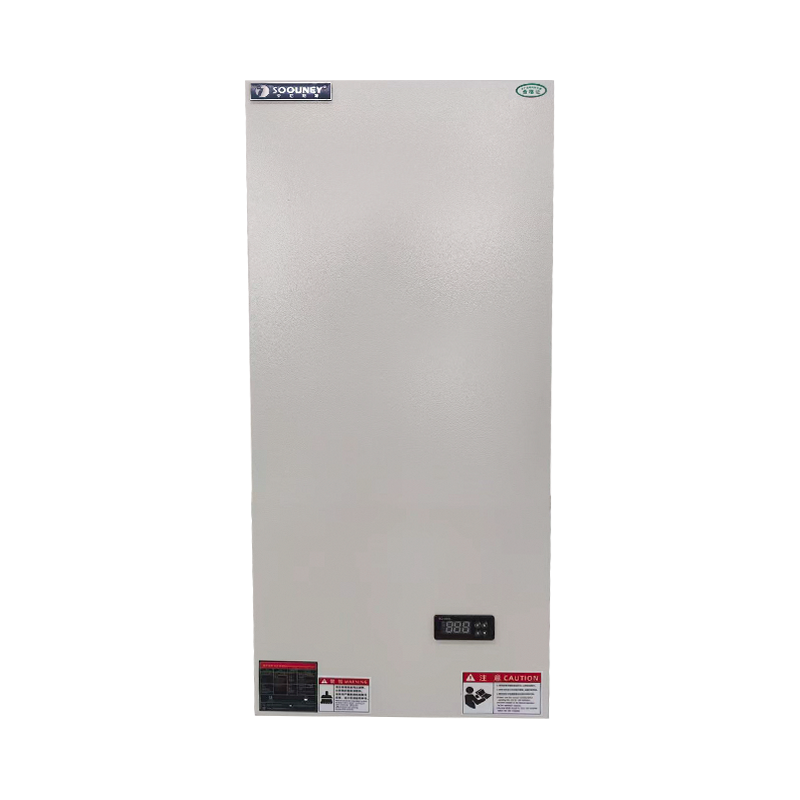
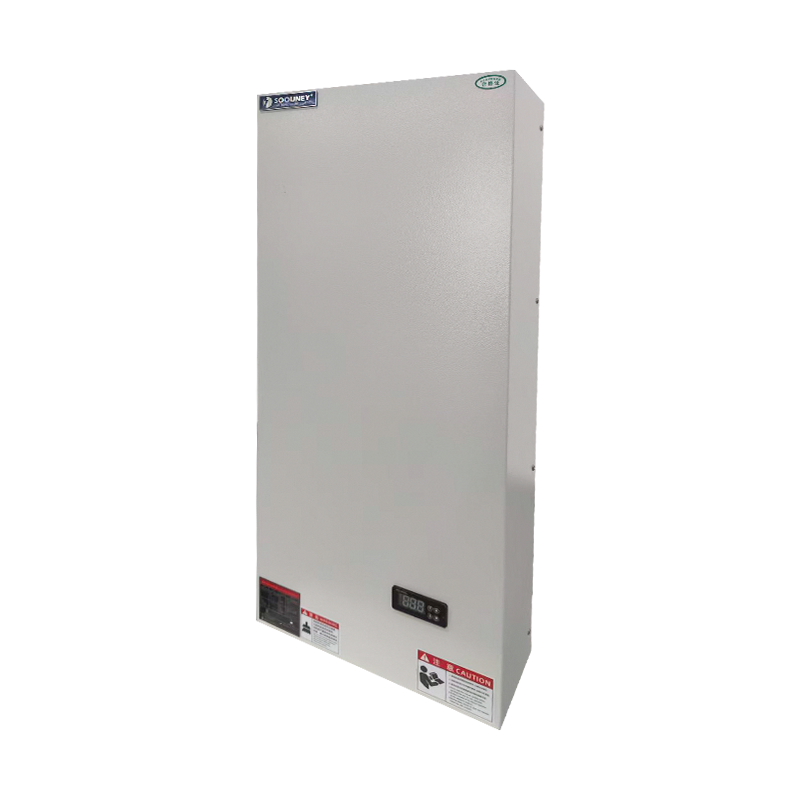
Water Heat Exchanger
Product Features
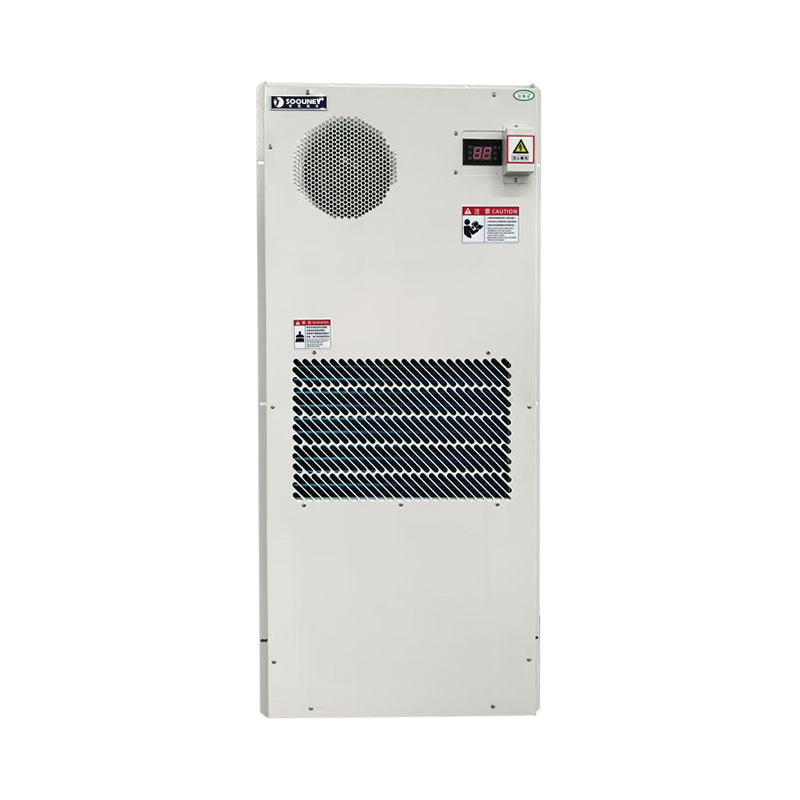
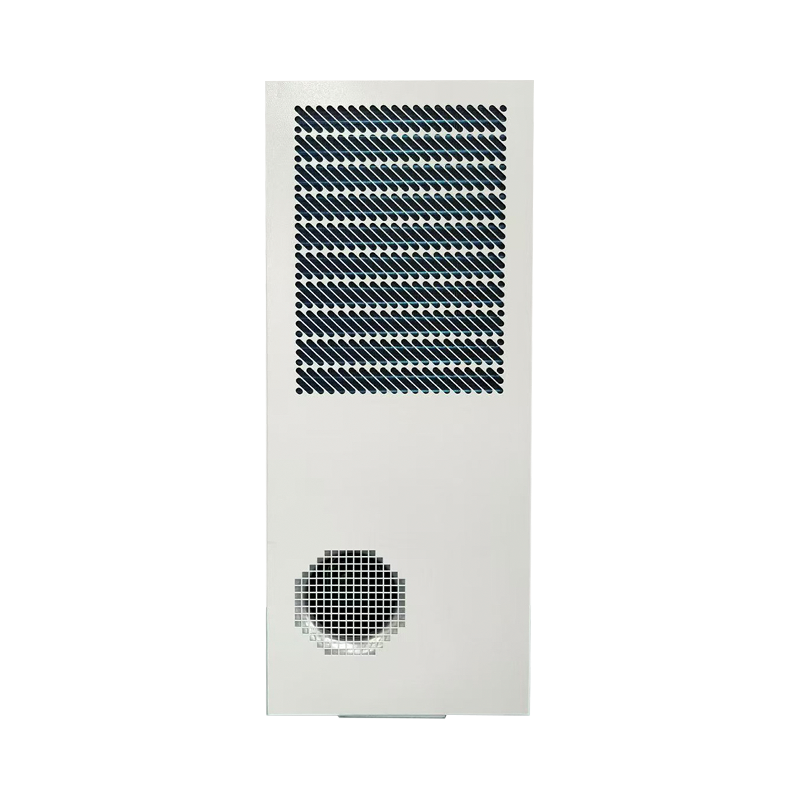
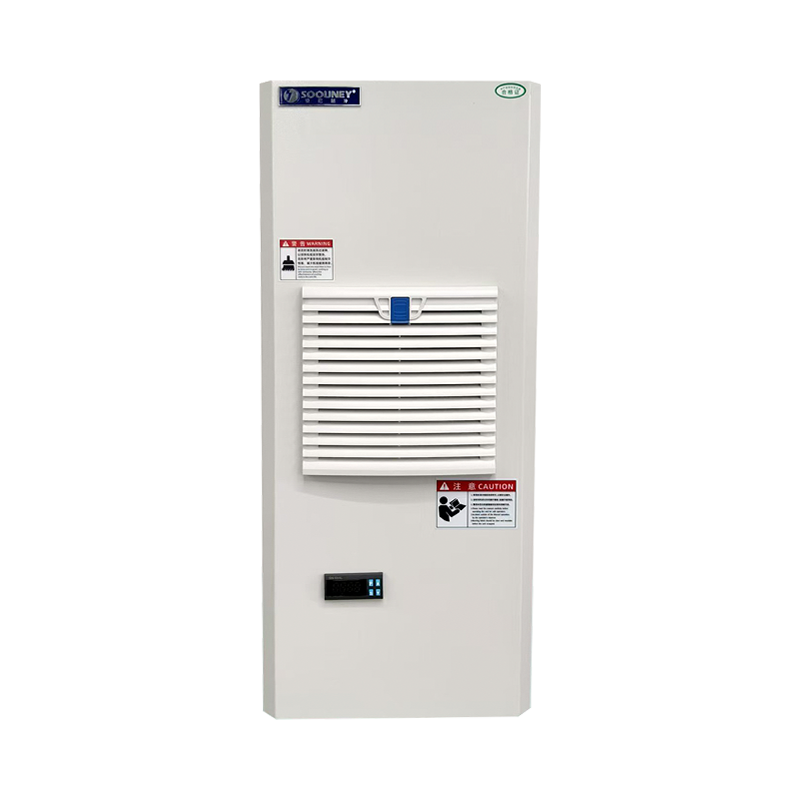
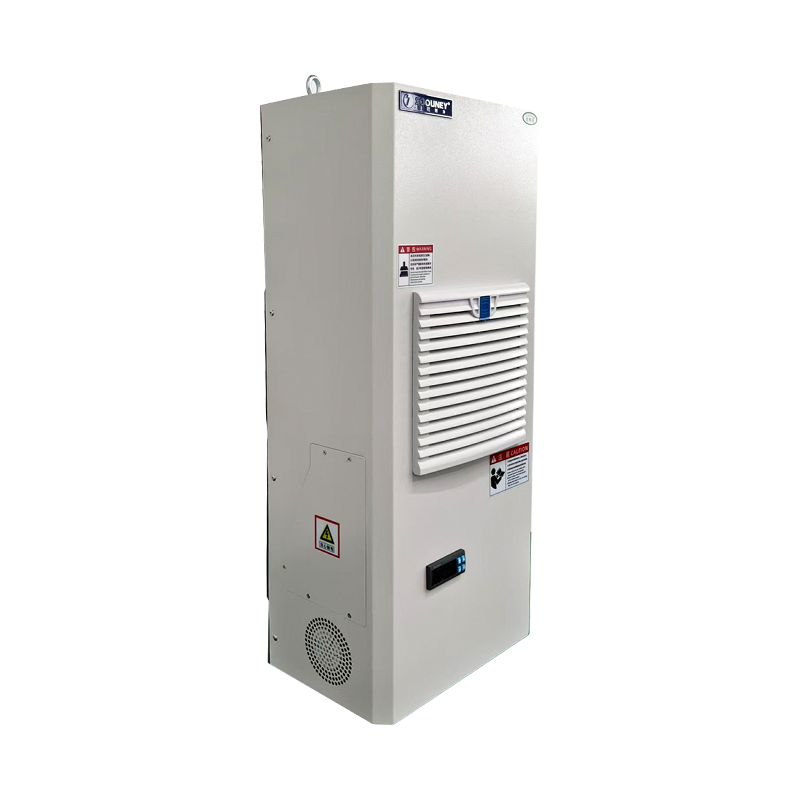
· Water-cooled radiator requires no maintenance, eliminating the hassle of frequent replacement and cleaning of intake air filters;
· On-site cooling water connection enables outstanding heat exchange performance;
· Simple piping connections ensure easy installation and maintenance;
· All internal piping components are made of pure copper, preventing internal rust and corrosion;
· Compact ultra-thin design with significantly increased cooling capacity despite its small footprint.
Application
Widely deployed in demanding environments across machine tools, data processing, telecommunications, finance, metallurgy, petrochemicals, construction materials, automotive, and defense sectors. Currently adopted by major domestic data centers and CNC machining centers. The superior performance and reliability of condensate-free electrical cabinet air conditioners are gaining recognition from an increasing number of high-end domestic and international clients.


Derived from authentic European technology.
Ensuring the core technological prowess of our products.
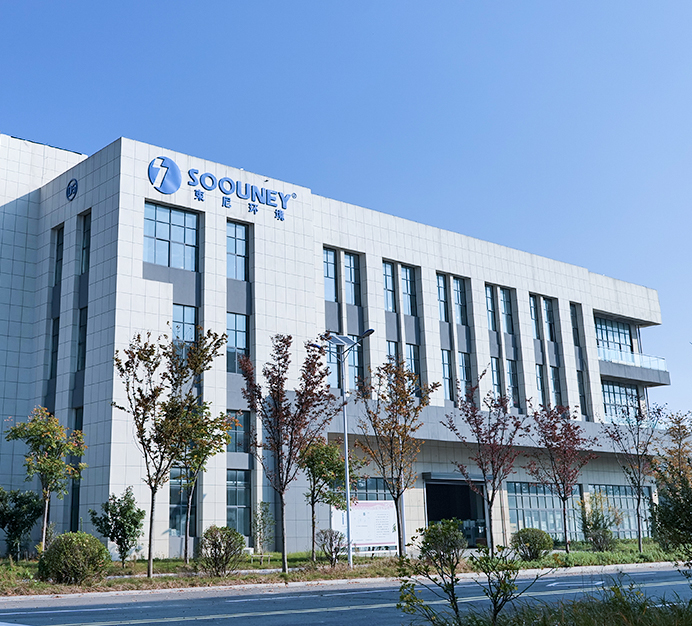


Shanghai Soouney Refrigeration Equipment Co., Ltd. is a large-to-medium-sized high-tech enterprise within Shanghai's refrigeration sector, integrating research, development, production and sales. We are China Maintenance Free Water Heat Exchanger Suppliers and Wholesale Maintenance Free Water Heat Exchanger Company. Upholding the quality principles of 'integrity, quality, service and innovation', the company pursues a development philosophy centred on humanisation and technological advancement, driving product R&D and manufacturing with high starting points and stringent standards. It has now grown into a renowned brand in the domestic and international markets for cabinet air conditioners and industrial chillers, earning high recognition from industry professionals and a broad customer base. Rooted in the Chinese market, it provides reliable refrigeration solutions to clients worldwide. We focus on international trade and B2B business, providing tailored solutions to global clients. We ensure the smooth, stable, and long-term operation of your projects with a comprehensive research and development, production, sales, and after-sales service system. We have nearly 20 years of experience in providing one-stop solutions for overseas projects.

Site Area

Established

Employees
In modern thermal management and industrial cooling systems, the concept of the maintenance free water heat exchanger has emerged as a significant evolution compared with conventional heat exchange technologies. Unlike traditional systems that rely heavily on periodic cleaning, disassembly, and chemical treatment, maintenance-free designs aim to reduce or eliminate routine servicing while maintaining stable heat transfer efficiency over extended operating cycles.
This shift is driven by increasing demands for energy efficiency, reduced downtime, and lower lifecycle costs across HVAC, refrigeration, and industrial process systems.
Traditional water heat exchangers typically operate through metal surface heat conduction between two fluid circuits. Over time, these surfaces are prone to fouling, scaling, and corrosion, especially in systems using untreated or semi-treated water. This leads to reduced thermal efficiency and frequent maintenance requirements.
In contrast, a maintenance free water heat exchanger is engineered to minimize fouling and material degradation through advanced structural design, enhanced surface treatment, and optimized flow dynamics. The goal is to maintain stable heat transfer performance without frequent manual intervention.
Key distinctions include:
The core innovation of maintenance-free systems lies in their structural engineering. Instead of relying solely on traditional tube-and-shell or plate configurations, modern designs integrate anti-fouling geometries and high-performance materials.
Typical improvements include:
These enhancements significantly reduce the dependency on mechanical cleaning or chemical flushing.
Material selection plays a crucial role in distinguishing advanced systems from conventional ones. While traditional exchangers often use standard copper or basic stainless steel, maintenance-free models incorporate higher-grade or specially treated materials.
Common material upgrades include:
These materials ensure consistent performance even under fluctuating water quality conditions.
The following table summarizes key differences between traditional systems and the maintenance free water heat exchanger concept:
| Aspect | Traditional Heat Exchanger | Maintenance Free Water Heat Exchanger |
|---|---|---|
| Fouling Resistance | Moderate to low | High due to anti-fouling design |
| Maintenance Requirement | Frequent cleaning required | Minimal or near-zero maintenance |
| Thermal Efficiency Stability | Declines over time | Maintains long-term stability |
| Material Selection | Standard metals | Advanced alloys and coated surfaces |
| Flow Design | Conventional laminar flow | Optimized turbulent flow |
| Operational Downtime | Higher due to servicing | Significantly reduced |
| Lifecycle Cost | Higher long-term cost | Lower overall lifecycle cost |
One of the most important advantages of maintenance-free systems is lifecycle optimization. Although initial investment may be higher, operational costs are significantly reduced due to fewer shutdowns and lower maintenance labor requirements.
Key efficiency benefits include:
These factors make maintenance-free systems particularly attractive in continuous industrial environments where downtime is costly.
The adoption of maintenance free water heat exchanger technology spans multiple industries that require stable and efficient thermal regulation.
Common application fields include:
In industrial refrigeration and chiller systems, integration with advanced equipment is particularly important. Shanghai Soouney Refrigeration Equipment Co., Ltd. has contributed to the development of high-performance refrigeration solutions. The company is a large-to-medium-sized high-tech enterprise within Shanghai's refrigeration sector, integrating research, development, production, and sales. It has become a recognized brand in both domestic and international markets for cabinet air conditioners and industrial chillers, earning strong recognition from industry professionals and a broad customer base.
The evolution toward maintenance-free thermal systems is closely linked to advancements in heat transfer engineering and industrial automation. High-efficiency design philosophies emphasize reducing human intervention while maximizing system stability.
Shanghai Soouney Refrigeration Equipment Co., Ltd. demonstrates this development approach by integrating research-driven innovation with production capability. The company follows a human-centered and technology-driven philosophy, continuously improving product performance and reliability. It also builds its technological foundation by referencing high-end European engineering standards, ensuring robust development at a high starting point.
In addition to Soouney, global industry players such as Alfa Laval and Kelvion have also contributed to advancements in compact heat exchanger technology, particularly in optimizing plate and shell designs for improved thermal efficiency and reduced fouling tendencies.
When selecting a maintenance free water heat exchanger, several technical and operational factors must be evaluated to ensure compatibility with system requirements.
Key considerations include:
Proper selection ensures that the system delivers consistent performance while minimizing long-term operational risks.
Modern industrial cooling systems increasingly rely on integrated thermal management solutions. Maintenance-free heat exchangers are often paired with high-efficiency chillers and HVAC systems to form a complete energy-optimized loop.
Shanghai Soouney Refrigeration Equipment Co., Ltd. supports this integration by providing industrial chillers and cabinet air conditioning systems designed specifically for stable thermal environments. This integration ensures the maintenance of heat exchange efficiency throughout the entire cooling cycle.
The transition from traditional systems to the maintenance free water heat exchanger represents a significant shift in thermal engineering philosophy. Instead of relying on frequent maintenance to sustain performance, modern designs focus on preventing performance degradation from the outset through advanced materials, optimized structures, and intelligent flow control.
1. What is a maintenance free water heat exchanger?
It is a heat exchanger designed to minimize or eliminate routine maintenance by reducing fouling, scaling, and corrosion through advanced materials and structural design.
2. How does it differ from traditional heat exchangers?
Unlike traditional systems that require frequent cleaning, maintenance-free models maintain stable performance for longer periods with minimal servicing needs.
3. What industries benefit most from this technology?
Industries such as HVAC, industrial refrigeration, data centers, and process cooling benefit significantly due to reduced downtime and improved efficiency.
4. Does it completely eliminate maintenance?
While it greatly reduces maintenance frequency, occasional inspection may still be required depending on operating conditions and fluid quality.
5. Is the initial cost higher than traditional systems?
Yes, but the reduced maintenance, energy savings, and longer lifespan often result in lower total lifecycle costs.
 Email: [email protected]
 Whatsapp: +86 18921753771
 Mobile Phone : +86-18921753771
 Telephone: +86-021-58223918
 No. 128 Hui'an Road, Fengxian District, Shanghai, China