
 English
 Español
Content
- 1 Introduction: Understanding Chiller Technologies
- 2 Fundamental Design Differences: Screw vs. Centrifugal Technology
- 3 Energy Efficiency and Operating Cost Analysis
- 4 Maintenance Requirements and Lifecycle Costs
- 5 Installation Flexibility and Physical Space Considerations
- 6 Reliability Metrics and Mean Time Between Failures
- 7 Application-Specific Performance: Use Case Analysis
- 8 Initial Capital Investment and Acquisition Cost
- 9 Environmental Considerations and Regulatory Compliance
- 10 Technical Service Support and Spare Parts Availability
- 11 Advanced Control Systems and Operational Optimization
- 12 Comparative Analysis Summary
- 13 Frequently Asked Questions
- 13.0.1 Q1: Do air cooled screw chillers require water treatment like water cooled systems?
- 13.0.2 Q2: Can screw chillers operate effectively in outdoor installations?
- 13.0.3 Q3: What is the typical lifespan difference between screw and centrifugal chillers?
- 13.0.4 Q4: Are screw chillers suitable for large capacity requirements exceeding 1,000 tons?
- 13.0.5 Q5: Do energy rebates justify the higher initial cost of screw chillers?
- 13.0.6 Q6: How do noise levels compare between technologies?
- 13.0.7 Q7: What happens if a screw chiller operates below minimum load conditions?
- 13.0.8 Q8: Are there applications where centrifugal chillers remain the optimal choice?
- 14 Conclusion: Making the Strategic Equipment Selection
Introduction: Understanding Chiller Technologies
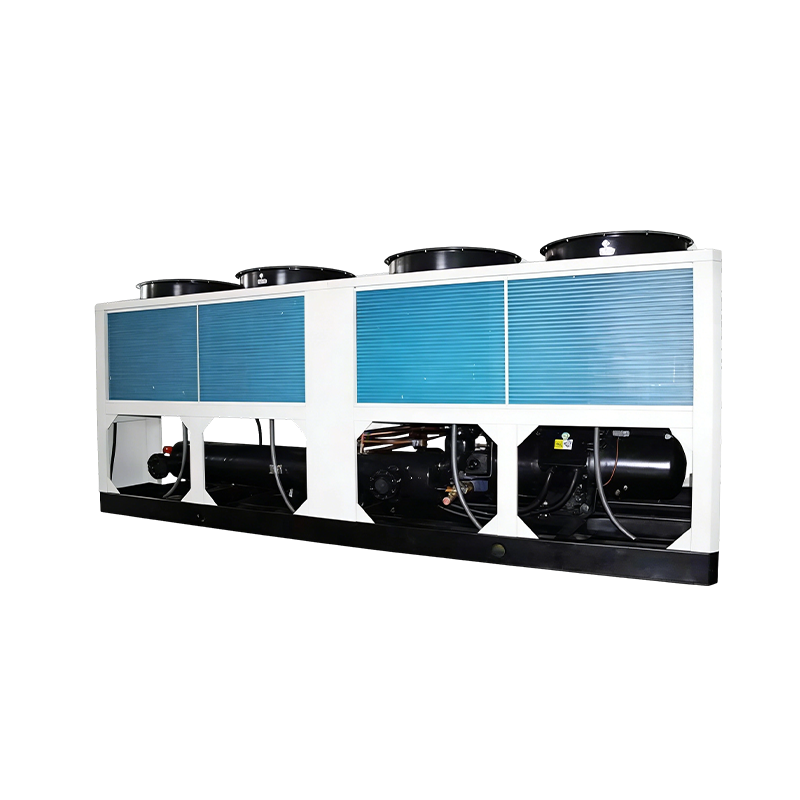
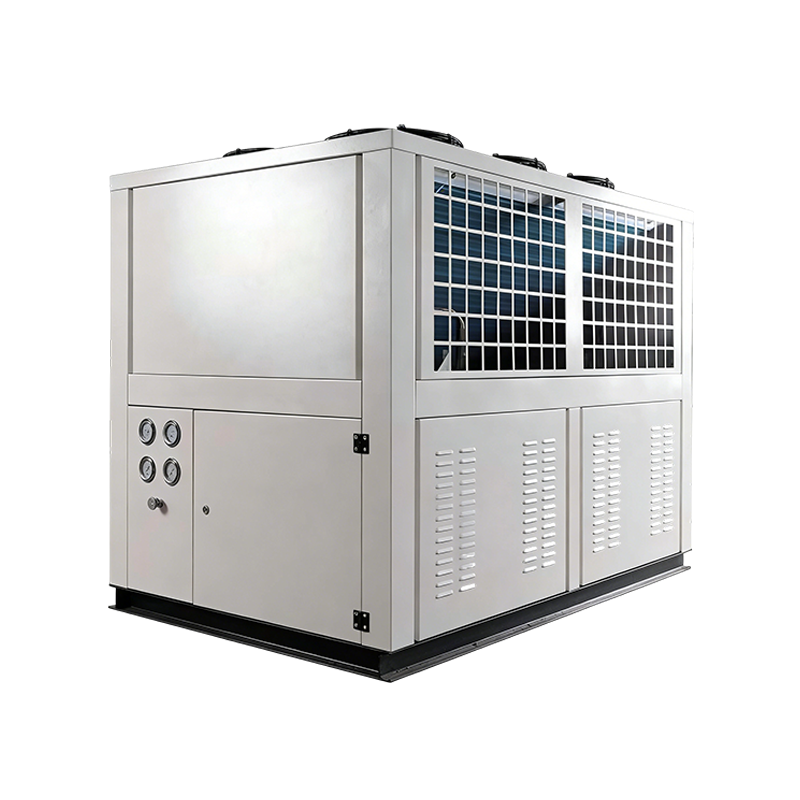
Industrial cooling systems represent one of the most critical infrastructure investments for manufacturing facilities, data centers, pharmaceutical production, and chemical processing operations. When selecting refrigeration equipment, facility managers face a fundamental decision: which chiller type best serves their operational requirements, budget constraints, and long-term maintenance capabilities. Two dominant technologies compete in this space—air cooled screw chillers and centrifugal chillers—each offering distinct advantages and limitations. This comprehensive analysis examines why an air cooled screw chiller increasingly emerges as the preferred solution for diverse industrial applications.
Fundamental Design Differences: Screw vs. Centrifugal Technology
Understanding the core mechanical differences between these technologies provides essential context for evaluating their performance characteristics. Centrifugal chillers employ impeller-based compressor designs, where rotating impellers increase refrigerant vapor velocity and pressure through centripetal force principles. Conversely, screw chillers utilize rotating helical screws that compress refrigerant through intermeshing grooves, creating distinct operational characteristics.
Compression Mechanism and Efficiency
Screw compressors operate through positive displacement principles, meaning each rotation delivers a fixed volume of refrigerant to the discharge port regardless of pressure conditions. This mechanism inherently provides superior part-load efficiency—when facility cooling demands fluctuate throughout operational cycles, screw units maintain stronger energy performance. Centrifugal designs, by contrast, exhibit significant efficiency degradation when operating below full-load capacity. For facilities experiencing variable cooling loads (typically 60-80% of peak capacity during average operation), screw technology demonstrates efficiency advantages of 15-25% according to industry performance data.
Operational Envelope and Flexibility
An air cooled screw chiller operates effectively across broader temperature and pressure ranges compared to centrifugal alternatives. Screw units tolerate variable inlet conditions without performance degradation, making them suitable for installations with inconsistent cooling water quality or fluctuating ambient temperatures. Additionally, screw compressors excel in partial-load conditions—a characteristic critical for industrial applications where cooling requirements vary seasonally or with production schedules.
Energy Efficiency and Operating Cost Analysis
Energy consumption represents the largest operational expense for chiller systems over their 15-20 year service lifetime. Selecting equipment with superior efficiency characteristics translates directly into substantial cost reductions and environmental benefits.
Full-Load Performance Comparison
At maximum capacity operation, both technologies approach similar efficiency levels. Modern screw and centrifugal chillers achieve comparable COP (Coefficient of Performance) ratings near full load. However, this equivalence represents only a fraction of actual operating hours. Most industrial facilities operate at or below 75% capacity for approximately 85-90% of annual operating time. This reality fundamentally changes the economic equation.
Part-Load Efficiency and Annual Cost Impact
Consider a practical scenario: A facility requiring 500 tons of refrigeration capacity operates at average load of 350 tons throughout the year. A screw chiller maintains strong efficiency at this 70% load condition, while a centrifugal unit experiences noticeable performance degradation. Over a 20-year operating period, accounting for electricity rates averaging $0.12 per kilowatt-hour, this efficiency differential translates to operational savings exceeding $150,000 for equivalent capacity systems. When multiplied across an entire facility with multiple chilling circuits, these savings become economically transformative.
Compressor Speed Variation Benefits
Modern screw chillers incorporate variable speed drive technology that automatically adjusts compressor rotation speed according to cooling demand. Centrifugal chillers typically rely on inlet guide vane modulation or capacity unloading mechanisms that prove less efficient than true speed variation. Variable frequency drives (VFD) on screw units enable energy consumption to scale nearly proportionally with load—further enhancing efficiency at part-load conditions.
Maintenance Requirements and Lifecycle Costs
Equipment maintenance directly impacts total cost of ownership and operational reliability. Screw and centrifugal technologies present substantially different service demands and vulnerability profiles.
Mechanical Robustness and Part-Count Complexity
Centrifugal compressors employ high-speed rotating impellers operating at velocities frequently exceeding 10,000 RPM. These elevated speeds demand precision bearing systems, complex sealing arrangements, and surge protection mechanisms. Any contamination, vibration, or pressure transient can trigger compressor surge—a destructive condition requiring emergency shutdown. Screw compressors operate at lower rotational speeds (3,000-6,000 RPM), tolerate minor contamination without failure, and feature simpler mechanical architecture. This fundamental design difference directly influences maintenance frequency and intensity.
Sealed Bearing Systems and Oil Management
Screw chillers utilize integrated oil management systems specifically engineered for screw compressor lubrication. These systems circulate lubricating oil that cools and protects the helical rotors, requiring routine filter changes and periodic oil analysis. Centrifugal compressors demand more complex oil supply systems with enhanced filtration and temperature control. Additionally, centrifugal bearing seals prove more susceptible to oil carryover and leakage. Practical experience across multiple industrial facilities demonstrates screw systems requiring 30-40% fewer unplanned service interventions compared to equivalent centrifugal installations.
Compressor Surge and Operational Instability
Centrifugal compressors operate within a relatively narrow capacity range and become unstable at very low loads. Compressor surge—where refrigerant flow reverses and creates destructive pressure pulsations—represents a significant operational hazard. Preventing surge requires sophisticated antisurc control systems and frequent capacity adjustment. Screw compressors inherently tolerate operation across the entire capacity spectrum without surge risk, eliminating this reliability concern entirely.
Installation Flexibility and Physical Space Considerations
Footprint and Weight Requirements
Screw chillers typically occupy substantially less floor space than equivalent-capacity centrifugal units. For a 300-ton refrigeration system, a screw chiller might require approximately 450 square feet of installation area, while a centrifugal alternative demands roughly 650 square feet. This space advantage proves particularly valuable in constrained facility environments such as existing data centers, pharmaceutical labs, or production facilities with limited mechanical room availability. Additionally, screw units generally weigh 20-30% less than centrifugal counterparts, reducing structural reinforcement requirements and lowering installation costs.
Vibration Isolation and Acoustic Considerations
Centrifugal compressors generate broadband noise across multiple frequency ranges due to impeller turbulence. Screw compressors produce more discrete, lower-frequency noise signatures. For installations in sensitive environments or locations requiring adherence to strict noise ordinances, screw technology demonstrates significant acoustic advantages. The lower vibration characteristics also reduce stress on mounting systems and surrounding structural elements.
Reliability Metrics and Mean Time Between Failures
Long-term reliability data accumulated across thousands of installations provides compelling evidence regarding technology performance differences. Screw chillers demonstrate superior mean time between failures (MTBF) metrics compared to centrifugal systems across diverse operational environments.
| Performance Metric | Air Cooled Screw Chiller | Centrifugal Chiller |
| Typical MTBF (hours) | 35,000 - 45,000 | 20,000 - 28,000 |
| Unplanned Maintenance Events/Year | 0.3 - 0.5 | 0.8 - 1.2 |
| Planned Maintenance Interval | 24-36 months | 12-18 months |
| Average Annual Maintenance Cost | $2,500 - $3,500 | $4,200 - $5,800 |
Temperature Excursion Tolerance
Screw chillers exhibit superior tolerance to temporary temperature excursions and transient system disturbances. When cooling demand suddenly decreases or condenser inlet temperature spikes momentarily, screw compressors adjust their internal compression ratio naturally without protective shutdown. Centrifugal units require immediate surge prevention intervention, potentially triggering unnecessary capacity reductions or emergency stops. This inherent robustness translates to fewer unplanned interruptions and enhanced overall system availability.
Application-Specific Performance: Use Case Analysis
Variable Load Applications: Manufacturing and Process Industries
Manufacturing facilities typically experience significant cooling load fluctuations corresponding to production schedules. Injection molding operations, extrusion lines, and chemical reactors all demand cooling capacity that varies throughout operational cycles. Screw chillers excel in these environments because their efficiency remains strong across the entire load spectrum. A facility operating at average 60% capacity achieves superior economics with screw technology, potentially reducing annual energy costs by 20-30% compared to centrifugal alternatives.
Continuous-Duty Applications: Data Centers and Server Rooms
Data center cooling loads remain remarkably consistent throughout day-night cycles, minimizing efficiency advantages of variable-speed screw systems. However, screw chillers still offer reliability benefits that prove valuable in mission-critical environments. The lower maintenance burden, reduced unplanned downtime probability, and broader operational envelope make screw systems attractive for data center applications despite their efficiency advantages being somewhat diminished.
Harsh Environment Installations: Outdoor and Ambient Temperature Extremes
Outdoor installations and facilities operating in extreme climates (tropical heat, high altitude, coastal salt-air environments) present unique challenges. Screw chillers demonstrate superior performance in these demanding conditions. Their tolerance for varying condenser inlet conditions, reduced sensitivity to refrigerant oil degradation, and mechanical robustness against environmental stressors make them the technology of choice for harsh-environment applications.
Initial Capital Investment and Acquisition Cost
A critical consideration for facility managers involves initial equipment acquisition costs. Centrifugal chillers typically offer lower upfront purchase prices—approximately 10-15% less than equivalent-capacity screw systems. This cost advantage explains their continued popularity in budget-constrained procurement decisions. However, a comprehensive lifecycle cost analysis incorporating operational expenses, maintenance expenditures, and equipment longevity typically demonstrates total ownership costs 25-35% higher for centrifugal systems compared to screw alternatives. The initial cost disadvantage of screw systems proves more than offset by superior operating economics and extended service life.
Financing and Economic Justification
For organizations with capital constraints, utility rebate programs frequently offset screw chiller acquisition cost premiums. Many regional utility companies offer substantial incentives for installing high-efficiency chillers, recognizing energy consumption reduction benefits. A 500-ton screw chiller project might qualify for $25,000-$40,000 in utility rebates, substantially reducing or completely eliminating the initial price disadvantage compared to centrifugal options. Additionally, energy performance warranties offered by many screw chiller manufacturers provide contractual assurance regarding efficiency performance, reducing operational risk.
Environmental Considerations and Regulatory Compliance
Environmental regulations increasingly shape industrial cooling equipment specifications. Energy efficiency improvements directly reduce facility carbon footprints and support sustainability objectives.
Refrigerant Compatibility and Environmental Impact
Modern screw and centrifugal chillers both utilize low-global-warming-potential (GWP) refrigerants that comply with evolving environmental regulations. However, screw chillers' superior efficiency means achieving equivalent cooling with less refrigerant circulation, reducing overall system charge requirements. This characteristic provides secondary environmental benefits beyond direct energy consumption reduction.
Energy Code Compliance
Building energy codes in developed nations increasingly mandate minimum equipment efficiency levels. Screw chillers readily exceed requirements in most jurisdictions, providing regulatory compliance assurance. Organizations expanding facilities or upgrading aging equipment should verify that proposed centrifugal systems meet current and anticipated future regulatory standards, as efficiency requirements continue becoming more stringent.
Technical Service Support and Spare Parts Availability
Access to qualified service technicians and replacement components significantly influences long-term operational success. Both screw and centrifugal chiller technologies maintain well-established service networks, though service availability varies geographically. Screw chiller spare parts generally prove simpler to fabricate and stock, with standardized rotor sets offering compatibility across multiple equipment generations. Centrifugal compressor repairs often require manufacturer-specific expertise and custom component manufacturing, extending repair lead times and increasing service expenses.
Advanced Control Systems and Operational Optimization
Contemporary chiller systems incorporate sophisticated control technologies enabling advanced operational capabilities. An air cooled screw chiller accommodates modern controls more naturally than centrifugal alternatives due to simpler compressor behavior characteristics. Variable frequency drives seamlessly integrate with screw compressors, providing smooth, responsive load modulation. Centrifugal units require more complex control logic to prevent surge while optimizing efficiency, adding control system complexity and cost.
Building Management System Integration
Modern facilities integrate chillers with building management systems (BMS) enabling energy optimization, demand response participation, and predictive maintenance. Screw chillers integrate more straightforwardly with these systems because their operating envelope permits dynamic load adjustment without operational risk. The additional control flexibility of screw systems enables participation in demand response programs, potentially generating additional revenue streams while supporting grid stability.
Comparative Analysis Summary
This comprehensive analysis reveals multiple dimensions where air cooled screw chillers demonstrate advantages over centrifugal technology:
- Superior part-load efficiency delivering 15-25% energy savings in typical industrial applications
- Dramatically reduced maintenance requirements and unplanned service interventions
- Enhanced operational robustness with tolerance for system transients and temperature excursions
- Compact footprint and reduced installation complexity
- Longer service life and extended mean time between failures
- Superior integration with advanced control systems and demand response capabilities
- Lower total cost of ownership despite slightly higher acquisition costs
For most industrial applications characterized by variable cooling loads, stringent reliability requirements, and budget consciousness regarding long-term operating expenses, air cooled screw chillers emerge as the superior technology choice.
Frequently Asked Questions
Q1: Do air cooled screw chillers require water treatment like water cooled systems?
Air cooled screw chillers eliminate water quality and cooling tower maintenance concerns entirely by rejecting heat directly to ambient air. This advantage reduces operational complexity and eliminates water treatment chemical expenses. However, the air-cooling condenser requires periodic cleaning to maintain heat transfer effectiveness, particularly in dusty or corrosive environments.
Q2: Can screw chillers operate effectively in outdoor installations?
Yes, screw chillers excel in outdoor applications. Their tolerance for temperature fluctuations, humidity, and environmental contaminants makes them ideal for outdoor placement. Protective housing and enhanced coil materials accommodate harsh climatic conditions. Centrifugal units typically require indoor installation with climate-controlled mechanical rooms.
Q3: What is the typical lifespan difference between screw and centrifugal chillers?
Well-maintained screw chillers typically operate reliably for 20-25 years, while centrifugal systems often require major overhauls or replacement around 15-18 years. This lifespan difference reflects mechanical robustness and resistance to degradation from operational stresses.
Q4: Are screw chillers suitable for large capacity requirements exceeding 1,000 tons?
Centrifugal technology traditionally dominates in very large capacity applications above 1,500 tons. However, modern screw chiller designs and twin-compressor configurations enable economical operation at large capacities. For 1,000-1,500 ton systems, either technology can be appropriate, depending on operating profile and facility requirements.
Q5: Do energy rebates justify the higher initial cost of screw chillers?
Utility rebates frequently provide $40-$60 per ton of cooling capacity installed, often completely offsetting the 10-15% initial cost premium of screw systems. Combined with operational energy savings, the economic advantage of screw technology becomes compelling within 3-5 years of operation.
Q6: How do noise levels compare between technologies?
Screw chillers produce lower-frequency noise signatures typically 3-5 decibels quieter than centrifugal alternatives at equivalent capacity. This advantage proves particularly valuable for installations near occupied spaces or in noise-sensitive locations requiring compliance with community ordinances.
Q7: What happens if a screw chiller operates below minimum load conditions?
Screw chillers tolerate continuous operation at minimum load (typically 10-15% of rated capacity) without surge risk or operational instability. Modern capacity control modulation permits operation down to near-zero load if necessary. Centrifugal systems become unstable below 25-30% load, requiring hot gas bypass or other capacity control mechanisms.
Q8: Are there applications where centrifugal chillers remain the optimal choice?
Centrifugal technology remains competitive for applications with strictly constant cooling loads, very large capacities exceeding 2,000 tons, or budget-constrained projects prioritizing minimal initial capital investment. Organizations with existing centrifugal expertise and service infrastructure may also prefer technology continuity.
Conclusion: Making the Strategic Equipment Selection
Selecting appropriate chiller technology represents a significant strategic decision affecting facility operations and economics for two decades or more. While centrifugal chillers maintain historical significance and specialized niche applications, air cooled screw chillers deliver superior economics, reliability, and operational flexibility for the vast majority of industrial and commercial cooling applications. The combination of exceptional part-load efficiency, minimal maintenance requirements, extended service life, and reduced total cost of ownership provides overwhelming justification for screw technology selection in most facility planning scenarios.
For facility managers evaluating cooling system investments, conducting a comprehensive lifecycle cost analysis comparing screw and centrifugal alternatives against your specific operational profile proves essential. Most analyses reveal compelling economic advantages favoring screw technology when realistic operational loads, maintenance costs, and energy prices are incorporated into the evaluation. The superior performance and economics of an air cooled screw chiller increasingly positions this technology as the industry standard for modern industrial refrigeration requirements.