
 English
 Español
Content
- 1 The Growing Demand for Ultra-Low Temperature Cooling Systems
- 2 What Is a Cryogenic Water Cooled Box Chiller?
- 3 Working Principle of Cryogenic Water Cooled Box Chiller
- 3.1 Refrigeration Cycle Structure
- 3.2 Role of the Water-Cooled Condensation System
- 3.3 Cryogenic Cooling Mechanism
- 3.4 Expansion and Evaporation Process
- 3.5 Temperature Control System Logic
- 3.6 Structural Influence of the Box Design
- 3.7 System Energy Flow Overview
- 3.8 Operational Stability Under Industrial Load
- 4 Why Cryogenic Technology Enables Ultra-Low Temperature Performance
- 4.1 The Thermodynamic Foundation of Cryogenic Cooling
- 4.2 Role of Multi-Stage Compression in Ultra-Low Temperature Achievement
- 4.3 Water Cooling as a Stabilizing Heat Rejection Method
- 4.4 Refrigerant Behavior at Low Temperatures
- 4.5 Precision Control Systems and Feedback Regulation
- 4.6 Thermal Insulation and Box Structure Efficiency
- 4.7 Energy Balance Optimization in Cryogenic Systems
- 4.8 Stability Under Variable Industrial Loads
- 4.9 Summary of Key Performance Drivers
- 5 Energy Efficiency Benefits of Cryogenic Water Cooled Systems
- 5.1 Improved Heat Transfer Efficiency Through Water Cooling
- 5.2 Reduced Compressor Energy Consumption
- 5.3 Stable Operating Conditions Reduce Energy Loss
- 5.4 Box-Type Structure and Thermal Loss Reduction
- 5.5 Optimized Refrigeration Cycle Efficiency
- 5.6 Role of Intelligent Control Systems in Energy Optimization
- 5.7 Continuous Operation Efficiency Advantage
- 5.8 Comparison of Energy Performance Characteristics
- 5.9 Long-Term Operational Cost Implications
- 6 Conclusion
The Growing Demand for Ultra-Low Temperature Cooling Systems
Modern industrial production is increasingly dependent on precise thermal control. As manufacturing processes evolve toward higher accuracy, tighter tolerances, and more advanced materials, the demand for stable and ultra-low temperature environments continues to rise. In this context, cryogenic water cooled box chiller systems have become an important technological solution for industries that require consistent and controlled cooling performance.
Unlike conventional cooling equipment, these systems are designed to operate in conditions where temperature stability is not optional but essential. Many industrial processes today are sensitive to even slight thermal fluctuations, which can affect product quality, experimental accuracy, or system efficiency. As a result, cryogenic cooling technology has gradually moved from specialized applications into broader industrial use.
A cryogenic water cooled box chiller integrates two key engineering principles: cryogenic cooling capability and water-based heat exchange efficiency. The combination allows the system to achieve lower temperature ranges while maintaining operational stability over long cycles. This makes it suitable for environments where continuous and reliable cooling performance is required.
In recent years, industries such as advanced manufacturing, semiconductor processing, material testing, and laboratory research have shown increasing reliance on ultra-low temperature cooling systems. The shift is not only driven by performance requirements but also by energy efficiency expectations and system reliability considerations.
What Is a Cryogenic Water Cooled Box Chiller?
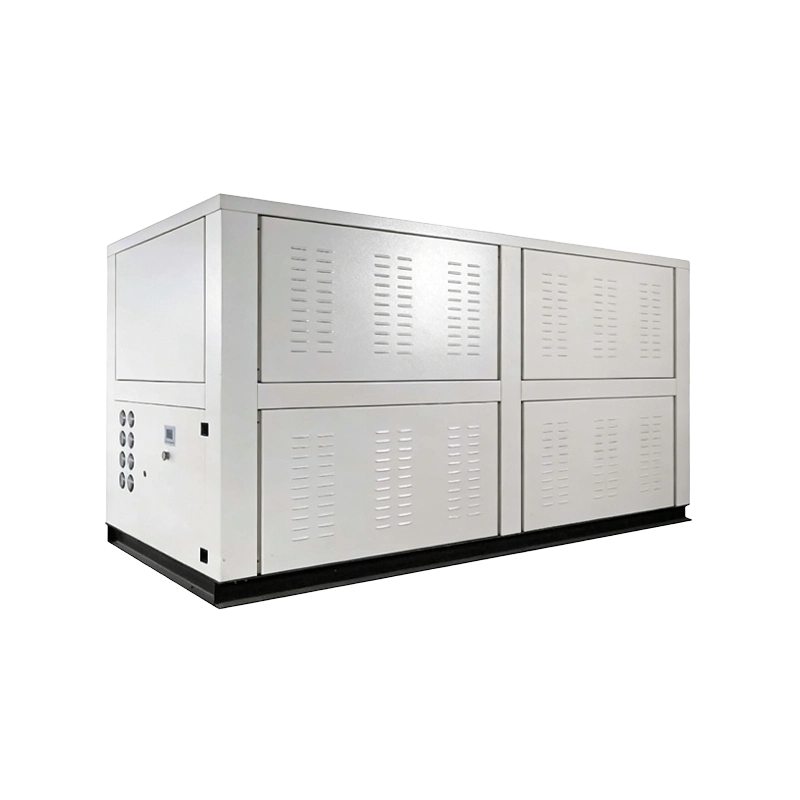
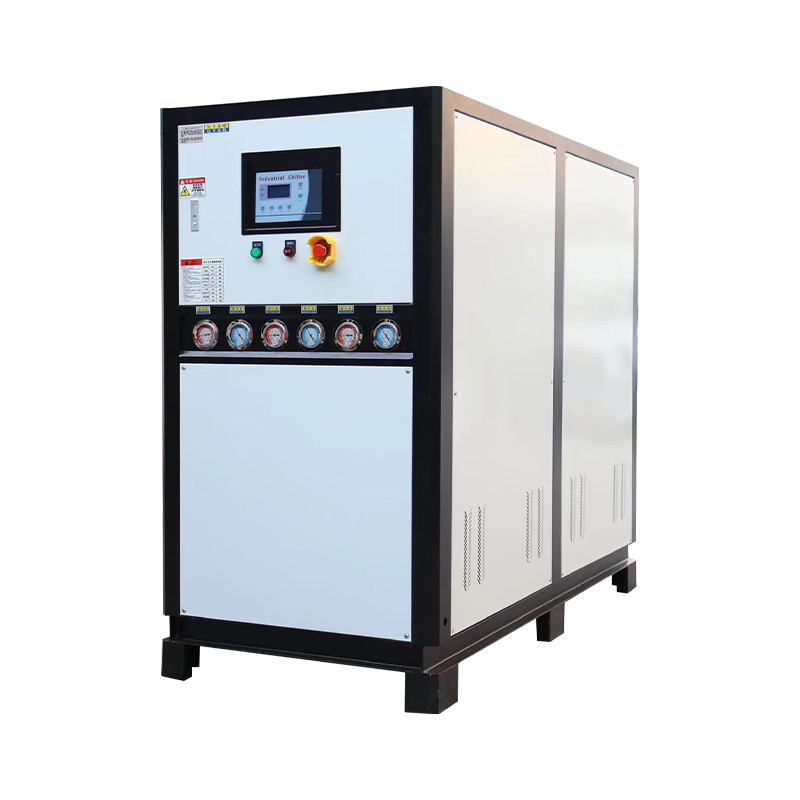
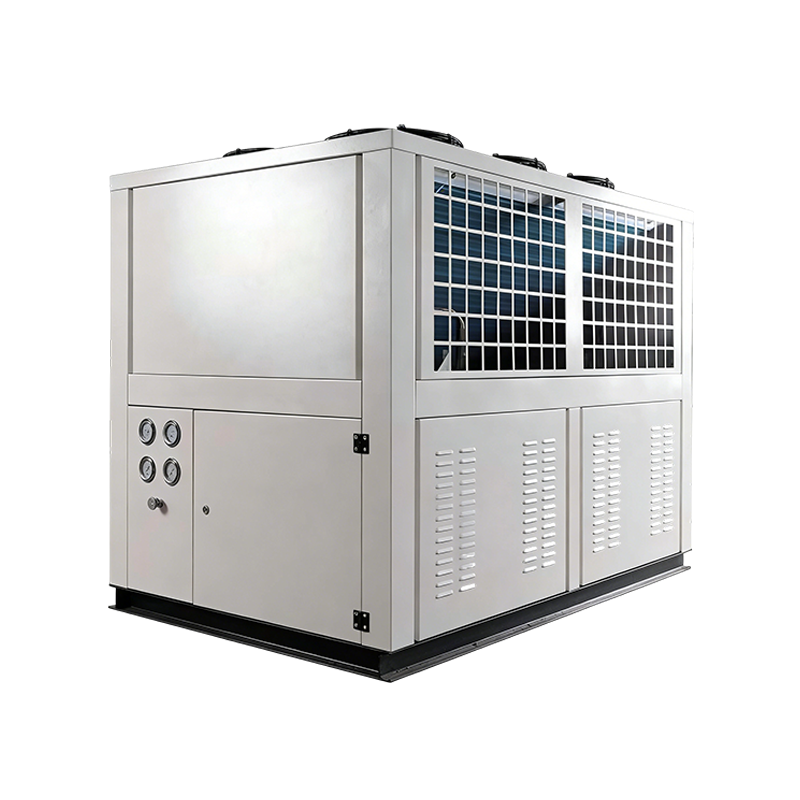
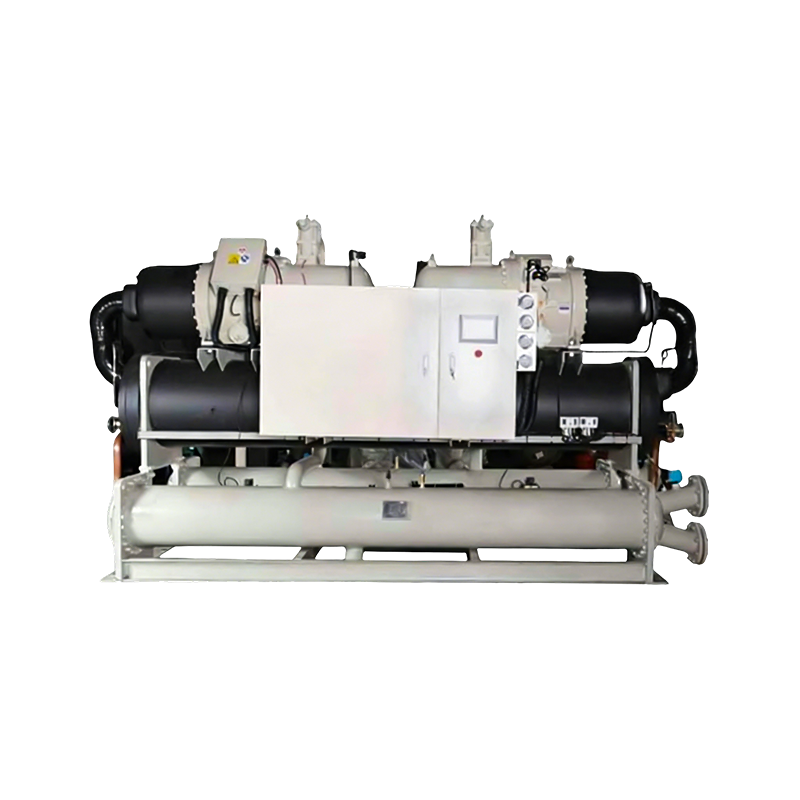
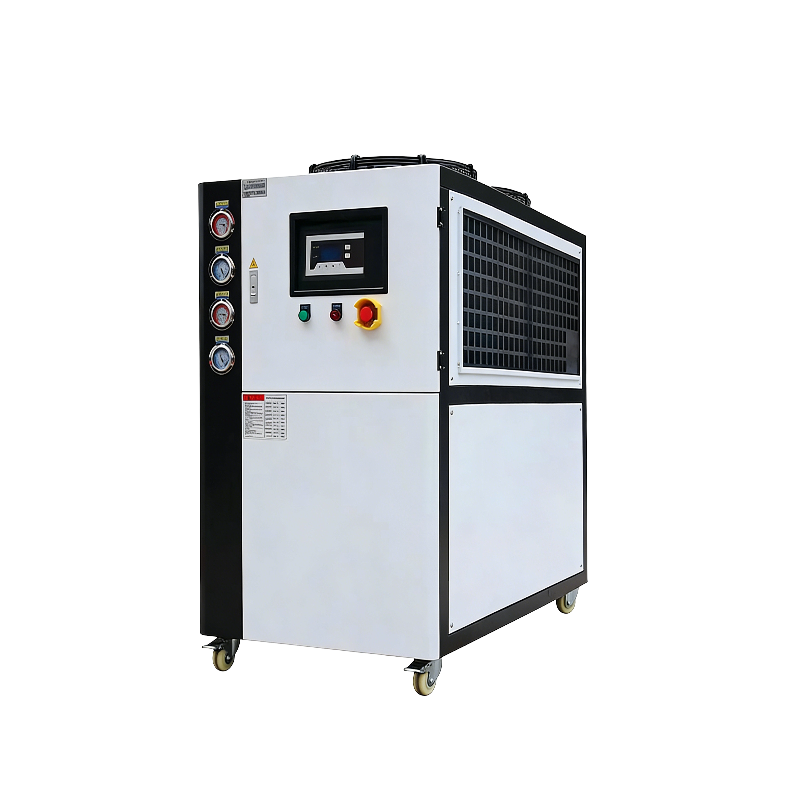
A cryogenic water cooled box chiller is an advanced industrial cooling system designed to provide stable ultra-low temperature control through a combination of cryogenic refrigeration principles and water-cooled heat dissipation technology. It is typically enclosed in a box-type structure that integrates all key components into a compact and controlled environment.
At its core, the system operates by removing heat from a process fluid or environment and transferring it through a multi-stage refrigeration cycle. The inclusion of water cooling significantly enhances heat exchange efficiency, especially under high-load industrial conditions where air cooling would be insufficient or unstable.
The term “box chiller” refers to the structural design of the system. Unlike open-frame chillers, box-type units are enclosed, which helps improve thermal insulation, reduce environmental interference, and enhance overall operational stability. This structural design also simplifies maintenance and improves system protection in industrial settings.
Cryogenic cooling, in this context, refers to the ability to reach and maintain extremely low temperature ranges compared to standard industrial chillers. While conventional systems may operate within moderate cooling ranges, cryogenic systems are engineered for applications that demand significantly lower and more precise temperature control.
Water cooling plays a critical role in supporting this performance. By using water as a heat transfer medium, the system can dissipate heat more efficiently than air-based alternatives. This is especially important in continuous operation environments where thermal load remains consistently high.
Structural Overview of the System
A typical cryogenic water cooled box chiller consists of several integrated components working in coordination:
- Compressor system for refrigerant circulation
- Cryogenic refrigeration loop for low-temperature generation
- Water-cooled condenser for heat removal
- Expansion mechanism for pressure and temperature control
- Evaporator for heat absorption from the process side
- Control system for temperature regulation and stability
- Enclosed box housing for insulation and protection
Each component contributes to the system's ability to maintain stable ultra-low temperatures under varying industrial conditions.
Key Functional Characteristics
The system is generally defined by several core functional characteristics:
- Stable ultra-low temperature output under continuous load
- High-efficiency heat exchange through water cooling
- Enhanced thermal insulation due to box-type enclosure
- Precision temperature control with minimal fluctuation
- Compatibility with industrial process cooling requirements
These characteristics make it suitable for applications where both performance and consistency are required simultaneously.
Comparison with Traditional Cooling Systems
To better understand its role, it is useful to compare it conceptually with traditional industrial cooling systems.
| System Type | Cooling Method | Temperature Capability | Stability Level | Application Scope |
|---|---|---|---|---|
| Air-cooled chiller | Air heat dissipation | Moderate | Medium | General industrial use |
| Standard water-cooled chiller | Water heat exchange | Low to medium | High | Industrial processing |
| Cryogenic water cooled box chiller | Cryogenic + water cooling | Ultra-low temperature | Very high | Precision and advanced applications |
This comparison highlights that the cryogenic water cooled box chiller is positioned at the high-performance end of industrial cooling solutions, particularly where temperature precision is critical.
Role in Modern Industrial Systems
The importance of this system is closely tied to modern industrial evolution. As production processes become more sensitive to thermal variation, traditional cooling systems often struggle to meet required performance thresholds. This has led to increased adoption of more advanced solutions that combine cryogenic capabilities with stable thermal management.
The box chiller structure further enhances this value by improving system reliability and reducing environmental impact on internal temperature regulation. This is particularly relevant in facilities where external conditions may fluctuate significantly.
Working Principle of Cryogenic Water Cooled Box Chiller
The operating principle of a cryogenic water cooled box chiller is based on a closed-loop thermodynamic cycle that continuously removes heat from a target system and transfers it to a water-cooled heat rejection system. Although the system appears compact externally due to its box-type enclosure, internally it integrates multiple stages of refrigeration and heat exchange designed to achieve ultra-low temperature stability under continuous industrial load.
At a functional level, the system can be understood as a coordinated interaction between four major processes: compression, condensation, expansion, and evaporation. These processes are enhanced by cryogenic-level refrigeration design and stabilized through a water-cooled heat rejection mechanism.
Refrigeration Cycle Structure
The core refrigeration cycle follows a continuous loop:
- Compression stage: refrigerant is compressed to a high-pressure, high-temperature state
- Condensation stage: heat is removed via a water-cooled condenser
- Expansion stage: pressure drops rapidly through an expansion device
- Evaporation stage: refrigerant absorbs heat from the process system
This cycle repeats continuously, ensuring stable cooling output.
Unlike standard systems, cryogenic water cooled box chillers often operate with multi-stage compression or enhanced refrigerant management to achieve deeper temperature reduction. This is essential for applications requiring ultra-low thermal environments.
Role of the Water-Cooled Condensation System
One of the most critical subsystems is the water-cooled condenser. Instead of relying on ambient air, the system uses a controlled water loop to remove heat from the refrigerant.
Water cooling provides several operational advantages:
- Higher thermal conductivity compared to air
- More stable heat dissipation under load variations
- Reduced sensitivity to ambient temperature changes
- Improved system efficiency during continuous operation
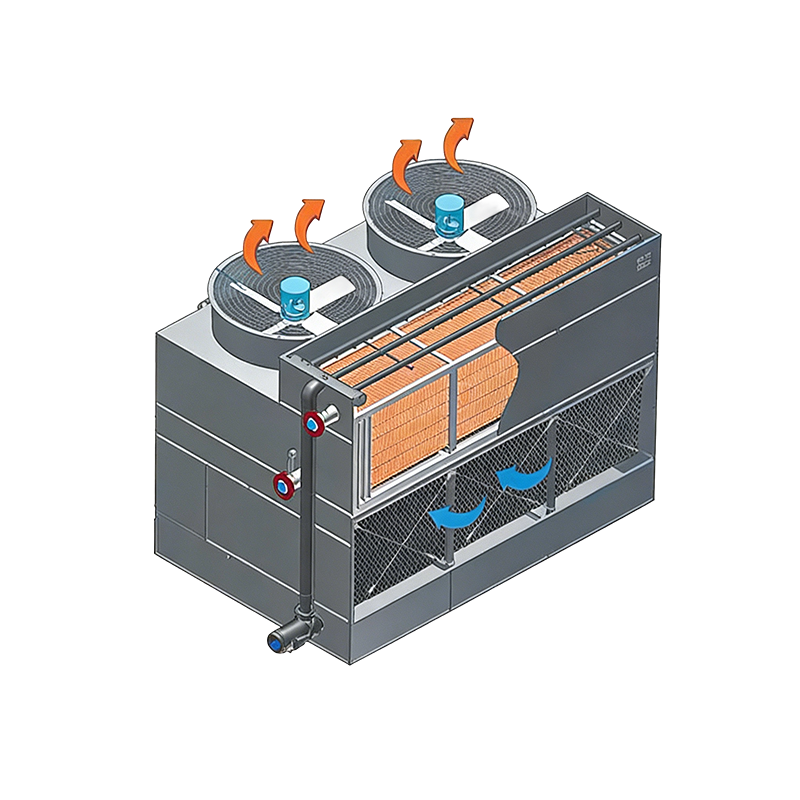
The heat absorbed from the refrigerant is transferred into the water loop and then discharged through external cooling infrastructure such as cooling towers or secondary heat exchangers.
This ensures that the cryogenic cycle maintains stable operating conditions even when external environmental conditions fluctuate.
Cryogenic Cooling Mechanism
The cryogenic aspect of the system refers to its ability to reach and maintain significantly lower temperature ranges than conventional industrial chillers. This is achieved through enhanced refrigeration control strategies, including:
- Multi-stage compression optimization
- Precise refrigerant flow regulation
- Low-temperature-resistant component design
- Advanced thermal insulation within the box structure
The system is engineered to minimize thermal losses at every stage of the cycle. Even minor inefficiencies can significantly impact ultra-low temperature stability, which is why structural insulation plays a key role in performance consistency.
Expansion and Evaporation Process
After condensation, the refrigerant passes through an expansion device where pressure is rapidly reduced. This sudden pressure drop causes the refrigerant temperature to fall sharply, preparing it for the evaporation stage.
During evaporation, the refrigerant absorbs heat from the process fluid or equipment being cooled. This heat absorption is the primary mechanism responsible for temperature reduction in industrial applications.
The efficiency of this stage determines how quickly and stably the system can respond to thermal load changes. In cryogenic water cooled box chillers, the evaporation process is carefully controlled to maintain stable ultra-low temperatures without overshooting or oscillation.
Temperature Control System Logic
A key feature of this system is its precision temperature control capability. Unlike basic cooling equipment that operates in broader temperature bands, cryogenic systems require fine-tuned control mechanisms.
The control system typically monitors:
- Process temperature
- Refrigerant pressure levels
- Water flow rate in the condenser
- Compressor load conditions
- System stability indicators
Based on real-time data, the system continuously adjusts operational parameters to maintain target temperature stability.
This closed-loop feedback control is essential for applications such as semiconductor processing or material testing, where even small deviations can impact results.
Structural Influence of the Box Design
The box-type enclosure is not merely a structural choice; it plays a functional role in thermal performance. By enclosing the system components within an insulated housing, several benefits are achieved:
- Reduced external thermal interference
- Improved internal heat balance
- Lower acoustic emissions during operation
- Protection of sensitive components
- Enhanced system stability under industrial environments
This structural approach helps maintain consistent internal operating conditions, which is critical for cryogenic-level performance.
System Energy Flow Overview
From an energy perspective, the system follows a controlled transformation of electrical energy into cooling capacity through thermodynamic processes.
The simplified energy flow can be described as:
- Electrical energy drives compressor operation
- Mechanical compression increases refrigerant energy state
- Heat is rejected via water-cooled condenser
- Expansion reduces energy potential
- Evaporation absorbs thermal energy from the process
The efficiency of each stage directly affects overall system performance, particularly in continuous industrial operation.
Operational Stability Under Industrial Load
One of the most important aspects of the working principle is system stability under varying load conditions. Industrial processes rarely operate at constant thermal demand, meaning the chiller must respond dynamically.
Cryogenic water cooled box chillers are designed to:
- Maintain stable output under fluctuating load
- Prevent temperature overshoot during rapid changes
- Optimize compressor cycling frequency
- Stabilize refrigerant distribution across the system
This dynamic response capability is essential for maintaining process reliability in advanced manufacturing environments.
Why Cryogenic Technology Enables Ultra-Low Temperature Performance
Cryogenic water cooled box chiller systems achieve ultra-low temperature performance through a combination of advanced thermodynamic control, optimized heat exchange efficiency, and system-level stability engineering. Unlike conventional industrial chillers that operate within moderate cooling ranges, cryogenic systems are specifically designed to push the limits of refrigeration while maintaining consistent operational control.
The ability to reach ultra-low temperatures is not the result of a single component, but rather the coordinated performance of multiple subsystems working under tightly controlled conditions.
The Thermodynamic Foundation of Cryogenic Cooling
At the core of cryogenic performance lies the principle of controlled energy removal through phase-change refrigeration. The system continuously manipulates refrigerant pressure and temperature to achieve deep cooling effects.
The key thermodynamic advantage comes from:
- Lower evaporating pressure levels
- Enhanced compression ratio control
- Multi-stage energy reduction behavior
- Stable latent heat absorption during phase transition
These factors allow the system to operate in temperature ranges that are significantly lower than standard industrial cooling equipment.
Unlike conventional chillers, cryogenic systems are engineered to minimize inefficiencies during each phase of the cycle, ensuring that energy transfer remains consistent even under extreme cooling conditions.
Role of Multi-Stage Compression in Ultra-Low Temperature Achievement
One of the most important mechanisms enabling cryogenic performance is multi-stage compression. Instead of relying on a single compression cycle, the system may use staged compression processes to gradually reduce refrigerant temperature.
This approach provides several advantages:
- Reduces thermal stress on compressor components
- Improves overall energy efficiency
- Allows deeper temperature reduction without instability
- Enhances long-term operational reliability
By distributing compression work across multiple stages, the system avoids excessive energy concentration, which would otherwise limit low-temperature capability.
Water Cooling as a Stabilizing Heat Rejection Method
Water cooling plays a crucial role in maintaining the stability required for cryogenic operation. Heat rejection is one of the most critical constraints in any refrigeration system, and water provides a highly efficient medium for this process.
Compared to air-based cooling, water cooling offers:
- Higher and more stable heat transfer capacity
- Reduced dependency on ambient temperature conditions
- Better performance under continuous industrial loads
- Lower risk of thermal fluctuation in condenser operation
This stability is particularly important in cryogenic systems, where even small inefficiencies in heat rejection can significantly impact low-temperature consistency.
Refrigerant Behavior at Low Temperatures
Cryogenic performance is also influenced by the physical behavior of refrigerants under low-temperature conditions. At reduced pressures, refrigerants undergo controlled phase transitions that allow them to absorb large amounts of heat.
Key factors include:
- Latent heat absorption efficiency
- Phase stability at low pressure levels
- Predictable evaporation characteristics
- Controlled enthalpy variation across the cycle
These properties ensure that the system can maintain consistent cooling output without sudden fluctuations in performance.
Precision Control Systems and Feedback Regulation
Ultra-low temperature stability cannot be achieved without advanced control systems. Cryogenic water cooled box chillers rely heavily on real-time monitoring and feedback loops to maintain operational balance.
The control system typically regulates:
- Compressor load adjustment
- Refrigerant flow rate control
- Water flow stability in condenser circuits
- Evaporator temperature response
- System pressure equilibrium
By continuously adjusting these parameters, the system prevents instability that could otherwise arise from fluctuating industrial demands.
This level of precision control is essential for applications requiring high repeatability and strict thermal tolerance.
Thermal Insulation and Box Structure Efficiency
The box-type structure contributes significantly to cryogenic performance by minimizing external thermal interference. Heat leakage, even at small levels, can disrupt ultra-low temperature stability.
The enclosure provides:
- Reduced thermal exchange with external environment
- Improved internal temperature uniformity
- Protection against airflow disturbances
- Enhanced acoustic and vibration isolation
This structural design ensures that the internal cooling cycle operates in a controlled and insulated environment, which is critical for maintaining cryogenic conditions.
Energy Balance Optimization in Cryogenic Systems
Cryogenic cooling is highly dependent on maintaining a balanced energy flow throughout the system. Any imbalance between heat absorption and heat rejection can reduce efficiency or destabilize performance.
Energy optimization is achieved through:
- Controlled compressor cycling strategies
- Optimized refrigerant distribution
- Efficient condenser heat transfer
- Reduced system losses through insulation and design
The goal is to ensure that energy input is used primarily for useful cooling rather than being lost through inefficiencies.
Stability Under Variable Industrial Loads
Industrial environments rarely operate under constant conditions. Load fluctuations are common, especially in processes involving material testing, precision manufacturing, or batch production.
Cryogenic water cooled box chillers are designed to respond dynamically to these changes by:
- Adjusting cooling output in real time
- Stabilizing refrigerant pressure fluctuations
- Preventing overshoot or undershoot in temperature control
- Maintaining consistent performance under variable demand
This dynamic adaptability is a defining characteristic of cryogenic-level systems.
Summary of Key Performance Drivers
The ultra-low temperature capability of cryogenic water cooled box chillers is driven by a combination of:
- Advanced multi-stage thermodynamic cycles
- High-efficiency water-cooled heat rejection
- Precision refrigerant control mechanisms
- Strong thermal insulation through box structure design
- Real-time system feedback and stability control
Together, these elements form an integrated system capable of maintaining extreme temperature conditions with high reliability.
Energy Efficiency Benefits of Cryogenic Water Cooled Systems
Energy efficiency is one of the most important performance indicators for modern industrial cooling systems. In high-demand environments, cooling equipment often operates continuously, meaning even small improvements in efficiency can significantly reduce long-term operational load.
A cryogenic water cooled box chiller is designed not only for ultra-low temperature performance but also for optimized energy utilization. Its efficiency advantages come from a combination of thermodynamic design, heat transfer optimization, and system-level control strategies.
Improved Heat Transfer Efficiency Through Water Cooling
Water is a far more efficient heat transfer medium compared to air due to its higher thermal conductivity and heat capacity. In a cryogenic system, this difference becomes even more significant because the condenser must continuously reject large amounts of heat.
The water-cooled condenser provides:
- Faster heat removal from refrigerant
- Stable thermal exchange under continuous operation
- Reduced thermal resistance in the cooling cycle
- More predictable system behavior under load changes
Because the heat rejection process is more efficient, the compressor does not need to operate at excessively high loads, which directly improves overall energy efficiency.
Reduced Compressor Energy Consumption
The compressor is typically the most energy-intensive component in any refrigeration system. In cryogenic water cooled box chillers, compressor efficiency is improved through better thermal balance and optimized pressure control.
Energy savings are achieved through:
- Lower discharge temperature due to efficient condensation
- Reduced compression ratio fluctuations
- Stable refrigerant return conditions
- Multi-stage load distribution in advanced systems
By maintaining a more stable operating environment, the compressor avoids frequent load spikes, which are a major source of energy waste in traditional systems.
Stable Operating Conditions Reduce Energy Loss
Energy inefficiency in cooling systems often arises from instability—such as temperature fluctuations, pressure imbalance, or inconsistent heat transfer.
Cryogenic water cooled box chillers are designed to minimize these inefficiencies through:
- Continuous feedback-based temperature control
- Stable refrigerant flow regulation
- Controlled water circulation in the condenser loop
- Reduced cycling frequency of major components
When the system operates under stable conditions, it avoids unnecessary energy spikes caused by repeated start-stop cycles or corrective adjustments.
Box-Type Structure and Thermal Loss Reduction
The enclosed box design plays a subtle but important role in energy efficiency. By isolating the system components from external environmental influences, it reduces unwanted heat gain and thermal losses.
Key benefits include:
- Lower external heat interference
- Improved internal thermal equilibrium
- Reduced cooling demand fluctuation
- Better insulation of critical components
This structural stability allows the system to maintain consistent performance without requiring additional energy input to compensate for environmental changes.
Optimized Refrigeration Cycle Efficiency
The cryogenic refrigeration cycle is engineered to maximize useful cooling output while minimizing wasted energy. This is achieved through precise control of each stage of the thermodynamic cycle.
Efficiency improvements come from:
- Controlled expansion process with minimal energy loss
- Enhanced evaporator heat absorption efficiency
- Optimized condenser heat rejection balance
- Reduced entropy generation across the cycle
By refining each stage of the cycle, the system ensures that a higher proportion of energy input is converted into effective cooling output.
Role of Intelligent Control Systems in Energy Optimization
Modern cryogenic water cooled box chillers often incorporate intelligent control systems that continuously monitor and adjust operational parameters.
These systems optimize energy usage by:
- Matching cooling output with real-time demand
- Adjusting compressor speed or load dynamically
- Regulating water flow in response to thermal conditions
- Preventing overcooling and energy overshoot
This adaptive control approach ensures that the system does not consume more energy than necessary for a given operational requirement.
Continuous Operation Efficiency Advantage
Unlike intermittent cooling systems, cryogenic water cooled box chillers are often designed for continuous industrial operation. This operational model itself contributes to energy efficiency.
Continuous operation benefits include:
- Reduced energy loss from repeated startup cycles
- More stable thermal equilibrium over time
- Improved system predictability and optimization
- Lower mechanical stress on components
In long-duration industrial processes, continuous stable operation is significantly more efficient than frequent cycling systems.
Comparison of Energy Performance Characteristics
| Efficiency Factor | Air-Cooled Systems | Standard Water-Cooled Systems | Cryogenic Water Cooled Box Chiller |
|---|---|---|---|
| Heat Transfer Efficiency | Medium | High | Very High |
| Compressor Load Stability | Low | Medium | High |
| Thermal Loss Control | Low | Medium | High |
| Continuous Operation Efficiency | Medium | High | Very High |
| System Stability Impact on Energy Use | High fluctuation | Moderate fluctuation | Low fluctuation |
This comparison highlights that cryogenic water cooled box chillers are optimized for long-term energy stability rather than short-term cooling bursts.
Long-Term Operational Cost Implications
While initial system complexity may be higher than traditional cooling systems, energy efficiency improvements significantly affect long-term operational costs.
Key long-term advantages include:
- Lower cumulative energy consumption
- Reduced mechanical wear due to stable operation
- Fewer maintenance interruptions caused by overload conditions
- Extended system lifespan through optimized workload distribution
These factors make cryogenic water cooled systems particularly suitable for industries requiring continuous precision cooling.
Conclusion
The cryogenic water cooled box chiller represents an advanced evolution in industrial cooling technology, combining cryogenic-level refrigeration capability with high-efficiency water-cooled heat rejection and a structurally optimized box-type design. Its primary value lies in its ability to deliver stable ultra-low temperature control under continuous and demanding industrial conditions.
Unlike conventional cooling systems, which are typically limited to moderate temperature ranges and more variable performance stability, this system is engineered for precision, consistency, and long-term operational reliability. The integration of cryogenic technology enables deeper temperature control, while the water-cooled condenser ensures efficient and stable heat dissipation even under high thermal loads.
Overall, the cryogenic water cooled box chiller is not simply a cooling device, but a precision thermal management system designed for modern high-tech industries. Its combination of ultra-low temperature capability, structural stability, and energy-optimized operation positions it as a critical solution in the development of advanced industrial processes where thermal control directly influences performance, safety, and product quality.