
 English
 Español
Content
- 1 Definition and Core Function of Cabinet Air Conditioners
- 2 Major Application Fields of Cabinet Air Conditioners
- 3 Application Suitability Matrix
- 4 Major Application Fields of Cabinet Air Conditioners
- 5 Application Suitability Matrix
- 6 Selection Guide: How to Choose the Right Cabinet Air Conditioner
- 7 Maintenance and Preventative Care for Cabinet Air Conditioners
- 8 Conclusion: The Strategic Value of Cabinet Air Conditioning
- 9 Frequently Asked Questions (FAQ) about Cabinet Air Conditioners
- 9.1 1. How do I handle condensate water generated by the unit?
- 9.2 2. When should I choose an air conditioner over a simple filter fan?
- 9.3 3. Can the unit operate effectively in ambient temperatures above 50°C?
- 9.4 4. Is it necessary to seal the cabinet completely?
- 9.5 5. What is the expected service life of an industrial cooling unit?
Definition and Core Function of Cabinet Air Conditioners
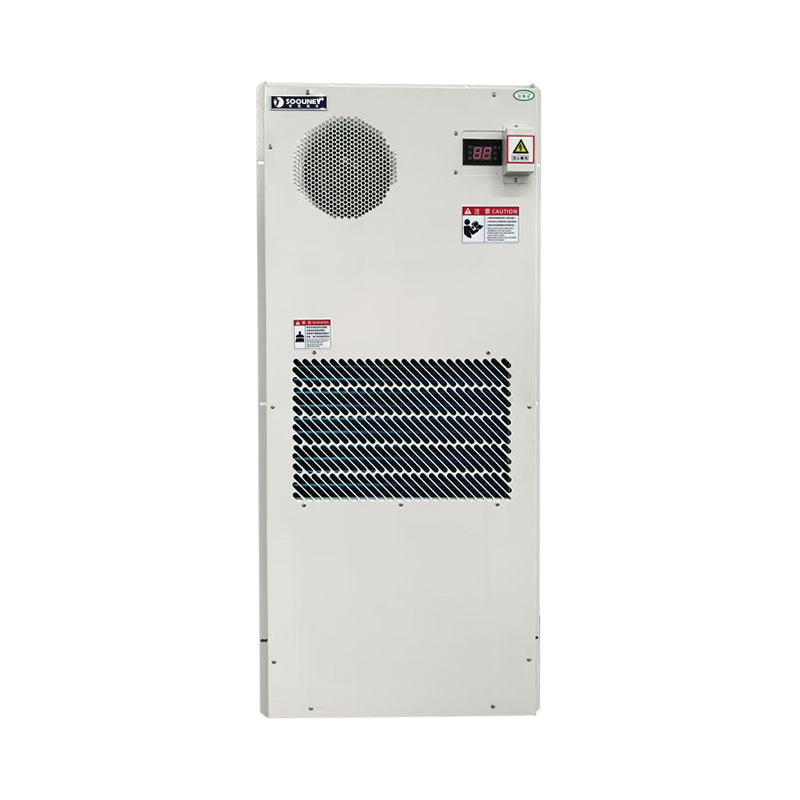
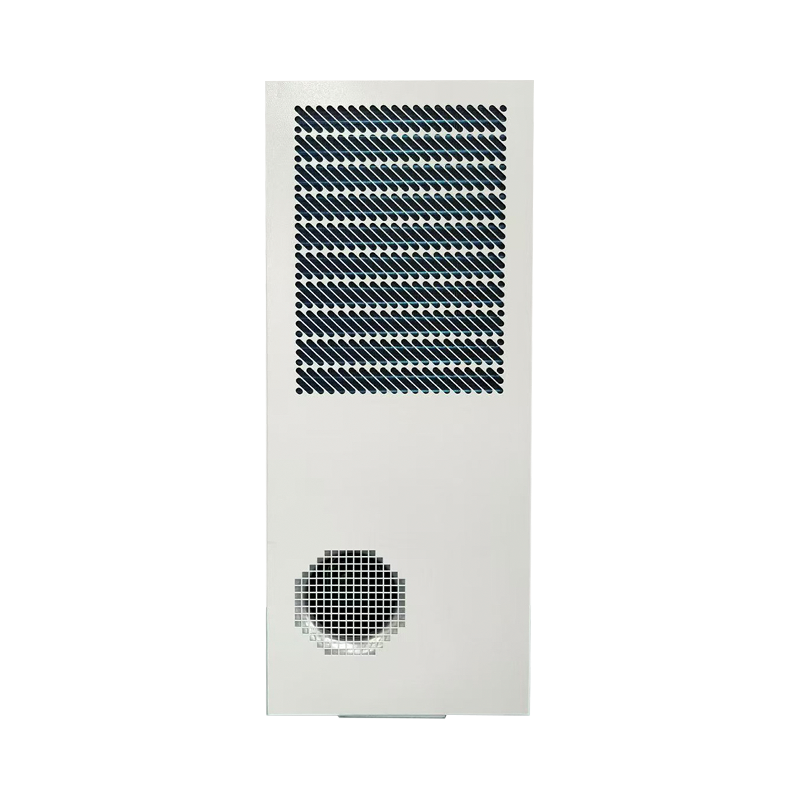
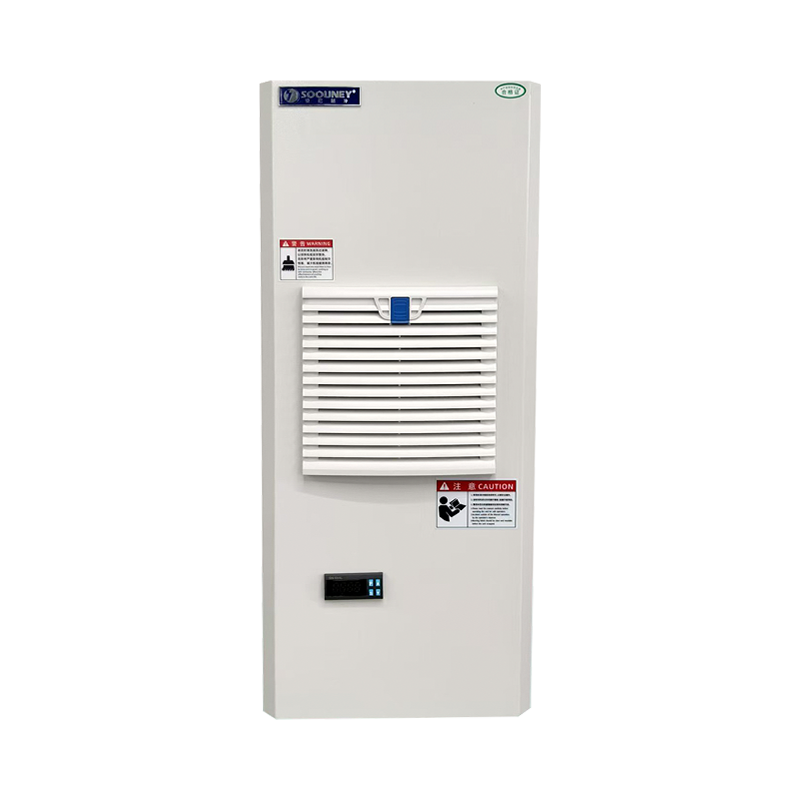
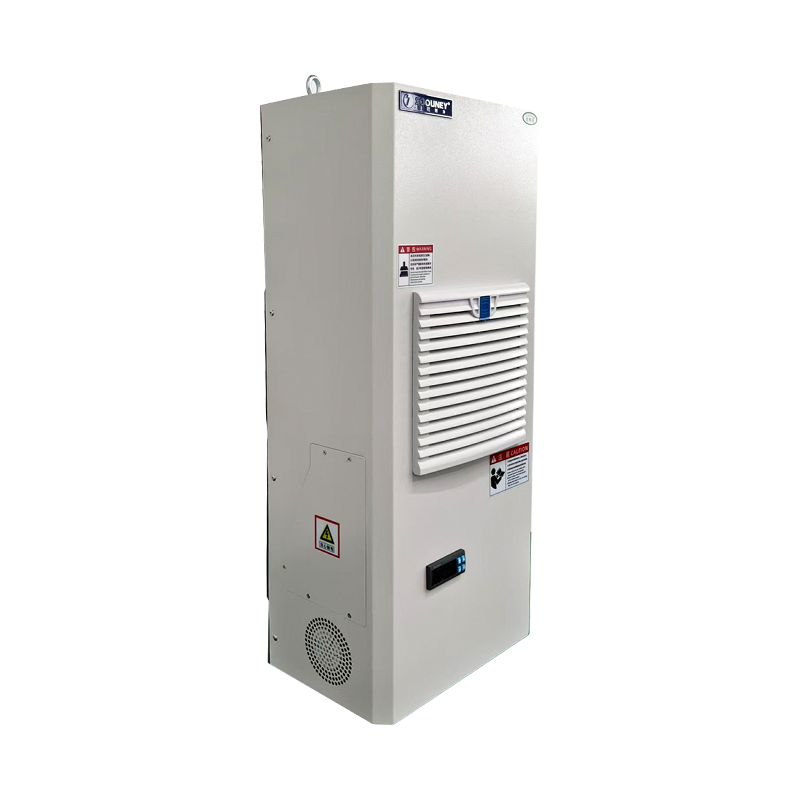
A Cabinet Air Conditioner is a specialized industrial thermal management system designed to maintain a controlled environment within electrical enclosures. Unlike standard ventilation, these units utilize active refrigeration to protect sensitive electronic components from heat-related failure, specifically in environments where ambient temperatures are high or air quality is poor.
Fundamental Working Principle
The unit operates on a vapor-compression refrigeration cycle, consisting of a compressor, condenser, expansion valve, and evaporator. It is specifically engineered for Closed-Loop Cooling, which ensures the internal air of the cabinet is never mixed with the external ambient air.
Primary Functions in Industrial Environments
1. Active Temperature Regulation
Modern B2B equipment such as server racks, telecommunication systems, and CNC controllers generate significant internal heat. The Cabinet Air Conditioner actively removes this thermal energy, allowing the internal temperature to remain lower than the external ambient temperature—a feat impossible for standard fan systems.
2. Hermetic Isolation and Protection
By utilizing two separate air paths, the unit maintains the integrity of the enclosure’s protection rating (e.g., IP54). This isolation protects internal circuits from:
- Conductive Dust: Preventing short circuits in metal-processing environments.
- Oil Mist: Crucial for machinery and automotive assembly lines.
- Corrosive Vapors: Protecting sensitive logic boards in chemical or wastewater treatment plants.
3. Humidity Control and Dehumidification
As warm internal air passes over the cold evaporator coils, excess moisture condenses and is removed from the cabinet. This dehumidification process prevents the formation of condensation on electrical terminals, which is a leading cause of corrosion and unpredictable component failure.
Technical Comparison: Air Conditioners vs. Conventional Cooling
| Feature | Filter Fan | Heat Exchanger | Cabinet Air Conditioner |
| Cooling Technology | Passive Airflow | Air-to-Air / Air-to-Water | Active Refrigeration |
| Internal Temp (Ti) | Ti > Ambient | Ti > Ambient | Ti < Ambient |
| Sealing Level | Open/Filtered | Closed-Loop | Closed-Loop |
| Dust Protection | Low to Medium | High | High |
| Dehumidification | None | None | Integrated |
Standard Performance Ratings
Professional selection requires understanding cooling capacity at standardized points. The L35/L35 rating (Internal 35°C / External 35°C) is the industry benchmark for nominal capacity, while L35/L50 determines the unit's efficiency in extreme industrial heat conditions. Choosing a unit with a robust L35/L50 rating ensures continuous operation during peak summer temperatures or near high-heat manufacturing processes.
Major Application Fields of Cabinet Air Conditioners
The implementation of a Cabinet Air Conditioner is critical in sectors where electronic failure due to overheating can lead to significant financial loss or safety risks. By providing a stable micro-environment, these units ensure the longevity of high-value B2B infrastructure.
1. CNC Machinery and Factory Automation
In manufacturing plants, control cabinets house sensitive components like Variable Frequency Drives (VFDs), PLC modules, and servo controllers. These components generate substantial heat during high-speed operations. A Cabinet Air Conditioner prevents thermal tripping and protects the hardware from the pervasive oil mist and metal dust found in machining environments.
2. Telecommunications and Data Infrastructure
For outdoor communication base stations and remote data enclosures, environmental control is a primary concern. These cabinets are often exposed to direct solar radiation and extreme ambient temperatures. Active cooling is required to maintain the functionality of 4G/5G hardware and battery backup systems, which are highly sensitive to thermal degradation.
3. Energy Storage Systems (BESS) and Power Distribution
Modern energy sectors, including solar and wind power, utilize large-scale battery storage. These systems require precise temperature management to prevent thermal runaway. Cabinet Air Conditioners are integrated into power conversion system (PCS) cabinets and battery enclosures to ensure safety and maintain the efficiency of power distribution switchgear.
4. Food, Beverage, and Chemical Processing
These industries often require rigorous cleaning protocols and are characterized by high humidity or corrosive atmospheres. Specialized Cabinet Air Conditioners with SUS304 or SUS316L stainless steel housings are utilized to withstand wash-down procedures and chemical exposure while keeping the internal control electronics cool and dry.
Application Suitability Matrix
The following table summarizes the specific requirements for different industrial environments to guide the application of Cabinet Air Conditioners.
| Industrial Sector | Primary Threat | Critical Feature Required |
| Automotive Manufacturing | High Heat & Oil Mist | Closed-Loop Isolation |
| Outdoor Telecom | Solar Load & Dust | High Ambient Performance (L35/L50) |
| Marine / Offshore | Salt Spray & Corrosion | Stainless Steel Construction |
| Renewable Energy | Continuous Operation | Intelligent Temperature Control |
| Pharmaceuticals | Strict Hygiene Standards | NEMA 4X / IP56 Protection |
Strategic Integration in Smart Factories
As industries transition toward Industry 4.0, the Cabinet Air Conditioner often evolves from a simple cooling device to an intelligent thermal management node. Equipped with RS485 or Modbus communication interfaces, these units allow operators to monitor internal cabinet temperatures remotely, predicting maintenance needs before a critical component failure occurs.
Major Application Fields of Cabinet Air Conditioners
The implementation of a Cabinet Air Conditioner is critical in sectors where electronic failure due to overheating can lead to significant financial loss or safety risks. By providing a stable micro-environment, these units ensure the longevity of high-value B2B infrastructure.
1. CNC Machinery and Factory Automation
In manufacturing plants, control cabinets house sensitive components like Variable Frequency Drives (VFDs), PLC modules, and servo controllers. These components generate substantial heat during high-speed operations. A Cabinet Air Conditioner prevents thermal tripping and protects the hardware from the pervasive oil mist and metal dust found in machining environments.
2. Telecommunications and Data Infrastructure
For outdoor communication base stations and remote data enclosures, environmental control is a primary concern. These cabinets are often exposed to direct solar radiation and extreme ambient temperatures. Active cooling is required to maintain the functionality of 4G/5G hardware and battery backup systems, which are highly sensitive to thermal degradation.
3. Energy Storage Systems (BESS) and Power Distribution
Modern energy sectors, including solar and wind power, utilize large-scale battery storage. These systems require precise temperature management to prevent thermal runaway. Cabinet Air Conditioners are integrated into power conversion system (PCS) cabinets and battery enclosures to ensure safety and maintain the efficiency of power distribution switchgear.
4. Food, Beverage, and Chemical Processing
These industries often require rigorous cleaning protocols and are characterized by high humidity or corrosive atmospheres. Specialized Cabinet Air Conditioners with SUS304 or SUS316L stainless steel housings are utilized to withstand wash-down procedures and chemical exposure while keeping the internal control electronics cool and dry.
Application Suitability Matrix
The following table summarizes the specific requirements for different industrial environments to guide the application of Cabinet Air Conditioners.
| Industrial Sector | Primary Threat | Critical Feature Required |
| Automotive Manufacturing | High Heat & Oil Mist | Closed-Loop Isolation |
| Outdoor Telecom | Solar Load & Dust | High Ambient Performance (L35/L50) |
| Marine / Offshore | Salt Spray & Corrosion | Stainless Steel Construction |
| Renewable Energy | Continuous Operation | Intelligent Temperature Control |
| Pharmaceuticals | Strict Hygiene Standards | NEMA 4X / IP56 Protection |
Strategic Integration in Smart Factories
As industries transition toward Industry 4.0, the Cabinet Air Conditioner often evolves from a simple cooling device to an intelligent thermal management node. Equipped with RS485 or Modbus communication interfaces, these units allow operators to monitor internal cabinet temperatures remotely, predicting maintenance needs before a critical component failure occurs.
Selection Guide: How to Choose the Right Cabinet Air Conditioner
Selecting the appropriate Cabinet Air Conditioner requires a precise evaluation of thermal dynamics and environmental constraints. An undersized unit will fail to protect internal electronics, while an oversized unit may lead to inefficient cycling and increased wear on the compressor.
1. Calculating the Total Heat Load
The required cooling capacity is determined by the Total Heat Load (Pt), which is the sum of internal heat production and external heat transmission. The formula involves two primary factors:
- Internal Heat Load (Pi): The total wattage dissipated by components such as VFDs, transformers, and PLCs. Typically, 3% to 5% of the total power throughput of these devices is lost as heat.
- Heat Transmission (Pr): The heat gained or lost through the enclosure surface area. This depends on the Heat Transfer Coefficient of the cabinet material and the temperature difference between the ambient air and the desired internal temperature.
2. Mounting Configuration and Space Optimization
The physical integration of the Cabinet Air Conditioner affects airflow efficiency and footprint management. Common mounting types include:
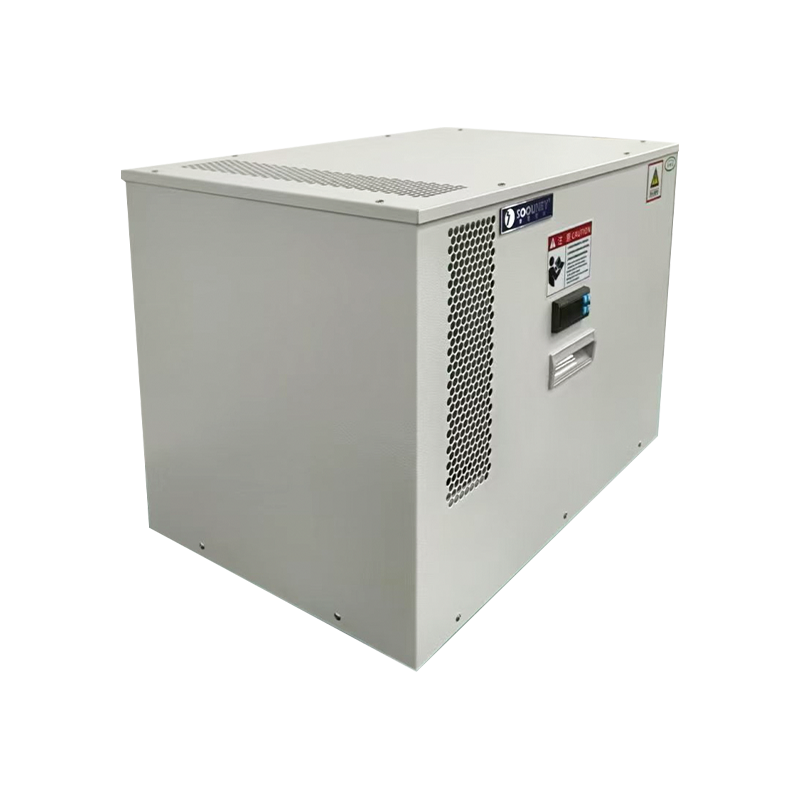
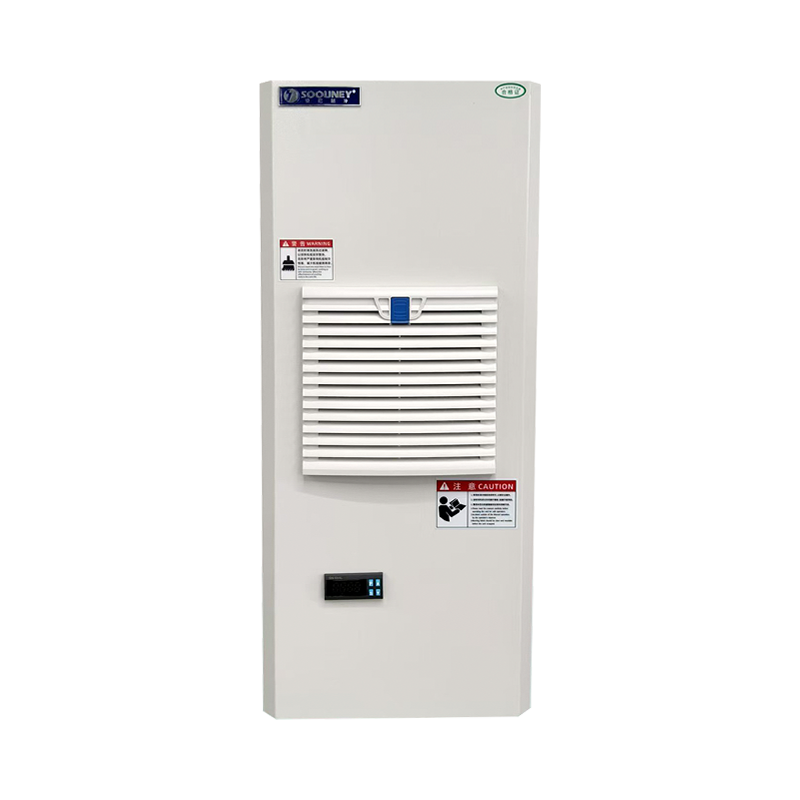
- Side-Mount: The most common configuration, ideal for tall cabinets with available side clearance.
- Top-Mount (Roof-Mount): Best for narrow aisles where side space is restricted; however, it requires careful consideration of internal airflow paths to avoid "hot spots."
- Slim-Line / Recessed Mount: Partially or fully embedded into the cabinet door or wall to minimize the external profile in tight spaces.
3. Environmental and Safety Considerations
The operating environment dictates the necessary protection features of the Cabinet Air Conditioner:
| Selection Factor | Condition | Technical Requirement |
| High Humidity | Risk of condensation | Integrated Condensate Evaporator |
| Corrosive Areas | Salt air or chemical vapors | Epoxy-Coated Coils / Stainless Steel |
| Outdoor Exposure | Direct sunlight / Rain | NEMA 4 / IP56 Rating & Sun Shields |
| Extreme Heat | Ambient temps > 45°C | High-Ambient Compressor (L35/L50 Rated) |
4. Intelligent Control and Communication
For modern B2B applications, the Cabinet Air Conditioner should offer more than basic thermostat control. Priority should be given to units featuring:
- Digital Controllers: Providing precise temperature set-points and visible status displays.
- Alarm Outputs: Potential for dry contact or Modbus/RS485 communication to alert central monitoring systems of high-temperature events or fan failures.
- Energy Efficiency: Multi-speed fans or variable-speed compressors that adjust cooling output based on the actual heat load, reducing operational costs.
Pro-Tip: The Safety Margin
It is standard engineering practice to apply a 10% to 20% safety margin to the calculated heat load. This accounts for future equipment expansions within the cabinet and ensures the Cabinet Air Conditioner can maintain stable temperatures during unprecedented peak-summer heatwaves.
Maintenance and Preventative Care for Cabinet Air Conditioners
To ensure the maximum operational lifespan of a Cabinet Air Conditioner and the sensitive electronics it protects, a structured maintenance schedule is essential. Regular servicing prevents efficiency loss, reduces energy consumption, and mitigates the risk of unexpected system downtime.
1. Routine Inspection and Cleaning Cycles
The performance of any refrigeration-based system depends on efficient heat exchange. In industrial environments, the external condenser coils are prone to buildup from airborne contaminants.
- Condenser Coil Maintenance: Dust, lint, and oil mist should be removed using compressed air or specialized coil cleaners. Clogged coils force the compressor to work harder, increasing power consumption and reducing the unit's Cooling Capacity.
- Filter Management: If the unit is equipped with external air filters, they should be inspected monthly. Washable aluminum mesh filters or disposable pleated filters must be cleaned or replaced to maintain optimal airflow.
2. Condensate Management System Check
As a Cabinet Air Conditioner dehumidifies the internal air, water is collected. Proper management of this condensate is vital to prevent moisture damage to electrical components.
- Drainage Path Integrity: Ensure that drain hoses are not kinked, clogged, or brittle. Blockages can cause water to back up into the enclosure.
- Evaporator Function: For units equipped with an Automatic Condensate Evaporator, verify that the heating element or collection pan is functioning correctly to eliminate waste water without manual intervention.
3. Electrical and Mechanical Component Audit
A biannual technical audit helps identify wear and tear before it results in a mechanical failure:
| Component | Check Point | Action Required |
| Fans/Blowers | Bearing noise and vibration | Replace fan if noise exceeds specified dB levels |
| Compressor | Start/Stop cycle frequency | Investigate if short-cycling occurs (potential sensor issue) |
| Electrical Contacts | Tightness and signs of oxidation | Secure connections to prevent voltage drops or arcing |
| Refrigerant Lines | Signs of oil residue (leaks) | Requires professional pressure testing and recharge |
4. Intelligent Monitoring and Predictive Maintenance
Modern Cabinet Air Conditioners integrated with Industry 4.0 capabilities offer advanced diagnostic tools. Utilizing these features transforms reactive maintenance into a proactive strategy:
- Alarm Logging: Monitor the controller for frequent high-temperature or low-pressure alarms which may indicate an aging system.
- Sensor Calibration: Periodically verify that internal temperature sensors match the readings of a calibrated external thermometer to ensure precise Temperature Regulation.
Operational Reliability Note
Implementing a "Clean Coil" policy can improve the energy efficiency of a Cabinet Air Conditioner by up to 15%. In high-pollution environments, such as textile mills or foundries, the frequency of these inspections should be doubled to maintain the integrity of the Closed-Loop system.
Conclusion: The Strategic Value of Cabinet Air Conditioning
In the landscape of modern industrial operations, the Cabinet Air Conditioner has evolved from an optional accessory to a critical component of infrastructure reliability. As electronic components become more compact and powerful, the density of heat generation increases, making active thermal management a prerequisite for operational continuity.
Summary of Core Benefits
Implementing a high-performance Cabinet Air Conditioner provides a multifaceted return on investment (ROI) by addressing the three primary threats to industrial electronics: heat, contamination, and humidity.
- Extended Equipment Lifespan: By maintaining a stable temperature at or below 35°C, the thermal stress on capacitors, processors, and power modules is significantly reduced, preventing premature aging.
- Minimized Unplanned Downtime: Active cooling eliminates "nuisance tripping" of circuit breakers and thermal shutdowns of VFDs, ensuring that production lines remain active during peak summer temperatures.
- Enhanced System Integrity: The Closed-Loop design ensures that the internal environment remains pristine, protecting the heavy investment in PLC logic and automation software from physical degradation.
Future Trends in Enclosure Cooling
The next generation of Cabinet Air Conditioners is moving toward greater sustainability and deeper integration with factory management systems. Key trends include:
- Energy Efficiency: The adoption of variable-speed compressors and "green" refrigerants with lower Global Warming Potential (GWP).
- IoT Connectivity: Real-time data streaming via Modbus or Ethernet/IP, allowing for centralized climate monitoring across entire manufacturing plants.
- Hybrid Cooling: Systems that combine air-to-air heat exchangers for mild conditions with active refrigeration for extreme heat to optimize energy consumption.
Final Recommendation for B2B Stakeholders
When integrating a Cabinet Air Conditioner, stakeholders should look beyond the initial purchase price. Evaluating total cost of ownership (TCO)—including energy efficiency, maintenance requirements, and the reliability of the L35/L50 performance rating—is essential. Investing in a robust thermal management solution is the most effective insurance policy against the high costs of equipment failure and production delays in a competitive global market.
Frequently Asked Questions (FAQ) about Cabinet Air Conditioners
Addressing common technical inquiries helps engineers and facility managers optimize the performance of their Cabinet Air Conditioner installations. Below are detailed responses to the most frequent operational questions in industrial settings.
1. How do I handle condensate water generated by the unit?
In humid environments, a Cabinet Air Conditioner will naturally remove moisture from the air. There are three primary ways to manage this:
- Automatic Condensate Evaporators: Many professional units feature an internal heating element that evaporates the collected water, discharging it as vapor into the external air stream.
- Drainage Hoses: For units without an evaporator, a reinforced hose is used to direct water to a floor drain or collection tank. It is vital to ensure these hoses have a proper downward slope and are not obstructed.
- Safety Overflows: High-quality models include a safety alarm or mechanical overflow port to shut down the unit if the water cannot be discharged, preventing internal cabinet flooding.
2. When should I choose an air conditioner over a simple filter fan?
A filter fan is only effective if the ambient temperature is at least 5°C to 10°C lower than the desired internal cabinet temperature. You must upgrade to a Cabinet Air Conditioner if:
- The external air temperature exceeds 35°C.
- The internal heat load is too high for air exchange to manage.
- The environment is highly contaminated with oil, conductive dust, or chemicals that would bypass standard filters.
- Precise humidity control is required to prevent sensitive electronic drift or corrosion.
3. Can the unit operate effectively in ambient temperatures above 50°C?
Standard units are often rated for up to 45°C or 50°C. However, for extreme environments such as steel mills, foundries, or desert regions, you must select a High-Ambient Cabinet Air Conditioner. These specialized units feature:
- Heavy-duty Compressors: Designed to maintain high suction and discharge pressures.
- Optimized Refrigerant Charges: Specifically balanced for thermal stability at the L35/L50 or L35/L55 operating points.
- Large-Surface Condensers: Enhanced heat dissipation area to cope with the low temperature differential between the refrigerant and the scorching ambient air.
4. Is it necessary to seal the cabinet completely?
Yes. To achieve the full benefits of Closed-Loop Cooling, the enclosure must be hermetically sealed. Any gaps, unsealed cable entries, or open vents will allow warm, moist, and dirty ambient air to enter the cabinet. This forces the Cabinet Air Conditioner to work excessively, leading to ice formation on the evaporator coils and significantly higher energy costs.
5. What is the expected service life of an industrial cooling unit?
With a proper preventative maintenance program, a high-quality Cabinet Air Conditioner typically has an operational lifespan of 8 to 12 years. Key factors influencing this include the quality of the compressor, the corrosiveness of the environment, and the consistency of condenser coil cleaning.