
 English
 Español
Content
Electronics fail faster in heat than almost any other way. An indoor cabinet air conditioner exists specifically to stop that from happening, sealing off the electronics inside a control panel or automation enclosure and running a closed cooling loop that never lets contaminated shop-floor air anywhere near sensitive components.
What an Indoor Cabinet Air Conditioner Is
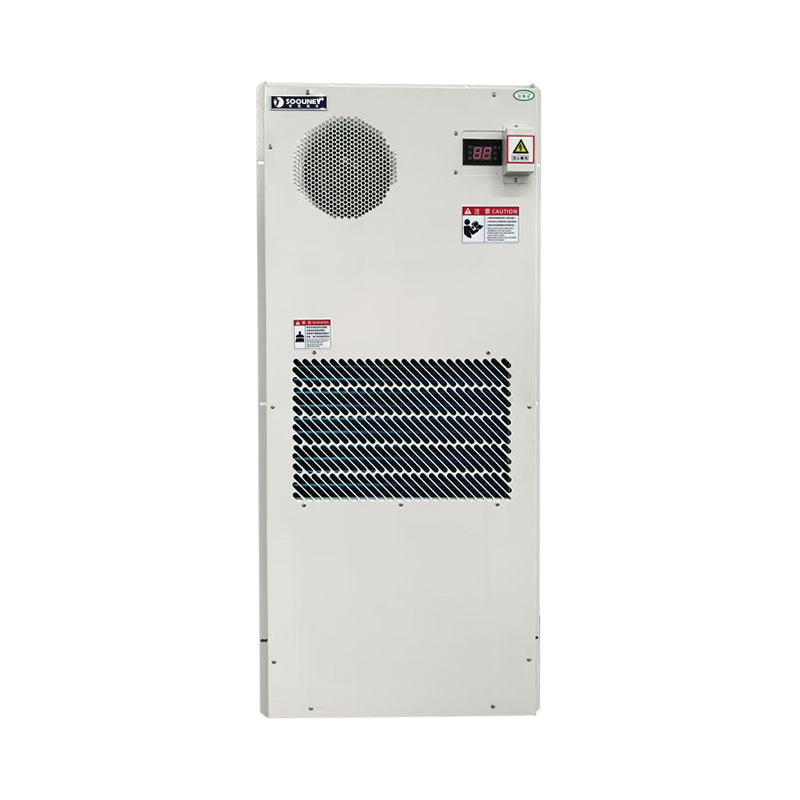
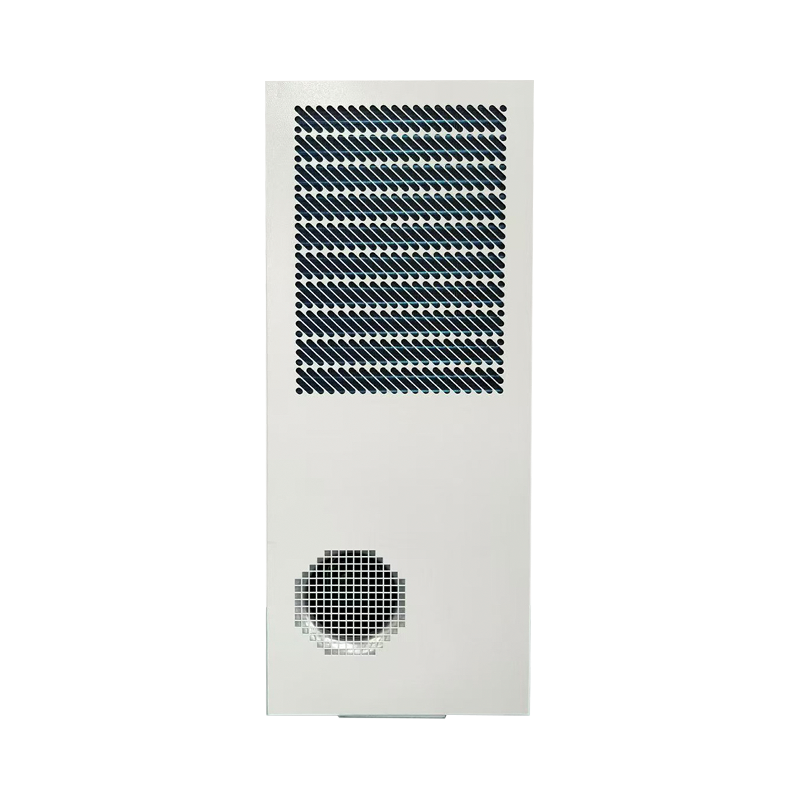
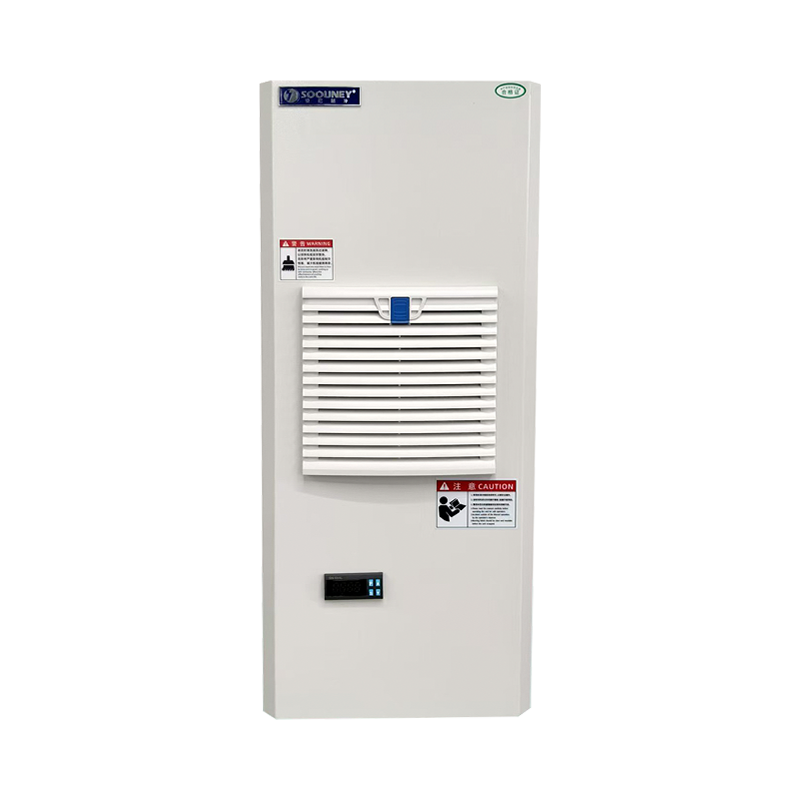
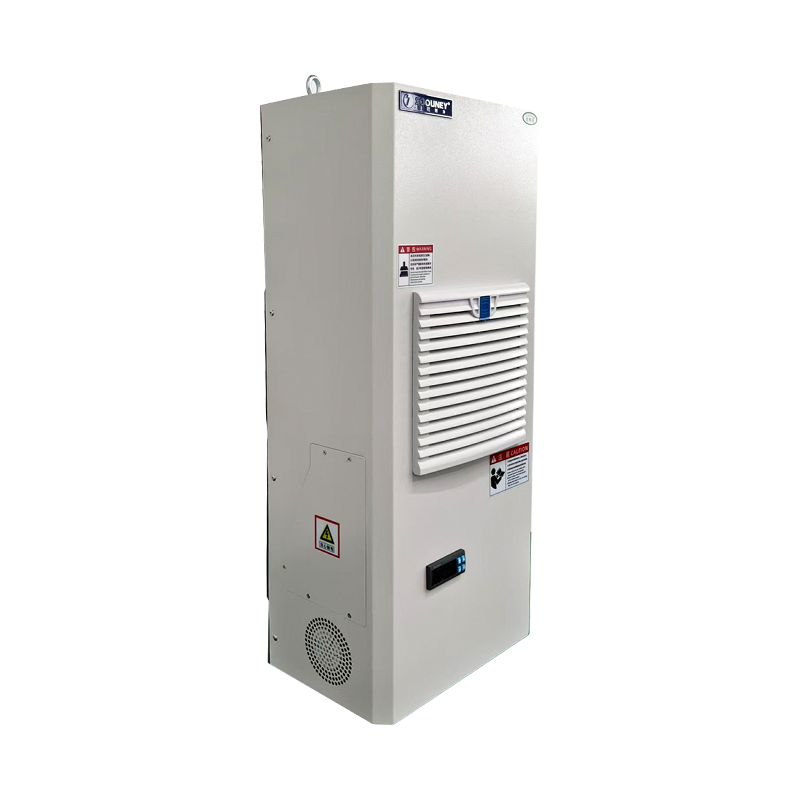
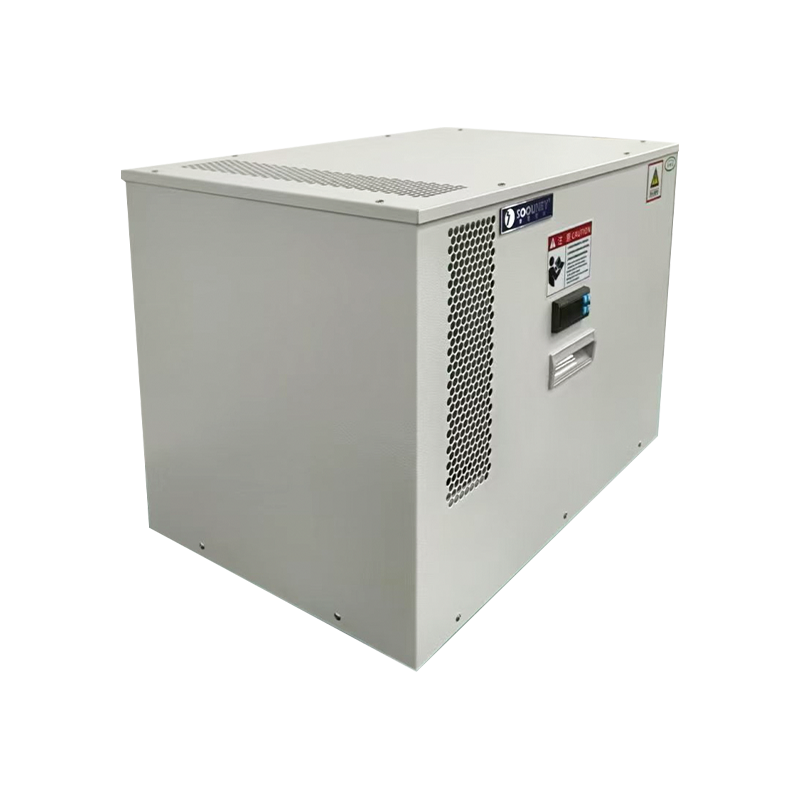
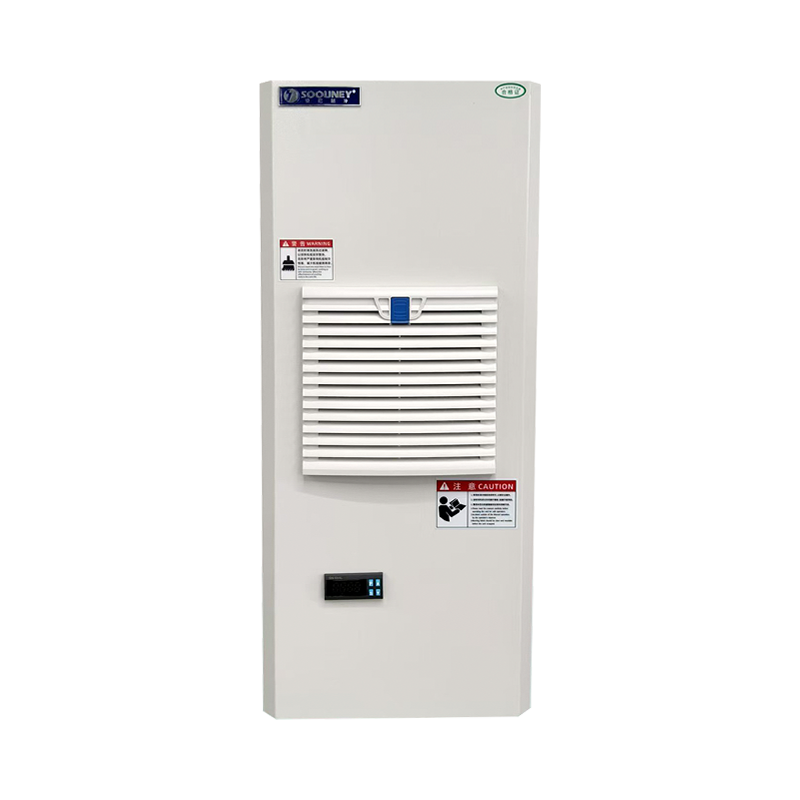
Rather than cooling a room, this unit mounts directly on an electrical cabinet and runs a compact refrigeration cycle built from a compressor, condenser, evaporator, cooling fans, and a temperature controller. Air inside the cabinet is cooled and recirculated in a closed loop, which keeps outside dust and humidity from ever entering the enclosure.
- Compressor and condenser drive the refrigeration cycle
- Evaporator pulls heat out of the recirculated cabinet air
- Temperature controller keeps conditions inside a target range
How It Cools a Sealed Cabinet
Comparing Mounting Types
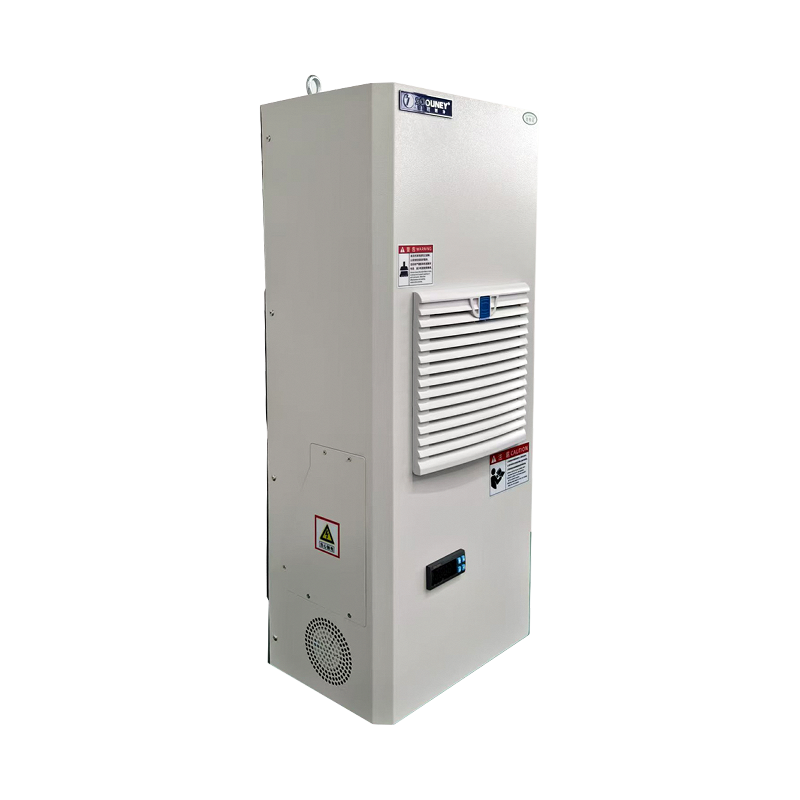
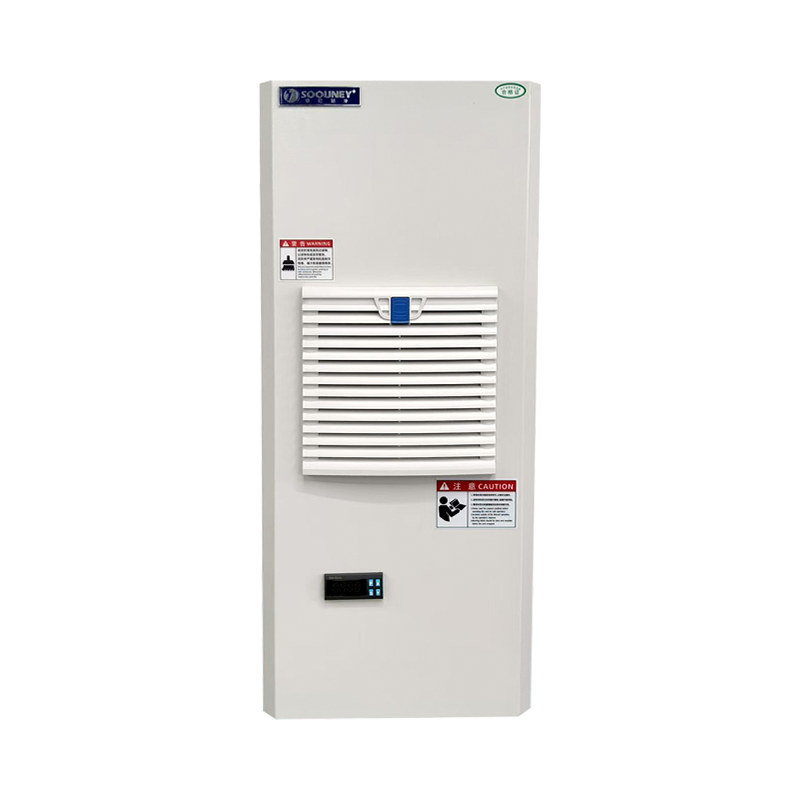
Side, door, and top mount units trade installation ease, airflow distribution, and space efficiency against each other, so the right choice depends more on the cabinet's layout than on cooling capacity alone.
Illustrative rating per attribute, larger shaded area indicates a stronger fit
What Matters Most When Choosing a Unit
Cooling capacity should be calculated from cabinet volume, internal heat generation, and ambient temperature before anything else, since an undersized unit will run constantly without ever catching up.
Illustrative Selection Factor Weight (out of 10)
Indoor vs Outdoor Cabinet Air Conditioners
The core difference is what the unit has to fight. An indoor cabinet air conditioner only has to manage the heat equipment generates inside a controlled building, while outdoor units also have to withstand direct weather exposure.
| Installation Environment | Indoor industrial areas | Outdoor locations |
| Environmental Protection | Controlled environments | Weather exposure |
| Main Concern | Equipment heat | Heat plus weather |
| Typical Applications | Control rooms, factories | Outdoor comms, power cabinets |
Columns left to right: Indoor Cabinet Air Conditioner, Outdoor Cabinet Air Conditioner
Keep Capacity Matched to Cabinet Heat Load
Dust conditions, humidity, and ambient room temperature all shift the real-world cooling load even for an indoor-rated unit, so it's worth confirming those conditions rather than assuming a controlled building means a controlled thermal environment.
Frequently Asked Questions
What does an indoor cabinet air conditioner cool?
It cools the sealed interior of an electrical cabinet or control enclosure, protecting components like PLCs, controllers, and power supplies rather than an open room.
How is an indoor unit different from an outdoor cabinet air conditioner?
Indoor units only need to manage heat generated by the equipment inside, while outdoor units are also built to withstand direct weather exposure.
Which mounting type should I choose?
Side mount suits medium to large cabinets with side access, door mount saves space on compact cabinets, and top mount works well when side space is limited.
How do I size a cabinet air conditioner correctly?
Calculate cooling capacity from cabinet volume, internal heat generation, and ambient temperature rather than estimating from cabinet size alone.
 |
 |