
 English
 Español
Content
- 1 What an Outdoor Cabinet Air Conditioner Is Used For in Industrial Control Cabinets
- 2 How Outdoor Cabinet Air Conditioners Protect Enclosures from Overheating
- 3 Can Outdoor Cabinet Air Conditioners Operate in Extreme Weather and High Ambient Temperatures?
- 4 Cabinet Air Conditioner vs Fan Cooling: When Each Method Is Correct
- 5 How to Choose the Right Capacity Outdoor Cabinet Air Conditioner for Control Panels
- 6 How to Maintain Outdoor Cabinet Air Conditioners for Long-Term Reliability
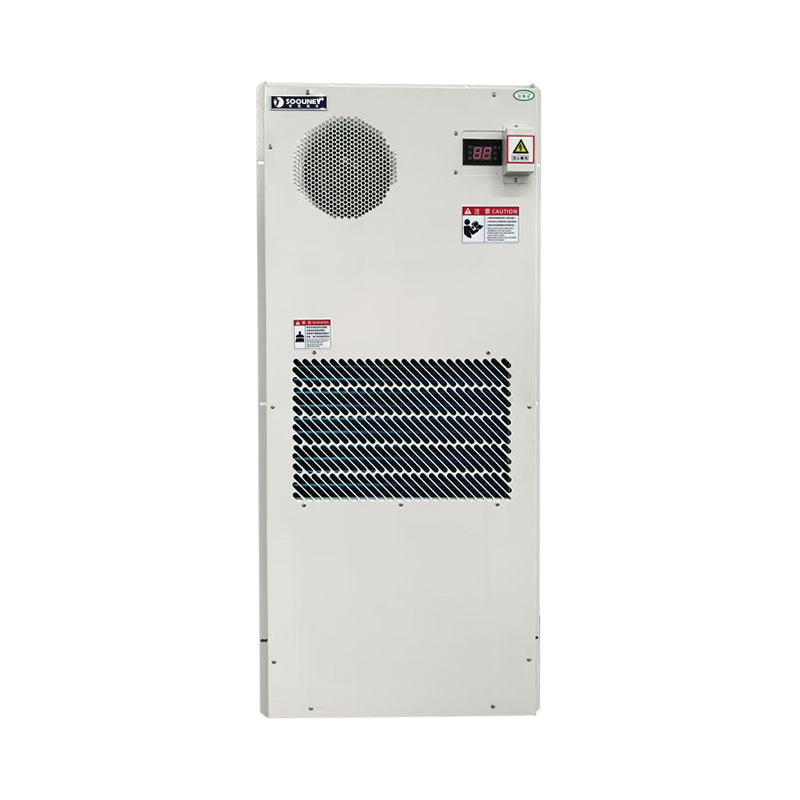
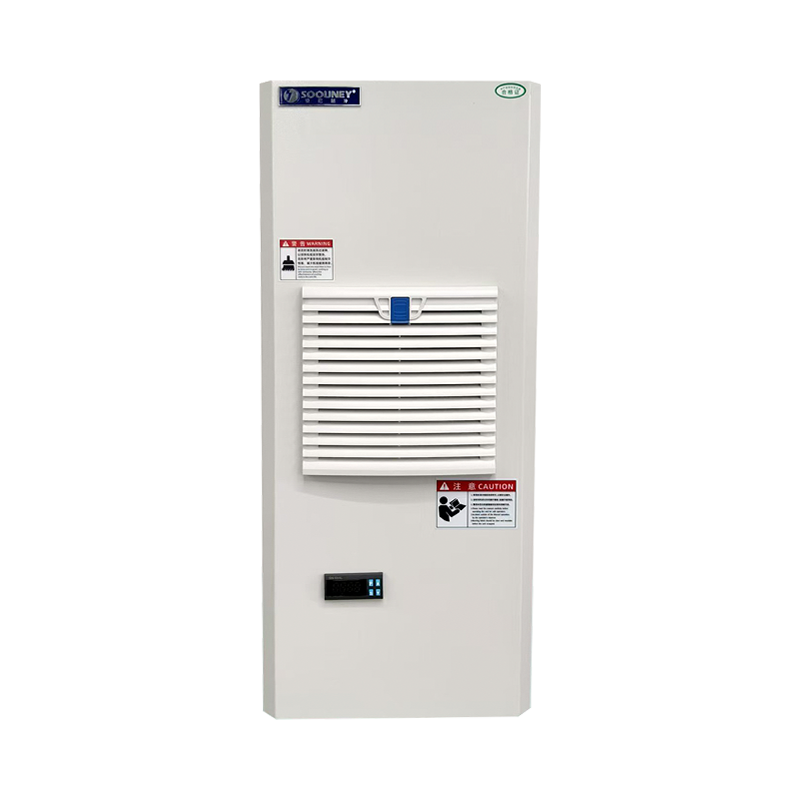
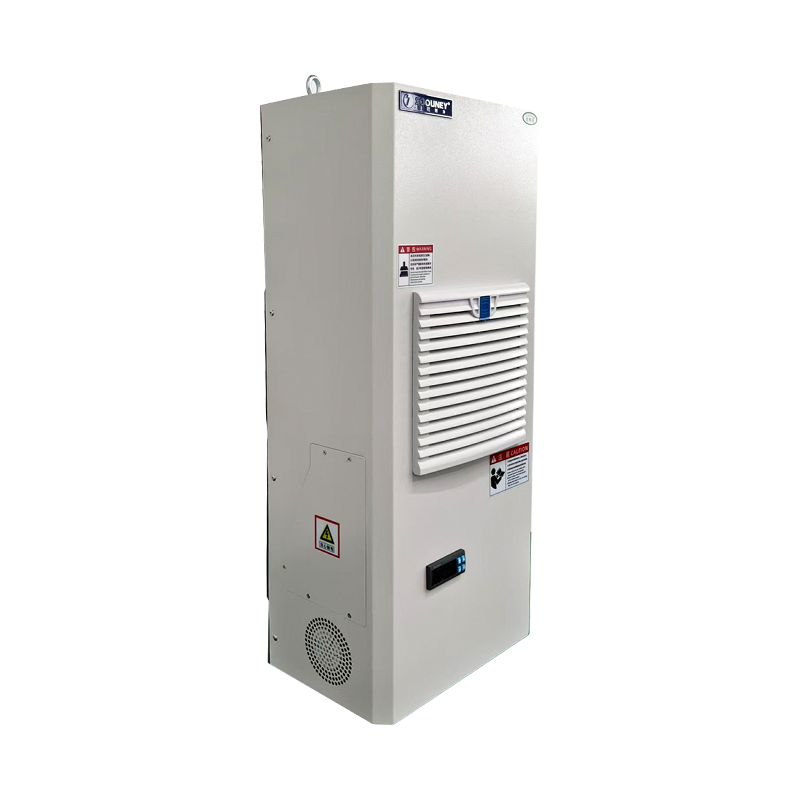
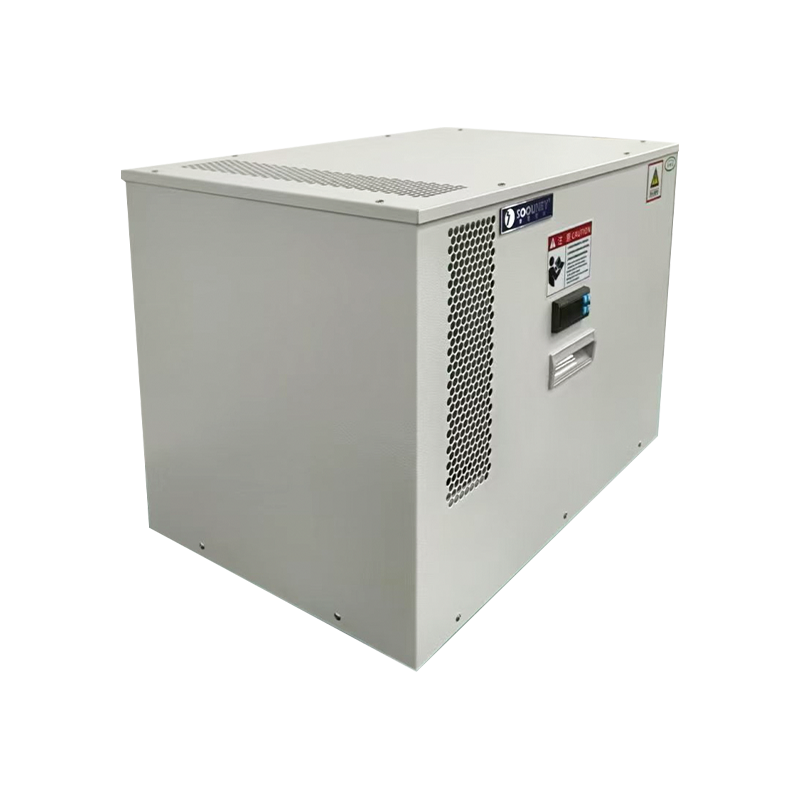
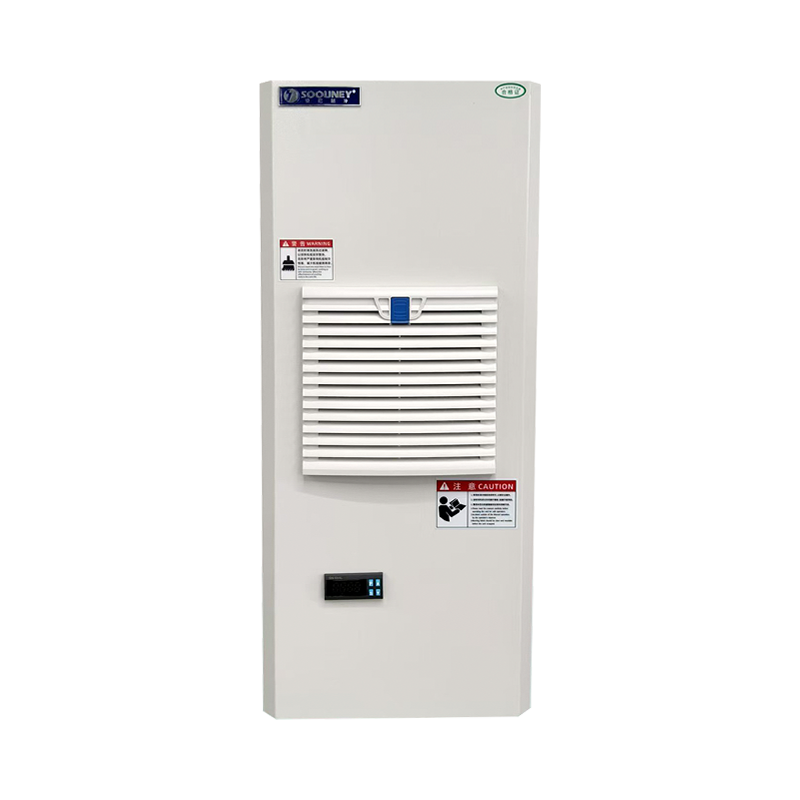
An outdoor cabinet air conditioner is a self-contained cooling unit engineered to maintain a stable internal temperature inside electrical enclosures, control panels, and industrial distribution cabinets installed in exposed outdoor environments. Unlike domestic air conditioning, these units must operate continuously in ambient temperatures from -40 to +60 degrees Celsius, withstand UV radiation, dust, rain, and corrosive atmospheres, and deliver Class A cooling precision to protect electronics that fail at temperatures above 40 degrees Celsius. This guide covers how they work, when they outperform fan cooling, how to size them correctly, and how to extend their service life through structured maintenance.
What an Outdoor Cabinet Air Conditioner Is Used For in Industrial Control Cabinets
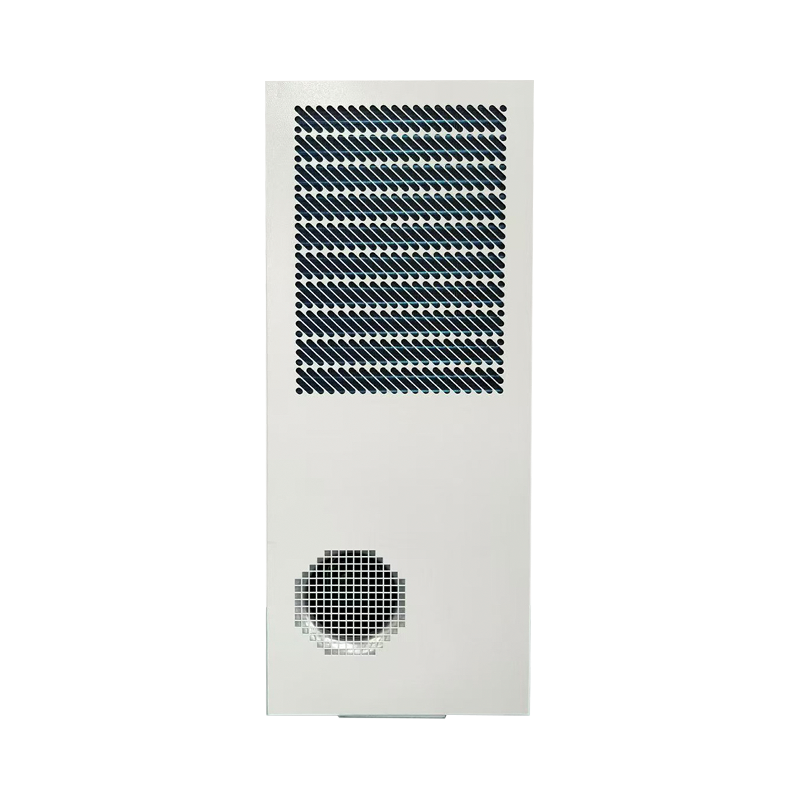
An outdoor cabinet air conditioner maintains a sealed, climate-controlled internal environment inside electrical enclosures — keeping sensitive electronics within their rated operating temperature range regardless of external heat load or ambient conditions. The unit mounts directly to the enclosure wall, with the cold-side evaporator inside the cabinet and the hot-side condenser exposed to the exterior air, transferring heat out of the enclosure without introducing contaminated outside air.
Transformer stations, switchgear panels, and medium-voltage distribution cabinets generate significant internal heat loads from conductor losses. Cabinet AC units prevent thermal runaway in components rated only to 40 degrees Celsius ambient.
Outdoor roadside cabinets housing fibre nodes, cellular base station equipment, and signal repeaters require stable internal temperatures between 20 and 35 degrees Celsius to maintain uptime SLAs and prevent premature component failure.
PLC enclosures, variable frequency drives, and servo motor controllers installed on outdoor machinery — conveyors, cranes, pumping stations — use cabinet AC to maintain control system reliability in environments where ambient temperatures regularly exceed 45 degrees Celsius.
Solar inverter enclosures and wind turbine control cabinets mounted in exposed hillside or rooftop locations routinely face solar radiation loads that push enclosure internal temperatures 20 to 30 degrees above ambient. Cabinet AC is the only viable thermal management solution at these conditions.
How Outdoor Cabinet Air Conditioners Protect Enclosures from Overheating
An outdoor cabinet air conditioner uses a sealed vapour-compression refrigeration cycle — identical in principle to commercial HVAC but engineered for continuous duty, vibration resistance, and dirty-environment operation. The key protection mechanism is thermal isolation: outside air never enters the enclosure, eliminating dust, moisture, and corrosive gas ingress that would compromise electronics independently of temperature.
An outdoor cabinet air conditioner is a sealed-cycle cooling appliance that removes heat from a closed electrical enclosure by circulating refrigerant between an internal evaporator coil and an external condenser, maintaining internal temperatures below the thermal derating threshold of installed electronics without exchanging air with the external environment.
The sealed operation also means the enclosure's IP rating is maintained. A cabinet with an IP55 or IP66 rating retains that rating in operation — a critical compliance requirement for outdoor installations in environments with rain, dust storms, or washdown procedures. Fan cooling systems that draw in outside air cannot maintain IP ratings above IP21.
Can Outdoor Cabinet Air Conditioners Operate in Extreme Weather and High Ambient Temperatures?
Yes — and this is the defining engineering advantage of industrial-grade outdoor cabinet air conditioners over standard commercial cooling equipment. Industrial models are rated for ambient operating ranges from -40 to +60 degrees Celsius, with built-in low-ambient controls that modulate compressor speed and condenser fan operation to maintain stable cooling output across the full range.
| Extreme Condition | Design Feature That Addresses It | Relevant Standard |
| Ambient temperature above 45 C | High-efficiency scroll compressor with electronic expansion valve; rated to 60 C ambient | IEC 60068-2-2 (Dry heat testing) |
| Ambient temperature below 0 C | Crankcase heater, low-ambient kit, condensate management with anti-freeze drain | IEC 60068-2-1 (Cold testing) |
| Heavy rain and water ingress | IP55 or IP56 condenser housing with downward-sloping louvres and sealed condenser coil | IEC 60529 (IP ratings) |
| Salt fog and coastal corrosion | Epoxy-coated aluminium fins, stainless steel fasteners, marine-grade housing paint | IEC 60068-2-52 (Salt mist) |
| Solar radiation load | Light-coloured or reflective housing; solar radiation derating factor applied in sizing | IEC 62040 (Thermal calculation) |
Cabinet Air Conditioner vs Fan Cooling: When Each Method Is Correct
Fan cooling and cabinet air conditioning solve different thermal problems. Choosing the wrong method results in either unnecessary cost or inadequate protection. The decision is driven by three variables: ambient temperature relative to the required internal temperature, enclosure IP rating requirement, and the presence of airborne contaminants.
- Can cool below ambient — the only method that achieves this
- Maintains IP55 to IP66 rating in operation; sealed against outside air
- Required when ambient exceeds internal target temperature
- Handles high internal heat loads from VFDs, transformers, and dense electronics
- Suitable for corrosive, dusty, or wet environments
- Higher acquisition cost; lower total cost when preventing component failures
- Can only cool to ambient temperature at best — no sub-ambient capability
- Degrades enclosure IP rating to IP21 maximum in operation
- Effective only when ambient temperature is at least 10 C below target internal temperature
- Suitable for low heat-load enclosures in clean, dry indoor environments
- Filter maintenance required every 1 to 3 months in dusty environments
- Lower acquisition cost; unsuitable for outdoor industrial applications
How to Choose the Right Capacity Outdoor Cabinet Air Conditioner for Control Panels
Correct sizing of an outdoor cabinet air conditioner requires calculating the total heat load inside the enclosure and adding a safety margin for solar radiation, ambient temperature peaks, and future equipment additions. Undersized units run continuously without achieving set point; oversized units short-cycle, reducing compressor lifespan and humidity control efficiency.
Calculate Internal Heat Dissipation (Qi)
Sum the power dissipation of all heat-generating components inside the enclosure: PLCs, drives, power supplies, contactors, and transformers. Use manufacturer heat dissipation data in watts. This is typically 30 to 60% of the total rated power of installed components.
Calculate Enclosure Surface Heat Gain (Qs)
For outdoor enclosures exposed to direct sunlight, add a solar radiation factor of 200 to 350 W/m2 of sun-facing surface area. A typical 2000 x 800 x 600mm outdoor cabinet can receive 300 to 500W of solar heat gain on a clear summer day, which must be included in the total load calculation.
Determine Required Cooling Capacity (Qc)
Qc = Qi + Qs, expressed in watts. Select a unit with a rated cooling capacity at the maximum expected ambient temperature that exceeds Qc by 20 to 30%. AC unit datasheets state cooling capacity at a specific ambient temperature (typically 35 C or 45 C) — always verify the rated capacity at your actual maximum ambient condition, not the nominal rating.
Verify Mounting Space and Electrical Supply
Confirm that the enclosure door or side panel has sufficient surface area and structural rigidity for the selected unit's cutout dimensions and weight. Check that the available power supply voltage, phase, and frequency matches the unit specification — industrial cabinet AC units are available in 115V/60Hz, 230V/50Hz, and 460V/60Hz three-phase configurations.
How to Maintain Outdoor Cabinet Air Conditioners for Long-Term Reliability
An outdoor cabinet air conditioner installed and maintained correctly will achieve a service life of 10 to 15 years. The four maintenance areas that determine long-term reliability are condenser coil cleanliness, condensate drain function, refrigerant charge integrity, and electrical connection integrity — all are straightforward to inspect on a structured quarterly and annual schedule.
| Maintenance Task | Interval | Method | Failure Risk If Neglected |
| Clean condenser coil fins | Quarterly | Compressed air or fin comb; coil cleaner spray for heavy fouling | Reduced cooling capacity; compressor high-pressure trip and failure |
| Inspect and clear condensate drain | Monthly (wet seasons) | Visual check; flush with water; verify drain pan is clear | Condensate overflow into cabinet; moisture damage to electronics |
| Check refrigerant charge | Annually | Certified technician with manifold gauge set; verify suction pressure matches refrigerant curve | Low charge causes compressor overheating and bearing failure |
| Inspect door and housing seals | Bi-annually | Visual and tactile check of gaskets; replace if cracked or compressed | Conditioned air bypass; reduced cooling efficiency; moisture ingress |
| Tighten electrical terminals | Annually | Torque to specification with calibrated torque screwdriver; inspect for corrosion | Loose terminals cause arcing, motor winding damage, and unit shutdown |
| Test thermostat and safety controls | Annually | Verify set point response, high-pressure cutout, and low-temperature cutout function | Undetected control failure causes sustained overtemperature inside enclosure |