
 English
 Español
Content
- 1 A Straight Answer: 15 to 20 Years with the Right Care
- 2 What Determines How Long an Air Cooled Chiller Lasts
- 3 Expected Service Life by Component
- 4 Maintenance Practices That Extend Chiller Service Life
- 5 When to Repair and When to Replace
- 6 Choosing an Air Cooled Chiller Built for a Long Service Life
- 7 Plan for a 15-to-20-Year Asset
A Straight Answer: 15 to 20 Years with the Right Care
An air cooled industrial chiller that is correctly sized, installed with proper airflow, and maintained on a regular schedule will typically last 15 to 20 years. Some units retire before the ten-year mark because they are oversized, starved of air, or ignored after installation. Others remain in production past 25 years after a compressor rebuild and routine component replacement. The wide range is not a coincidence; it tracks a few specific engineering and operating choices.
Most of the time, the compressor is treated as the heart of the chiller, and it is the main life-limiting component. Yet the compressor is rarely the first part to fail. Condenser coils, fan motors, capacitors, and electrical contactors wear out sooner. Their condition tells you more about the actual health of the machine than the age of the unit alone.
This matters for capital planning. Replacing an industrial chiller is not just a purchase; it involves piping, electrical work, rigging, and production downtime. A realistic service-life estimate, and the knowledge of what shortens it, allows a plant team to schedule maintenance budgets, set replacement reserves, and avoid emergency purchases.
What Determines How Long an Air Cooled Chiller Lasts
Four factors set the practical lifespan of an air cooled chiller. They interact, and a weakness in one area can drag down the others.
Compressor Duty and Load Profile
Scroll compressors, common in packaged air cooled chillers, are typically rated for 40,000 to 60,000 hours of operation. Screw compressors, found on larger chillers, can often run 60,000 hours or more before a rebuild is required. Running hours alone, however, tell only part of the story.
A compressor that starts and stops frequently while cycling under partial load sees more thermal and mechanical stress than one running steadily near its design point. Every start-up causes the refrigerant circuit to change state and the motor windings to heat and cool. A machine that short-cycles because it is oversized can therefore wear out faster than a smaller unit running 24 hours a day.
Ambient Conditions and Installation Quality
Because air cooled chillers reject heat directly to the outside air, the installation environment directly affects component life. A unit squeezed into an enclosure where its hot discharge air recirculates back to the condenser will run with elevated condensing pressures. Higher discharge pressure means the compressor works harder, draws more current, and runs hotter.
Dirt, debris, salt, and process dust also take a toll. Coils installed next to a factory exhaust stack, in a coastal plant, or near a grain dryer collect contaminants quickly. Without regular cleaning, condensing temperature climbs, efficiency drops, and the compressor absorbs the penalty.
Maintenance Discipline
This is the single most controllable factor. A chiller with scheduled maintenance—coil cleaning, refrigerant charge verification, contactor inspection, vibration monitoring—can comfortably exceed its design life. The same model left unattended for a few years will lose capacity, develop leaks, and often fail with a locked compressor.
Build Quality and Component Selection
The parts chosen at the factory define the upper limit of what maintenance can achieve. Microchannel and copper-tube coils differ in corrosion resistance. Industrial-grade controls outlast basic relay panels. A manufacturer that matches components rather than assembling the lowest-cost bill of materials gives the end user a measurable advantage in service life. This is why factory verification of complete systems matters as much as the brand of the compressor.
Expected Service Life by Component
A practical way to estimate the overall life of an air cooled chiller is to break it into components. The table below shows typical service intervals under normal operating conditions.
| Component | Typical service life | What shortens it |
|---|---|---|
| Scroll compressor | 10–15 years or 40,000–60,000 hours | Frequent cycling, liquid floodback, incorrect charge |
| Screw compressor | 15–20 years before rebuild | Contaminated oil, overheating, low oil pressure |
| Condenser coils | 10–15 years | Corrosive air, dirt buildup, restricted airflow |
| Fan motors and bearings | 8–12 years | High ambient temperature, voltage imbalance, capacitor failure |
| Electrical controls and contactors | 10–15 years | Power surges, dust, condensation |
| Refrigerant circuit, hoses, and valves | 12–18 years | Vibration, poor brazing, moisture in the system |
These figures assume clean power, a reasonable ambient temperature range, and routine service. If a plant ignores a failed capacitor or a clogged condenser, the compressor is frequently the component that dies before its rated hours are used.
Maintenance Practices That Extend Chiller Service Life
Most premature failures trace back to a small number of preventable causes. The following routine addresses each one.
- Clean condenser coils at least twice per year; increase frequency to quarterly in dusty, oily, or coastal environments.
- Check and log superheat, subcooling, and discharge temperature monthly to identify refrigerant problems before they damage the compressor.
- Test capacitors and contactors annually, and replace them preventively rather than waiting for failure.
- Keep the electrical panel gasketed and closed, and use an annual thermographic scan to catch loose or hot connections.
- Change oil, oil filters, and refrigerant driers on screw compressors according to the manufacturer's interval.
- Monitor fan motor vibration, belt condition, and bearing temperature every quarter.
- Treat the chilled water loop with proper filtration, flow control, and water treatment to protect the evaporator and keep the whole system efficient.
A simple trend log multiplies the value of these steps. Recording pressures, temperatures, amp draw, and flow rate each month creates a baseline; when a value drifts, the plant team sees it early. A 10 percent rise in condensing temperature over six months does not look like an emergency, but it is the early sign of condenser fouling or a developing refrigerant shortage.
When to Repair and When to Replace
Repair is usually the right decision when the chiller is younger than 12 to 15 years, the compressor is not damaged, and the coils and controls are in average condition. Replacement makes more sense when the compressor has failed, the condenser coils are corroded, and control components are obsolete.
Three signs point strongly toward replacement:
- A compressor winding failure on a unit whose coils are already leaking—combining repair and coil replacement can easily exceed half the price of a new machine.
- Obsolete controls that are difficult to source, which turn a simple fault into weeks of downtime.
- Annual maintenance costs above roughly 30 to 40 percent of the cost of a comparable new chiller, with no major component having been recently rebuilt.
A compressor rebuild on a healthy screw chiller is often worth doing, because the rest of the machine may carry on for another decade. On a scroll-based packaged unit, a failed compressor is usually the trigger for a full replacement decision rather than a repair.
Choosing an Air Cooled Chiller Built for a Long Service Life
Expected life is largely determined before installation. Sizing, configuration choice, and maintainability are all selection-stage decisions, and each one influences how many years the machine will contribute.
Match Capacity to the Real Load Profile
An oversized chiller short-cycles, wears its starter and compressor, and never achieves stable operation. A properly matched unit maintains steady chilled-water temperatures and lets the compressor operate in its efficient range. This is where our guide on choosing industrial chiller units for different cooling duties helps: it explains how to translate process heat load, flow rate, and ambient design conditions into a defensible chiller selection instead of a guess.
Select the Configuration That Matches the Duty
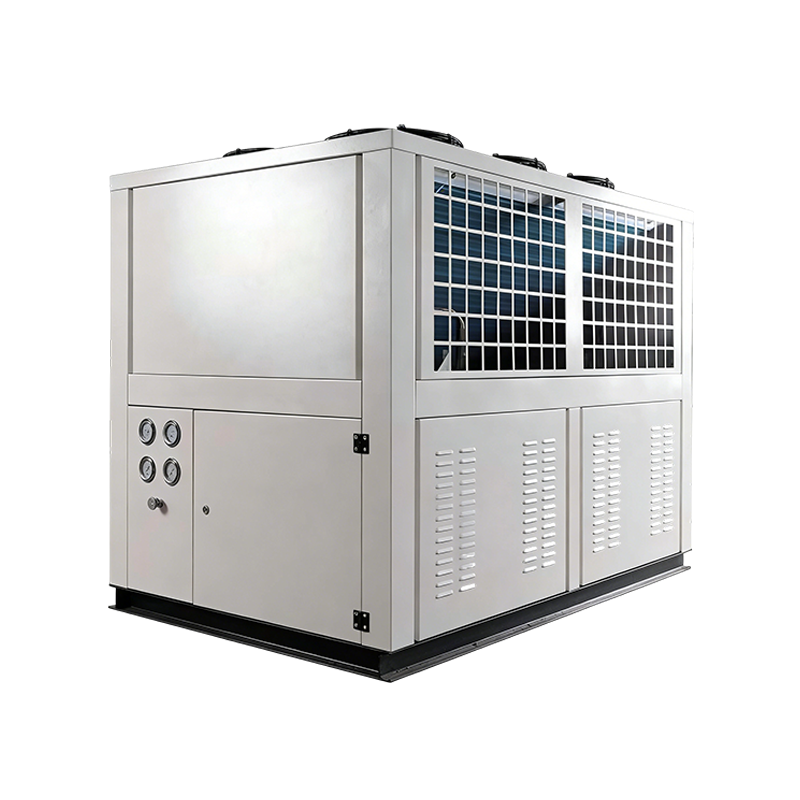
For a compact, self-contained installation, an ambient temperature cryogenic air cooled box chiller is a practical route to dependable process cooling in a single package. The term "cryogenic" in the product name identifies its capability to supply chilled water well below standard comfort-cooling temperatures.
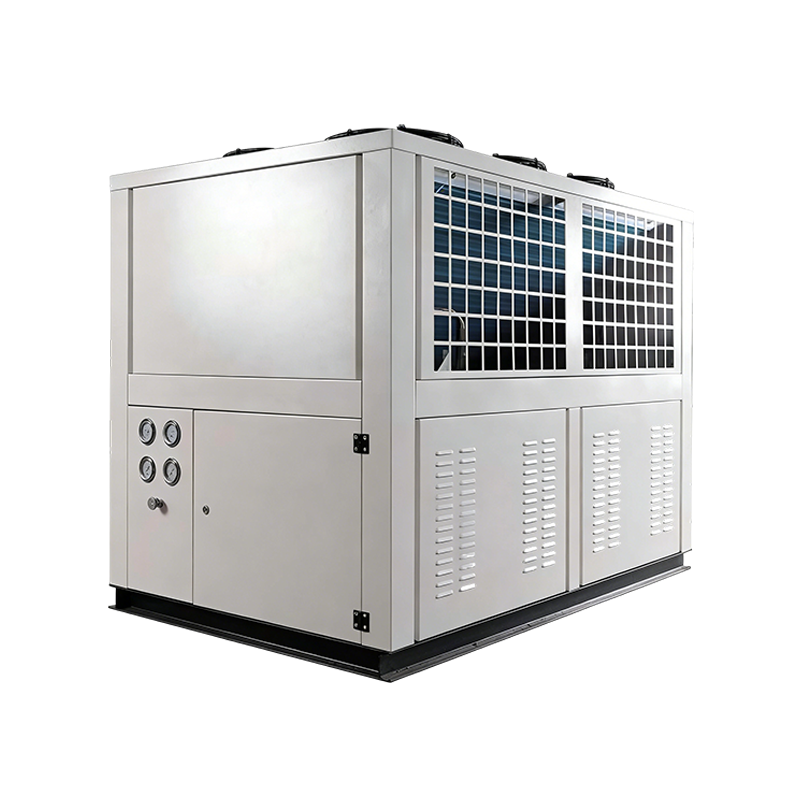 Wholesale Ambient Temperature Cryogenic Air Cooled Box Chiller Suppliers, CompanShanghai Soouney Refrigeration Equipment Co., Ltd. Is China Wholesale Ambient Temperature Cryogenic Air Cooled Box Chiller Suppliers, Com...View Product →
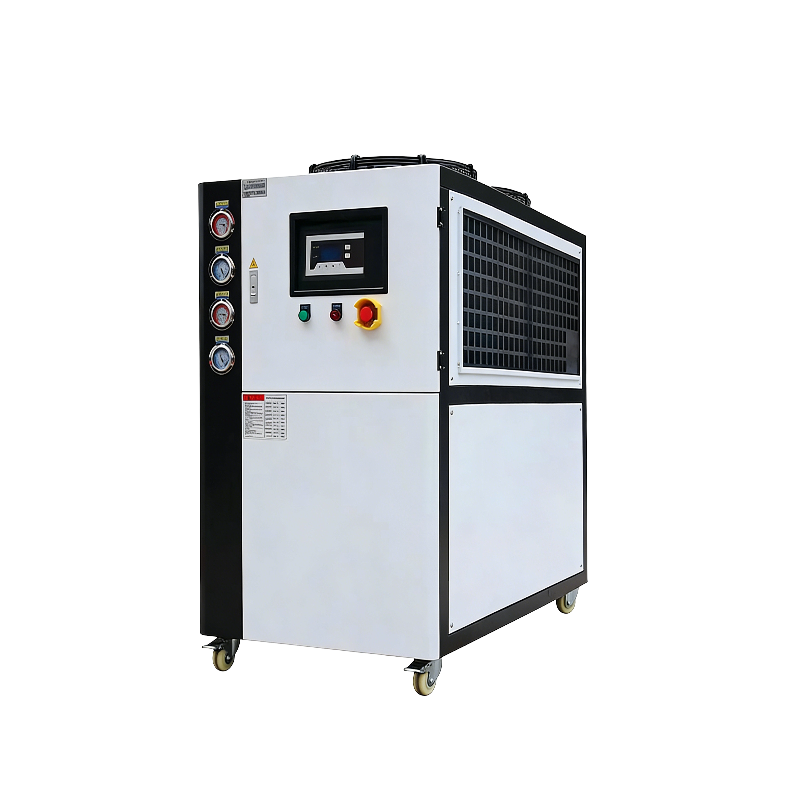
When the process fluid must be held at reduced temperatures, an ambient temperature cryogenic air cooled chiller is engineered with refrigerant circuit details, component margins, and insulation considerations that differ from a conventional comfort unit. Those differences, not the brand label, determine whether the compressor survives its first five summers.
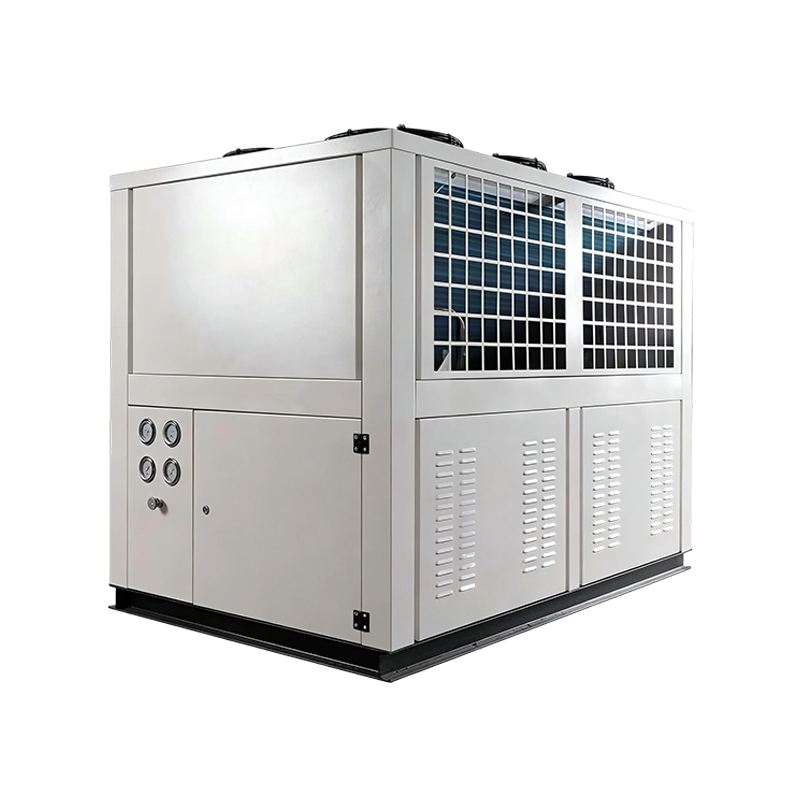 Wholesale Ambient Temperature Cryogenic Air Cooled Chiller Suppliers, Company, EShanghai Soouney Refrigeration Equipment Co., Ltd. Is China Wholesale Ambient Temperature Cryogenic Air Cooled Chiller Suppliers, Company...View Product →
Plan for Maintainability and Redundancy
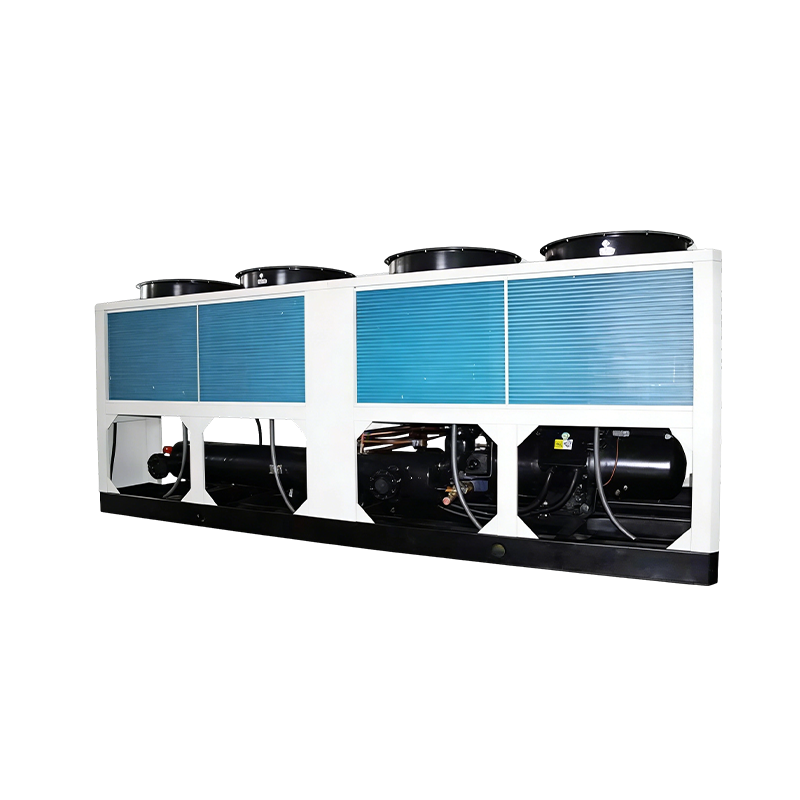
Access panels, coil layout, and service clearance all affect real-world maintenance. A machine that is awkward to service will be serviced less often. For larger continuous loads, an air cooled screw chiller built for heat-cryogenic duty with single or double compressors offers an operational advantage: the second compressor can maintain a reduced load while the first one is serviced, which protects both uptime and the condition of the machine.
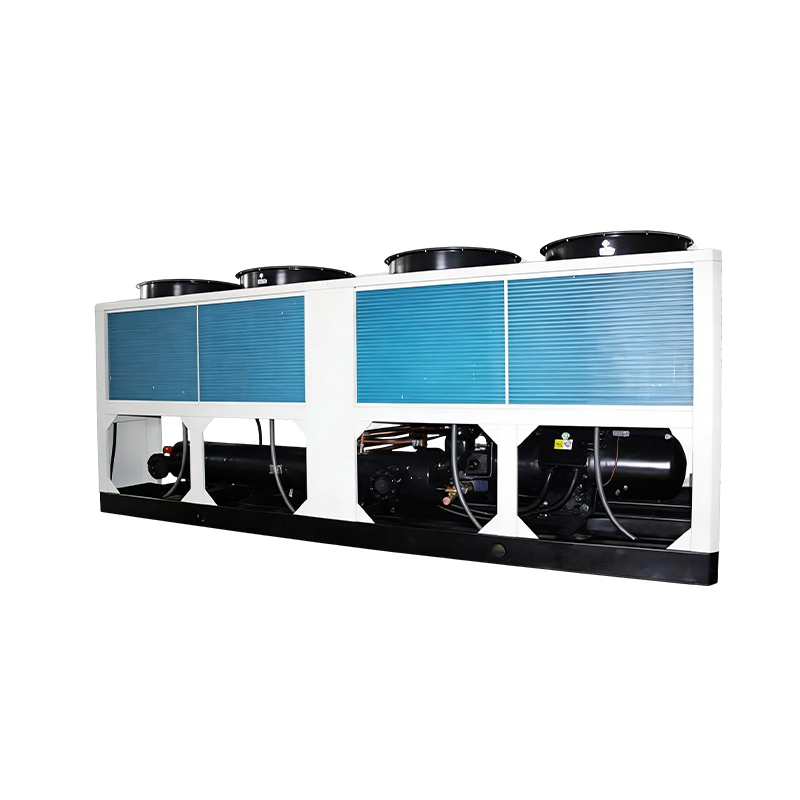 Wholesale Heat Cryogenic Single Compressor Double Compressors Air Cooled Screw CShanghai Soouney Refrigeration Equipment Co., Ltd. Is China Wholesale Heat Cryogenic Single Compressor Double Compressors Air Cooled Scre...View Product →
For very large plant scales, the technology decision extends beyond compressor style. The air cooled screw chiller versus centrifugal chiller comparison is worth reading before committing to an architecture, because the two solutions have very different lifecycle economics.
Plan for a 15-to-20-Year Asset
An air cooled industrial chiller should be treated as a 15-to-20-year asset, with the understanding that this assumes proper sizing, reasonable ambient conditions, and a consistent maintenance routine. The machines that pass the 25-year mark are rarely lucky; they are usually units that were matched to their load, installed with room to breathe, and serviced on a schedule.
Ask about repair and spare-part policies before you buy, and check whether the factory supports the machine with documentation and application advice. That kind of support turns a good selection into a long service life.