
 English
 Español
Content
On a 36°C summer afternoon, a 3°C drift in mold temperature can push an injection molding line past its reject threshold in less than an hour. Air cooled industrial chillers exist to prevent exactly that kind of loss: they extract heat from molds, hydraulic circuits, laser optics, and reaction vessels, then reject it to ambient air without a cooling tower, makeup water line, or separate condenser loop.
Manufacturing engineers responsible for process temperature control face a recurring challenge: the same production line often runs different products with different heat loads, while outdoor ambient temperature swings through the day. An air cooled industrial chiller absorbs that variable duty in a single self-contained refrigeration package, which is why it remains the dominant configuration for process cooling in the 5 to 500 kW range.
An air cooled industrial chiller is a vapor-compression refrigeration system that cools a process fluid and rejects the recovered heat directly to ambient air through finned condenser coils and axial fans. It delivers a continuous supply of chilled water or glycol at a controlled setpoint while remaining independent of dedicated cooling-water infrastructure.
Why Manufacturing Plants Choose Air-Cooled Chillers
Air cooled industrial chillers are the default choice for manufacturing plants because they deliver reliable process cooling in a self-contained package while eliminating the capital cost and water management burden of cooling-tower systems.
Air-cooled units condense against ambient air, so they need no cooling tower, no water treatment chemicals, and no condenser-water pump. The chiller sits directly on the plant floor, on a steel frame outside, or on a roof, and ties into the process loop with two hose connections. That simplicity explains their popularity in plastics, food and beverage, laser, welding, and machining applications.
- No cooling tower, no evaporation losses, no blowdown or drift
- Lower installation cost because piping is limited to the process loop
- Multi-stage fans and multiple compressors match part-load operation
- Capacity derates as ambient temperature rises, so hot-climate sites need oversizing
- Full-load COP typically 2.8 to 4.2 depending on compressor type
- Higher condensing pressure on hot days
- Maintenance limited to coil cleaning and fan checks
- Best fit for small to medium plants without a central water system
- COP often 0.8 to 1.5 points higher through cooler condenser water
- Requires cooling tower, pumps, water treatment, and chemical dosing
- Better economics above roughly 300 kW with an existing tower
- More components to service, plus legionella management duties
Core Sizing Criteria for Process Cooling
Sizing an air cooled industrial chiller starts with the measured process heat load and the required leaving fluid temperature; pump flow, condenser size, and refrigerant charge all follow from those two numbers.
Most plants derive the load from one of three sources: an existing flow meter and temperature sensors, heat-load data from the machine builder, or a direct test on the process fluid. The governing equation is Q(kW) = flow (L/min) x delta T (°C) x 4.18 / 60.
Heat Load Calculation Steps
- Record the returning and leaving fluid temperature at full production load.
- Measure the flow rate at the same operating point with the pump in normal service.
- Calculate the heat load using the mixing equation above.
- Add a 10 to 25 percent safety factor for future line extensions.
- Correct the nominal selection for the local design ambient temperature.
Design Ambient and Fluid Selection
Nominal capacity of an air-cooled chiller is rated at a fixed ambient, usually 35°C. A plant in a 40°C region must derate the selection by roughly 8 to 12 percent, or the unit rides on high-pressure protection at the worst point of summer. Fluid selection matters just as much: plain water works from 5°C up, while water-glycol mixtures are mandatory when leaving temperatures fall below 5°C.
| Parameter | Typical range | Why it matters |
| Leaving fluid temperature | 7–15°C process; 20–25°C hydraulics | Sets compressor selection, evaporator sizing, and fluid choice |
| Design ambient temperature | 35°C nominal; use local summer peak | Determines condenser sizing and capacity derate |
| Loop flow rate and delta T | 80–200 L/min at 5°C delta T | Defines pump duty and evaporator heat exchange |
| Process heat load | 10–200 kW typical for box and screw units | Starting point for model selection and safety factor |
| Fluid composition | Water or water-glycol | Glycol required below 5°C leaving setpoint |
Efficiency, Part-Load Behavior, and Operating Cost
Operating cost is decided before the chiller is installed: compressor type, condenser design, and part-load control strategy fix the efficiency envelope for the next ten to fifteen years.
Full-load COP is only the start. Manufacturing loads rarely run at 100 percent continuously, so staging and control quality often matter more than the nameplate rating. The chart below shows representative full-load COP values at 35°C ambient for common air-cooled configurations.
Four design choices drive real-world efficiency on a manufacturing line:
- Multi-stage fans reduce condenser power whenever ambient drops
- Multiple compressors improve matching during partial loads
- Larger condenser surface lowers head pressure and compressor lift
- Electronic expansion valves hold stable superheat under flow changes
For a structured comparison across air-cooled, water-cooled, and specialized machine types, read the guide on how to choose industrial chiller units for different industrial cooling applications.
Choosing the Right Air-Cooled Configuration
The right configuration matches compressor layout, packaging, and pump integration to the load band, available floor space, and process temperature requirement.
Box Chillers for Small and Medium Loads
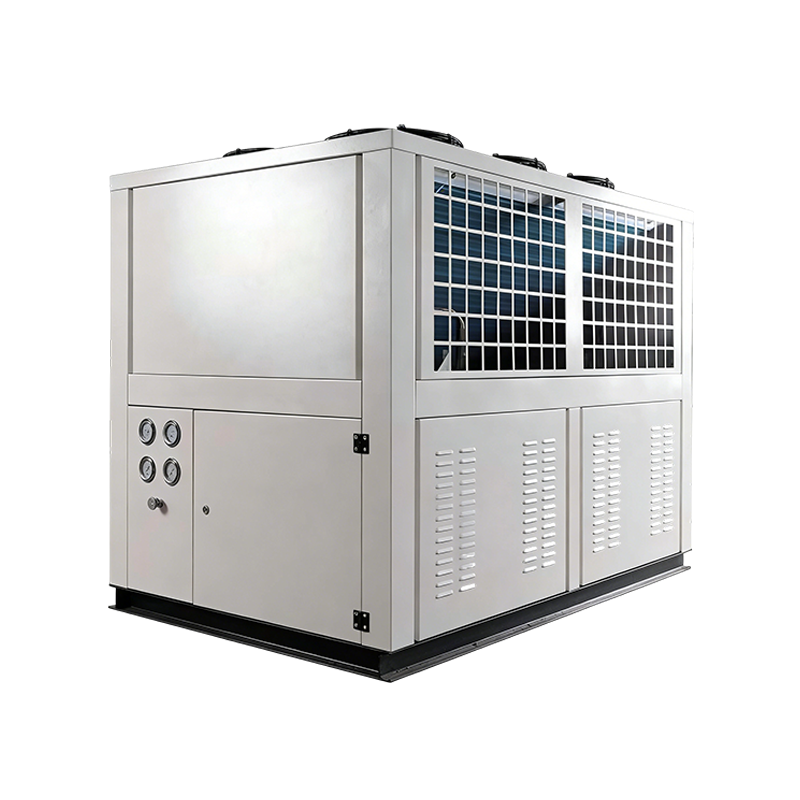
Box chillers cover roughly 5 to 80 kW and integrate the tank, pump, and controller in one cabinet. They suit plastics machinery, laser sources, and test stands where floor space is tight. Shanghai Soouney Refrigeration Equipment Co., Ltd. builds an ambient-temperature cryogenic air-cooled box chiller for process setpoints that need to go below standard water temperatures.
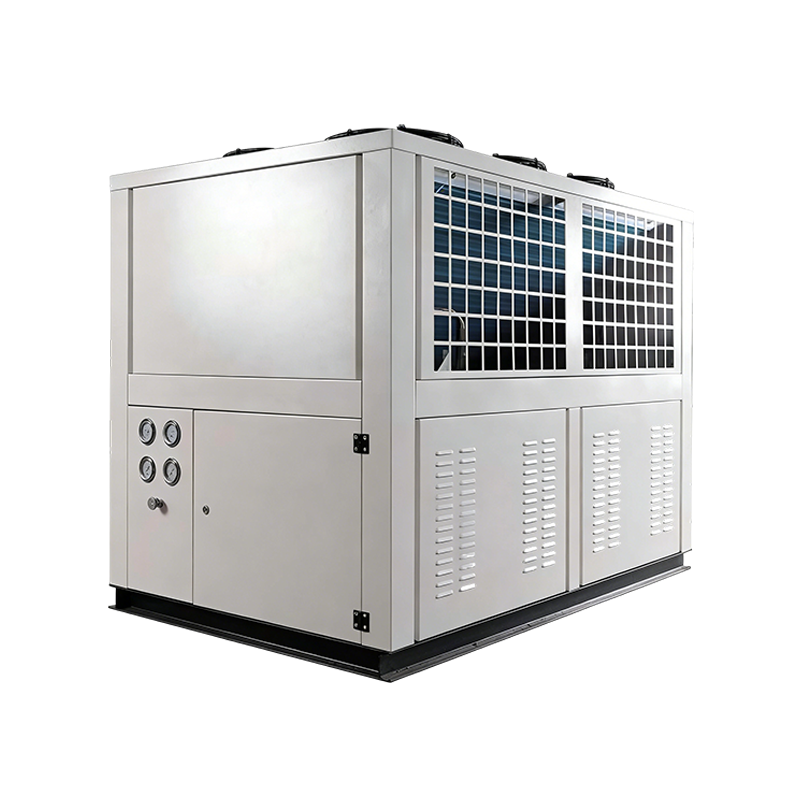 Wholesale Ambient Temperature Cryogenic Air Cooled Box Chiller Suppliers, CompanShanghai Soouney Refrigeration Equipment Co., Ltd. Is China Wholesale Ambient Temperature Cryogenic Air Cooled Box Chiller Suppliers, Com...View Product →
Screw Chillers for High and Variable Loads
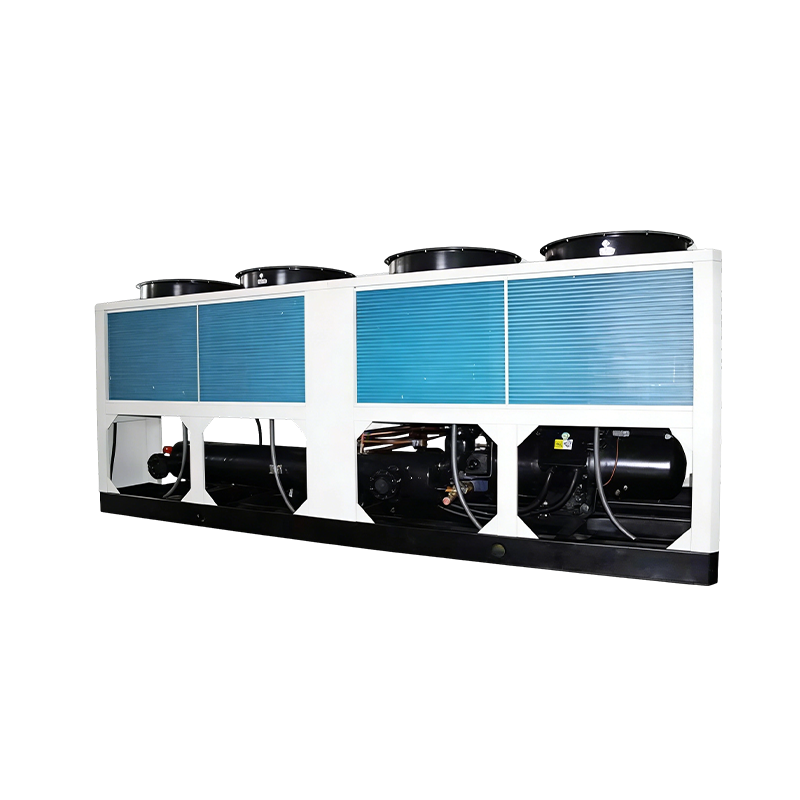
Above 80 to 100 kW, screw compressors provide better part-load efficiency and longer service life under continuous duty. They are the standard choice for pet-food extrusion, large injection plants, and central cooling loops. The air-cooled screw chiller with single or double compressor configuration gives plants a reliable path when the load profile varies across shifts.
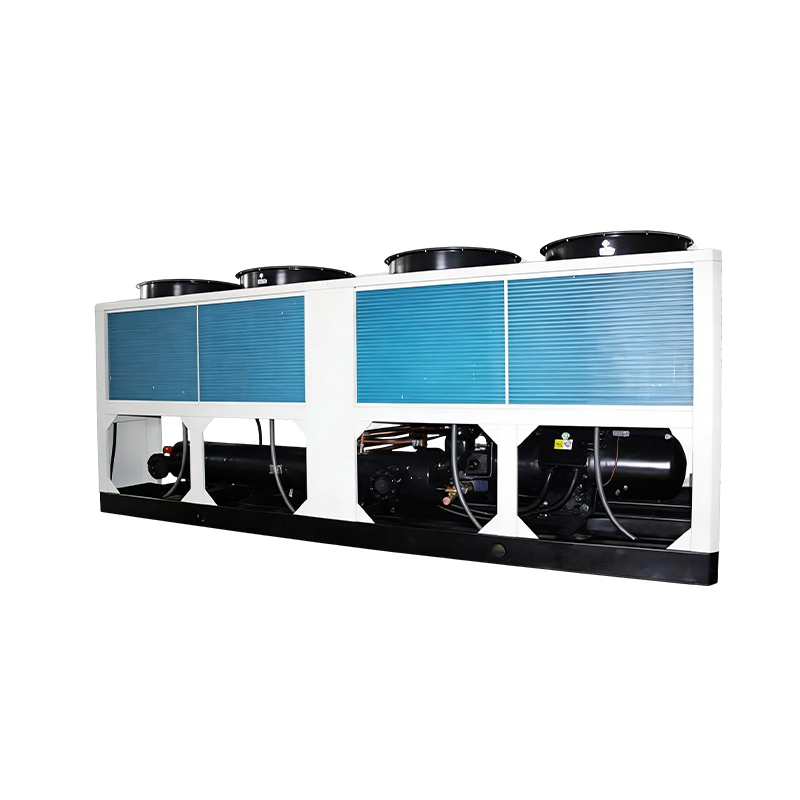 Wholesale Heat Cryogenic Single Compressor Double Compressors Air Cooled Screw CShanghai Soouney Refrigeration Equipment Co., Ltd. Is China Wholesale Heat Cryogenic Single Compressor Double Compressors Air Cooled Scre...View Product →
Integrated Chillers for Space-Constrained Lines
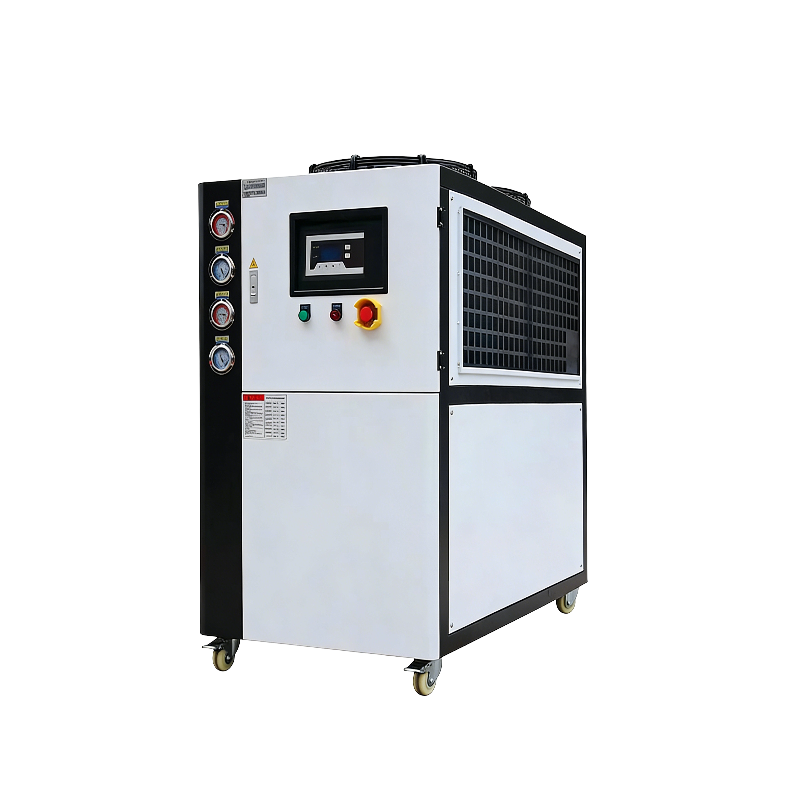
When a line is already crowded, an integrated design bundles chiller, circulation pump, expansion tank, and controls into a compact frame. Soouney's integrated package is specified as a small-size, low-noise, long-service-time integrated chiller, which fits beside the machine tool rather than in a separate plant room.
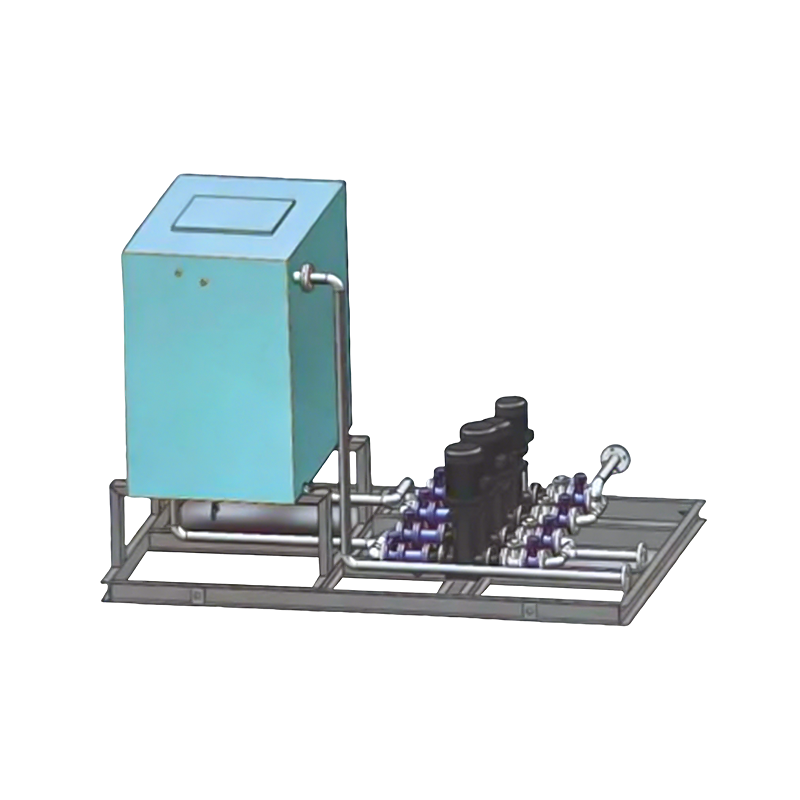 Wholesale Small Size Low Noise Long Service Time Easy Operation Integrated ChillShanghai Soouney Refrigeration Equipment Co., Ltd. Is China Wholesale Small Size Low Noise Long Service Time Easy Operation Integrated Ch...View Product →
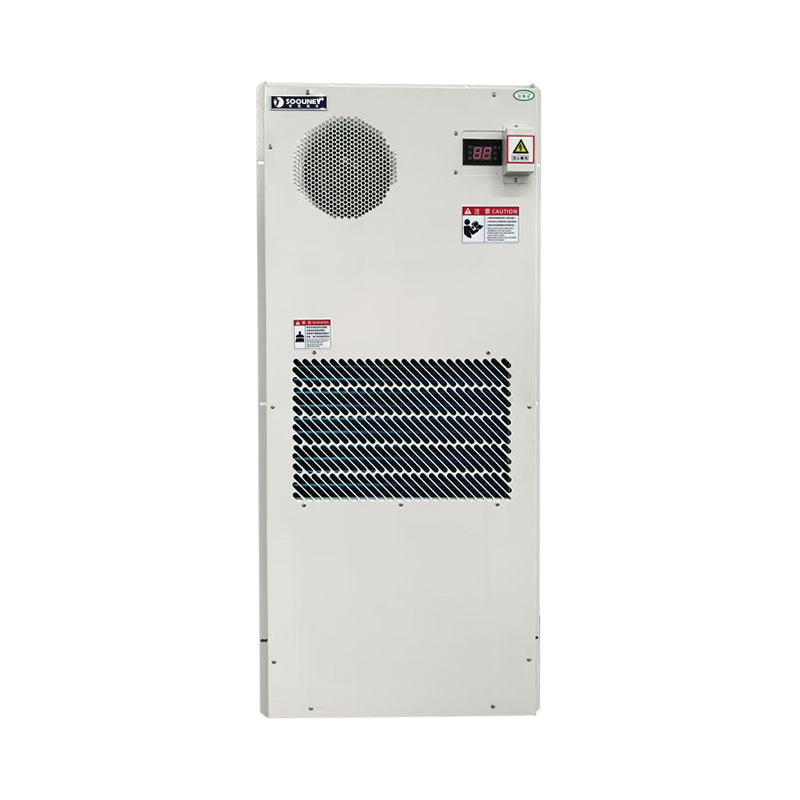
The company's engineering team sizes tank volume, pump head, and control logic around the process duty rather than a generic catalog rating, and its air-cooled chiller product range covers each of the configurations described above.
- Load band and future expansion margin above the current duty
- Available footprint and service clearance on all four sides
- Required leaving temperature and the fluid selected for it
- Noise limits near operator workstations
- Ambient temperature extremes at the installation site
Installation, Ambient Limits, and Maintenance
Installation decisions, including condenser airflow, pump placement, and unit isolation, determine whether a chiller holds its setpoint within tolerance through a production summer.
Air-cooled condensers exchange heat with whatever air is available. Recirculating hot discharge air is the most common field error, and it quietly erodes capacity on a warm day. Maintain clearance, protect the inlet from prevailing dust, and verify airflow direction before final positioning.
- Keep at least 1.5 m of clear space in front of the condenser air inlet
- Prevent hot exhausted air from being drawn back into the unit
- Specify low-ambient control where winter hours fall below 10°C
- Mount on anti-vibration pads when the chiller sits near process areas
- Plan coil cleaning access for plants with dust or fiber load
For large plants weighing screw machines against centrifugal alternatives, the air-cooled screw chiller versus centrifugal chiller guide covers load boundaries and efficiency trade-offs at scale.
Frequently Asked Questions
How do I size an air cooled industrial chiller for my process?
Measure returning and leaving water temperature plus flow at full production load, apply Q(kW) = flow x delta T x 4.18 / 60, add a 10 to 25 percent safety factor, then correct for local design ambient. For a 400 L/min loop at 5°C delta T, the duty is about 139 kW.
Can an air cooled industrial chiller work in high ambient temperatures?
Yes, when selected for the site condition. Standard ratings assume 35°C ambient; for 40 to 45°C regions, size the unit 8 to 15 percent larger or specify a high-ambient version with additional condenser surface.
What process temperatures can an air cooled industrial chiller supply?
Standard packages deliver leaving fluid temperatures from 5°C to 30°C using water or water-glycol mixtures. Cryogenic air-cooled box and screw variants extend the envelope to lower setpoints for demanding process and machine-tool duty.
How much water does an air cooled industrial chiller use?
The refrigeration circuit uses effectively zero water. The closed process loop only needs occasional makeup for sampling and minor leaks, so eliminating the cooling tower removes evaporation, drift, and blowdown losses from the plant water balance.